Have you ever washed your face, applied your moisturizer, and still felt like your skin was tight and uncomfortable? I have had moments like this where I assumed my skin was simply dry. However, that is not always the case. Sometimes, the problem is actually dehydration. Understanding dry skin vs dehydrated skin can help you figure out what your skin really needs.
The two can look almost the same, but they are not the same thing.
Dry skin is usually a skin type. Dehydrated skin is a temporary skin condition. One is mainly about a lack of oil, while the other is about a lack of water.
The confusing part is that you can have both at the same time.
So, how can you tell which one you have? Let’s break it down.
What Is Dry Skin?
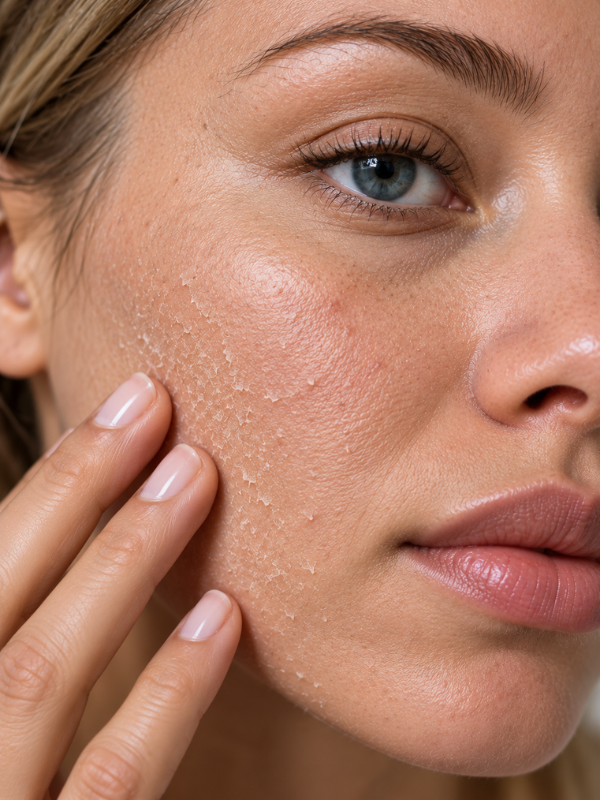
Dry skin is usually considered a skin type. It means your skin does not produce as much natural oil, or sebum, as it needs to keep the surface soft and comfortable.
Some people naturally have dry skin. Genetics can play a role. Age can also make the skin drier because oil production tends to change over time.
You may notice that your skin feels dry most of the year. It may also become worse during cold weather or when you spend a lot of time indoors with the heat running.
Dry skin does not always mean your skin is unhealthy. It simply means your skin needs more support to maintain its natural moisture and protective barrier.
What Does Dry Skin Look and Feel Like?
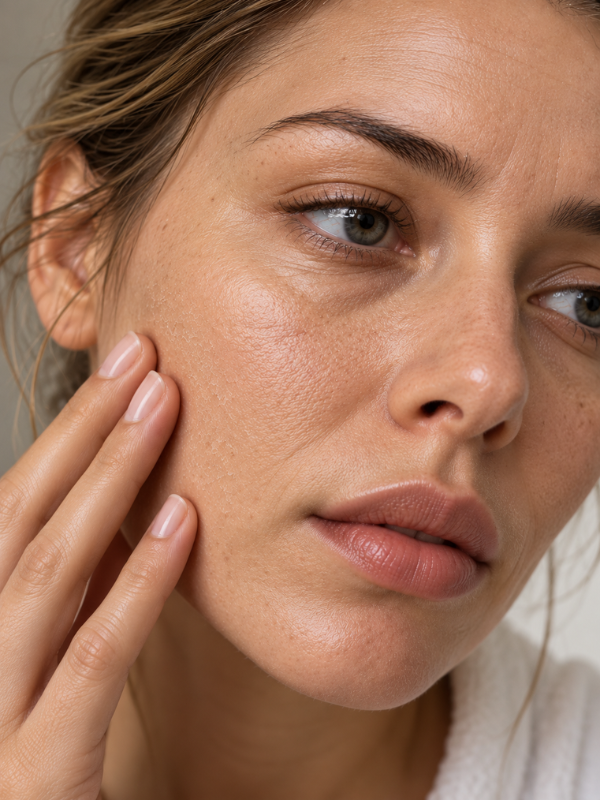
Dry skin can be easy to recognize once you know what to look for.
Common signs include:
- Rough or uneven texture
- Flaking
- Dry patches
- Tightness
- Little natural shine
- Makeup clinging to certain areas
- Skin that feels uncomfortable after cleansing
- Fine lines that appear more noticeable
One thing I have learned about skincare is that tightness after cleansing should not automatically be ignored. If your face constantly feels stripped after washing, your cleanser or routine may be doing more than you need.
What Is Dehydrated Skin?
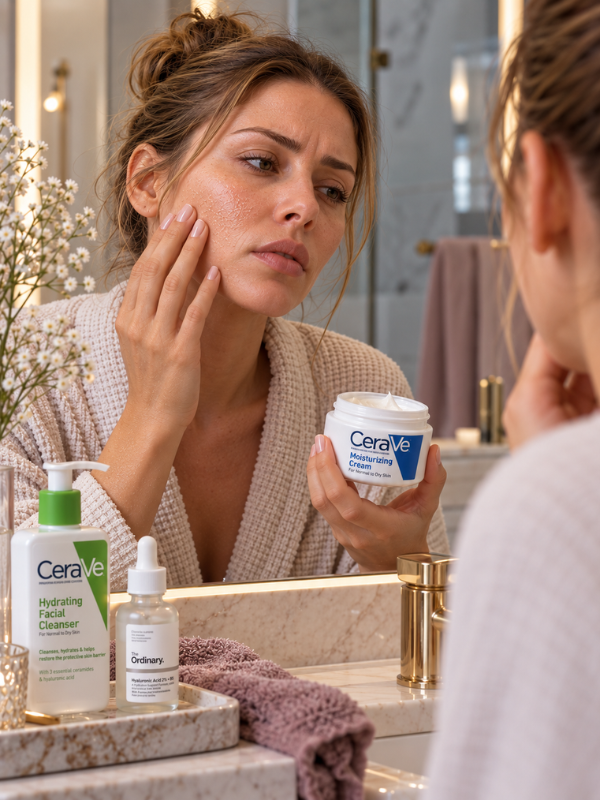
Dehydrated skin is different.
Instead of lacking oil, dehydrated skin lacks water.
The important thing to remember is that dehydration can happen to any skin type. This includes oily, combination, normal, and dry skin.
This is where things can get confusing.
For example, you could have an oily forehead but still feel tightness around your cheeks. Your skin may look shiny but feel uncomfortable. That does not necessarily mean you have oily skin that needs to be dried out.
Your skin could be dehydrated.
Dehydration can happen for many reasons. Weather, indoor heating, air conditioning, hot showers, over-cleansing, and using too many strong skincare products can all contribute.
What Does Dehydrated Skin Look and Feel Like?
Dehydrated skin may have some of the same signs as dry skin.
You may notice:
- Tightness
- Dullness
- Rough texture
- Fine lines looking more visible
- Less plump-looking skin
- Makeup looking patchy
- Increased sensitivity
- Skin feeling tight even when it looks oily
Sometimes, the biggest clue is how quickly your skin changes.
If your skin normally feels fine but suddenly becomes tight, dull, or uncomfortable after changing your routine or experiencing a change in weather, dehydration may be part of the problem.
Dry Skin vs Dehydrated Skin What Is the Difference?
The simplest way to understand dry skin vs dehydrated skin is this:
Dry skin lacks oil.
Dehydrated skin lacks water.
That is the main difference.
Dry skin is usually your natural skin type. Dehydration is something that can happen to your skin temporarily.
Think about it this way. Your skin needs both oil and water. Oil helps support the skin barrier and reduce water loss. Water helps keep the skin looking and feeling hydrated.
When your skin lacks oil, it may feel dry and rough.
When it lacks water, it may look dull and feel tight.
However, the two can overlap.
| Dry Skin | Dehydrated Skin |
|---|---|
| Usually a skin type | Usually a temporary skin condition |
| Lacks natural oil | Lacks water |
| Can be influenced by genetics | Can be influenced by weather and skincare habits |
| May be long-term | Can improve when the cause is addressed |
| Often feels rough or flaky | Often feels tight or dull |
| Can happen on its own | Can happen to any skin type |
Can You Have Dry and Dehydrated Skin at the Same Time?
Yes, you can have both.
This is one of the reasons skincare can become confusing.
Imagine someone who naturally has dry skin. During winter, they spend more time indoors with the heat running. They also take long, hot showers and start using a stronger cleanser because their skin feels rough.
Their skin may now be lacking both oil and water.
So, having dry skin does not protect you from dehydration.
In fact, dry skin can become dehydrated when the skin barrier is exposed to conditions that increase water loss.
This is why it is helpful to look at what your skin is actually doing instead of relying only on your skin type.
How to Tell If Your Skin Is Dry or Dehydrated
It is not always possible to know immediately. However, a few clues can help.
Start by thinking about how your skin normally behaves.
If your skin has always been dry, regularly flakes, and rarely becomes oily, you may naturally have dry skin.
On the other hand, if your skin suddenly becomes tight, dull, or uncomfortable, think about what changed.
Did you start using a new cleanser?
Have you been exfoliating more?
Has the weather become colder?
Have you been taking longer hot showers?
Have you been spending more time in air conditioning or indoor heating?
These details can tell you more than simply looking at your skin for a few seconds.
Is Your Skin Oily but Still Tight?
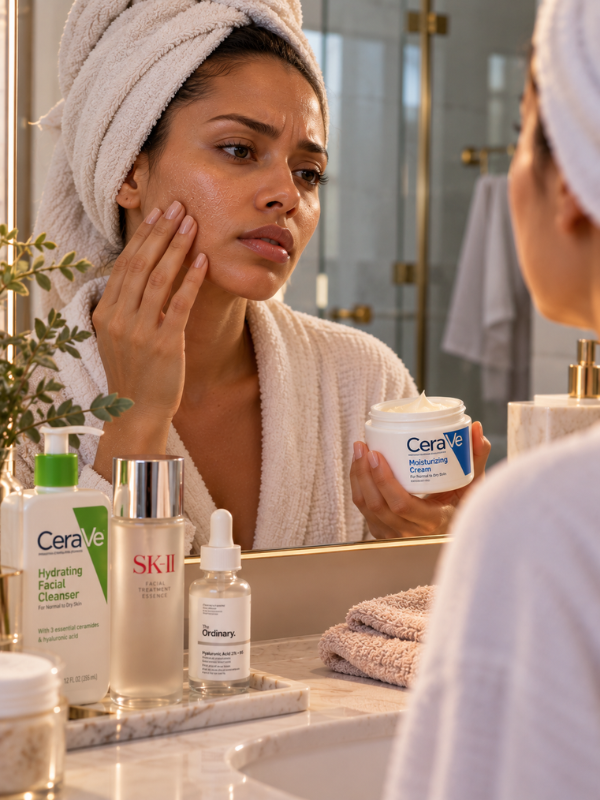
This is one of the more confusing signs.
You might look in the mirror and see shine on your forehead or nose. At the same time, your cheeks may feel tight.
It can be tempting to use products that remove even more oil.
However, that may not be what your skin needs.
Oily skin can still become dehydrated. So, instead of trying to strip away every bit of shine, it can be more helpful to focus on gentle cleansing, hydration, and barrier support.
What Causes Dry Skin?
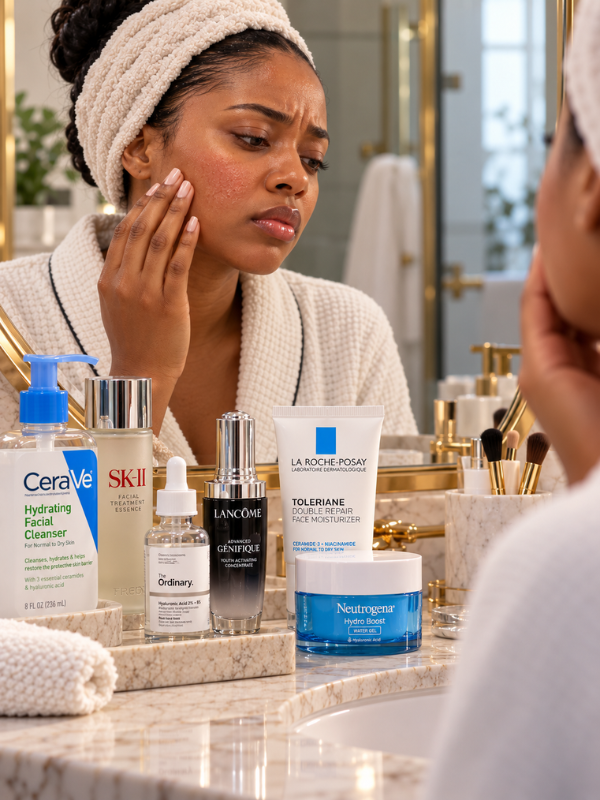
Dry skin can have several causes.
Genetics
Some people naturally produce less oil than others. If dry skin seems to run in your family, genetics may be part of the reason.
Aging
Skin can become drier with age. Changes in oil production can affect how well the skin holds onto moisture.
Cold Weather
Cold air can make already-dry skin feel even more uncomfortable.
This can be especially noticeable during winter in colder parts of the United States.
Indoor Heating
Winter heating can also make the air inside your home much drier. You may notice your skin feeling tighter during the colder months even if your skincare routine has not changed.
Hot Showers
A long, hot shower can feel amazing after a cold day. However, very hot water can leave the skin feeling dry and stripped.
Harsh Cleansers
Some cleansers can remove more oil than your skin needs.
If your face feels extremely tight immediately after cleansing, that is something worth paying attention to.
What Causes Dehydrated Skin?
Dehydrated skin can also have several triggers.
Dry Weather
Dry air can increase water loss from the skin.
Air Conditioning
Spending hours in air-conditioned spaces can sometimes leave your skin feeling dry and uncomfortable.
Indoor Heating
The same thing can happen with indoor heating during winter.
Hot Showers
Again, hot water can be a problem when it becomes a regular habit.
Over-Cleansing
Washing your face too often can interfere with the skin barrier.
Your skin does not need to feel squeaky clean to be clean.
Over-Exfoliating
Exfoliation can be useful. However, more is not always better.
Using several exfoliating products at once can leave the skin feeling irritated, tight, and uncomfortable.
Using Too Many Active Ingredients
Retinoids, acids, and other active ingredients can have a place in a skincare routine. But constantly layering strong products can be too much for some skin.
Sometimes, the best thing you can do is simplify.
How to Treat Dry Skin
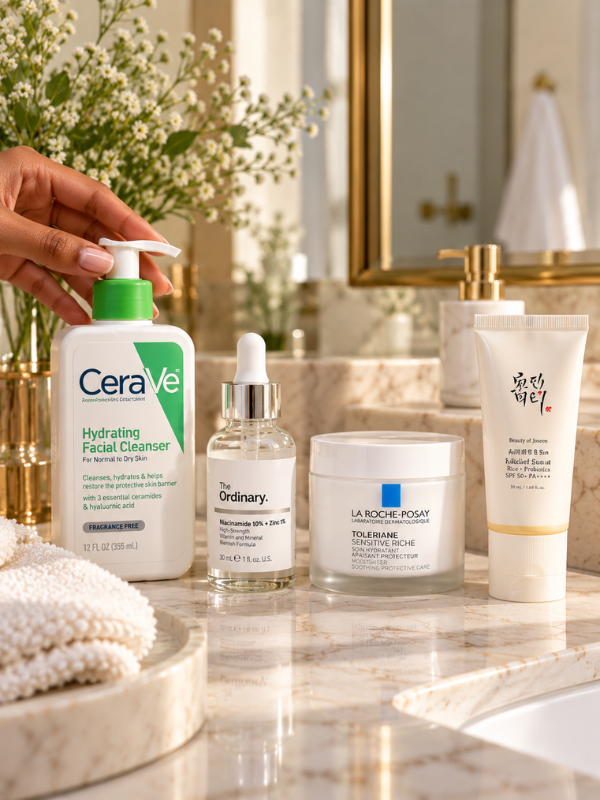
If your skin is naturally dry, your goal should be to give it the moisture and barrier support it needs.
Use a Gentle Cleanser
Look for a cleanser that removes dirt, sunscreen, and makeup without leaving your face feeling stripped.
You do not want your skin to feel painfully tight after every wash.
Use a Nourishing Moisturizer
A good moisturizer can help soften dry skin and support the skin barrier.
Ingredients such as ceramides, squalane, shea butter, fatty acids, and petrolatum can be useful for dry skin.
You do not need every ingredient in one product. The important thing is finding a formula your skin likes and using it consistently.
Protect Your Skin Barrier
Try not to overdo exfoliation.
Also, avoid washing your face with very hot water.
Most importantly, give your skin time to settle before constantly introducing new products.
Sometimes, keeping your routine simple is more helpful than adding another serum.
Protect Your Skin From the Environment
Cold and dry weather can make dry skin feel worse.
Using moisturizer consistently and protecting your skin from the sun can help support your overall routine.
How to Treat Dehydrated Skin
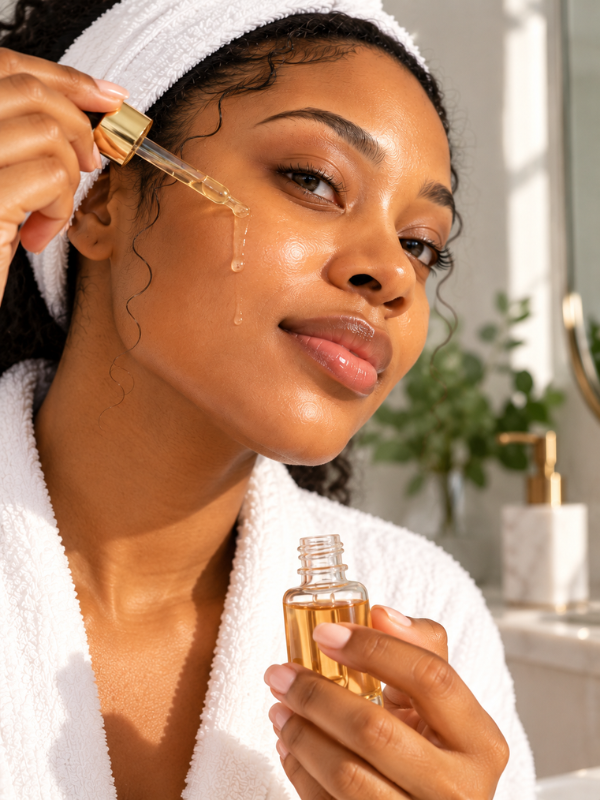
Dehydrated skin needs a slightly different approach.
The goal is to increase hydration while also helping your skin hold onto that moisture.
Add Hydrating Ingredients
Look for ingredients such as glycerin, hyaluronic acid, panthenol, aloe vera, and beta-glucan.
These ingredients are often used in hydrating products because they can help increase the water content of the skin’s outer layers.
Follow Hydration With Moisturizer
This is an important step.
A hydrating serum and a moisturizer do not necessarily do the same thing.
A hydrating product can add water to the skin. A moisturizer can help support the skin barrier and reduce water loss.
That is why using a hydrating product without moisturizing afterward may not give you the result you want.
Give Your Skin a Break
If your skin suddenly becomes tight and irritated, look at your routine.
You may not need five different active ingredients.
Try reducing unnecessary exfoliation and strong products while focusing on gentle cleansing, hydration, moisturizing, and sunscreen.
Your skin does not always need more.
Sometimes, it needs less.
Dry Skin vs Dehydrated Skin and the Best Ingredients
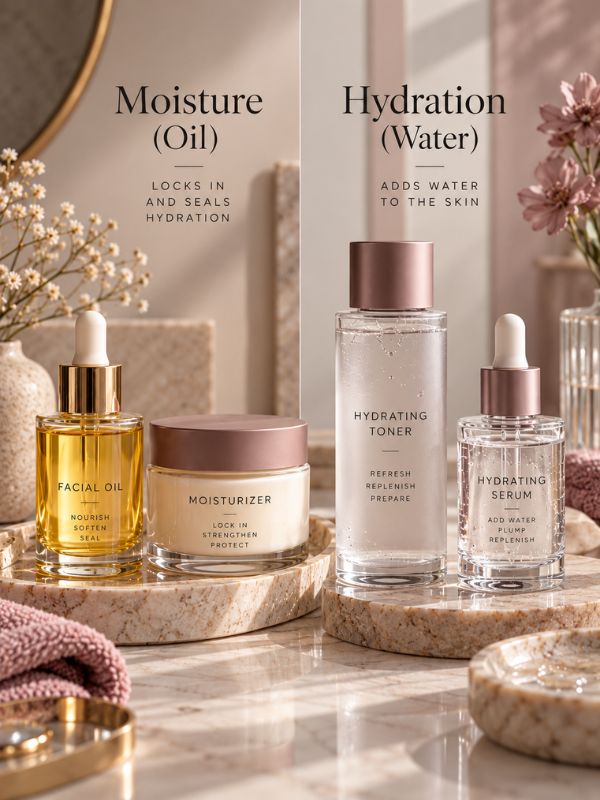
When looking at products, it helps to understand what different ingredients are meant to do.
Ingredients for Dry Skin
Dry skin often benefits from ingredients that support the skin barrier and help reduce moisture loss.
Look for:
- Ceramides
- Squalane
- Shea butter
- Fatty acids
- Petrolatum
- Nourishing plant oils
These ingredients can help make dry skin feel softer and more comfortable.
Ingredients for Dehydrated Skin
Dehydrated skin may benefit from ingredients that help attract and hold water.
Some options include:
- Glycerin
- Hyaluronic acid
- Panthenol
- Aloe vera
- Beta-glucan
- Urea
However, you do not need to buy a product containing every ingredient on this list.
A simple routine with a few well-chosen products can be enough.
How Your Skincare Routine Should Change
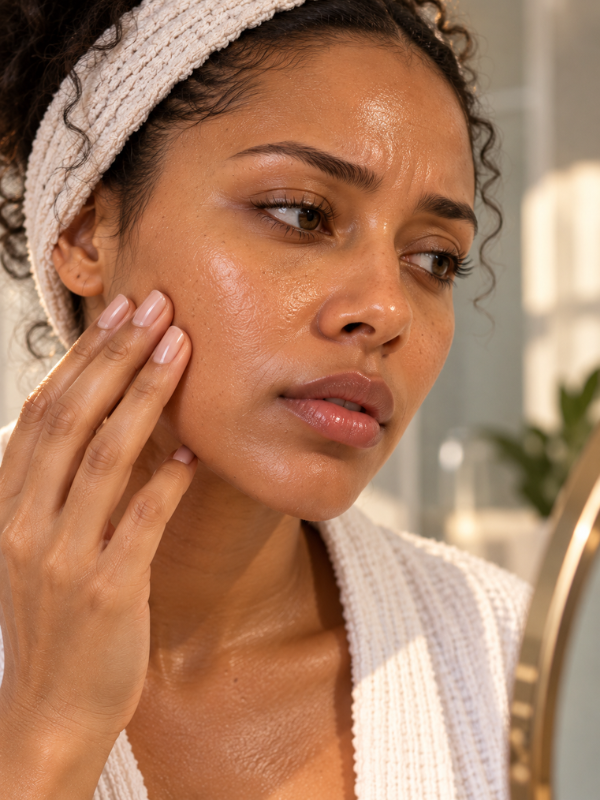
The biggest difference may not be how many products you use. It may simply be what you focus on.
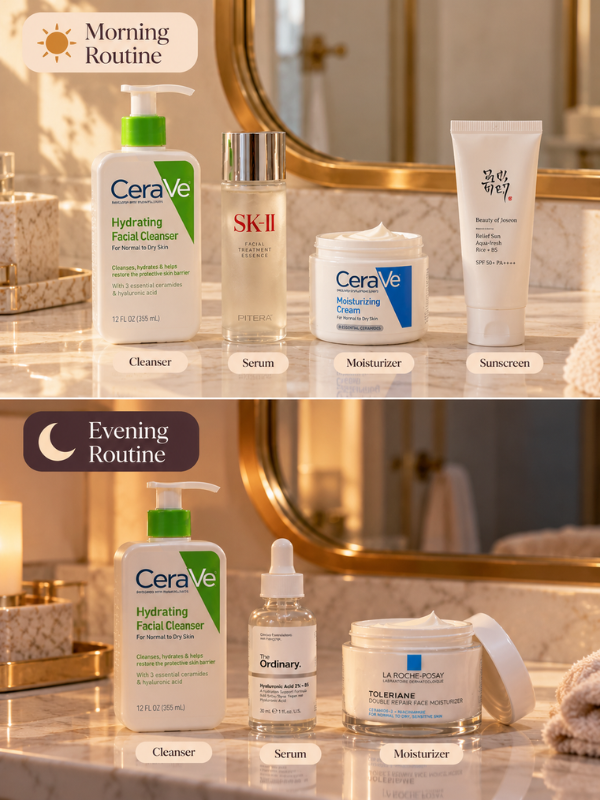
A Simple Morning Routine for Dry Skin
Start with a gentle cleanser or simply rinse your face if cleansing in the morning makes your skin too dry.
Then use a hydrating product if you like one.
Follow with moisturizer.
Finally, apply sunscreen.
A Simple Morning Routine for Dehydrated Skin
Start with a gentle cleanser.
Apply a hydrating serum or essence.
Follow with moisturizer.
Finish with sunscreen.
The important thing is not to keep adding layers just because your skin feels dehydrated.
A Simple Evening Routine for Dry Skin
Start by removing makeup and sunscreen.
Use a gentle cleanser.
Apply a hydrating product if needed.
Follow with a richer moisturizer.
If your skin is very dry, you may also benefit from an occlusive product to help reduce water loss.
A Simple Evening Routine for Dehydrated Skin
Cleanse gently.
Apply your hydrating product.
Follow with moisturizer.
If your skin barrier feels irritated, keep the rest of the routine simple until your skin feels more comfortable.
Common Mistakes People Make With Dry and Dehydrated Skin
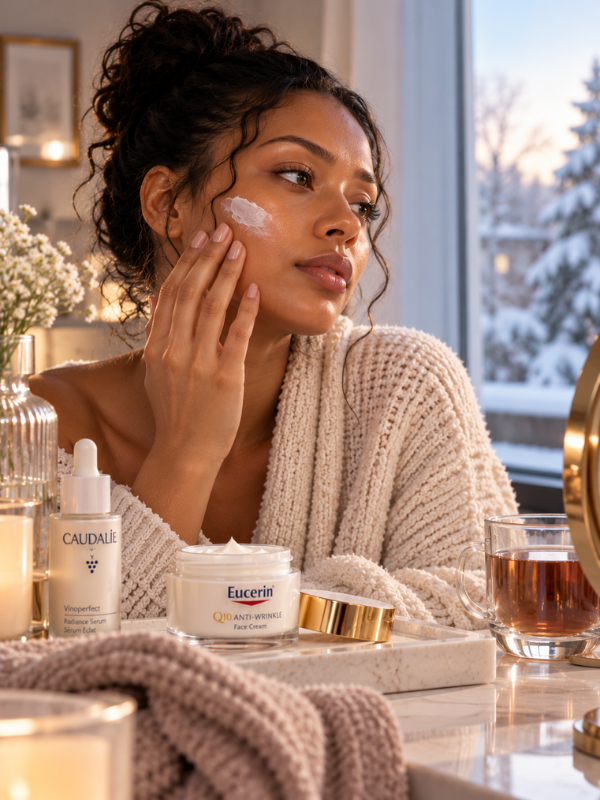
There are a few mistakes that can make both problems worse.
Assuming Oily Skin Cannot Be Dehydrated
This is one of the biggest misunderstandings.
Oily skin can still lack water.
So, if your skin is oily and tight at the same time, do not automatically assume you need a stronger oil-control routine.
Exfoliating Flaky Skin
When you see flakes, your first instinct may be to scrub them away.
I understand the temptation.
However, aggressive exfoliation can make already-irritated skin feel even worse.
Using Very Hot Water
A hot shower can be relaxing, especially when it is freezing outside. But your skin may not appreciate the temperature as much as you do.
Try using warm water instead.
Using Too Many Products
It is easy to see a new serum online and think it might solve everything.
Then another product comes along.
Before long, your routine has turned into ten steps.
More products do not automatically mean better skin.
Changing Products Too Often
Your skin needs time.
If you change your cleanser, moisturizer, serum, and exfoliant every few days, it becomes difficult to know what is helping and what is causing irritation.
Skipping Moisturizer Because Your Skin Is Oily
If your skin is dehydrated, skipping moisturizer may not be the answer.
Oily skin still needs hydration and barrier support.
How Long Does It Take to Improve Dehydrated Skin?
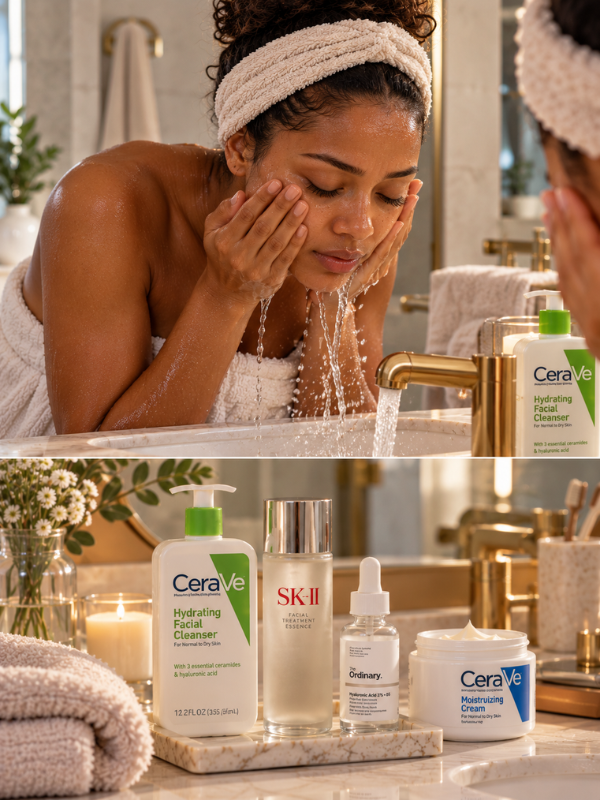
There is no single timeline that works for everyone.
It depends on what caused the dehydration and how irritated your skin has become.
If the problem came from a harsh product or over-exfoliation, simplifying your routine may help your skin feel more comfortable as the barrier recovers.
The key is consistency.
Instead of changing products every few days, give your skin a chance to respond to a simple routine.
And remember, skincare is not a race.
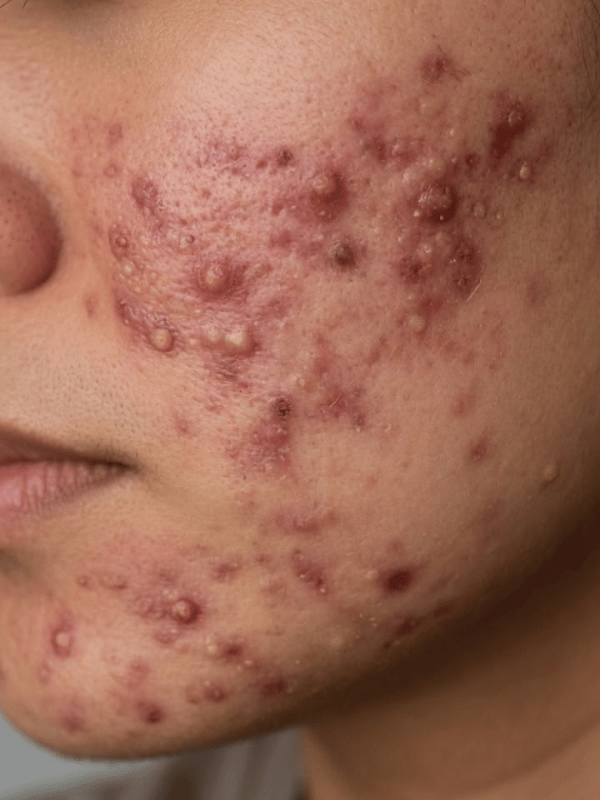
When Dry or Dehydrated Skin Needs More Attention
Occasional dryness is common.
However, you should pay closer attention if your skin is severely cracked, painful, persistently itchy, bleeding, very red, or continuously peeling.
If the problem does not improve or you are not sure what is causing it, consider speaking with a dermatologist.
Sometimes what looks like ordinary dryness can have another cause that needs proper evaluation.
Frequently Asked Questions
Is dry skin the same as dehydrated skin?
No. Dry skin usually refers to a skin type that produces less natural oil. Dehydrated skin means the skin lacks water.
Can oily skin be dehydrated?
Yes. Oily skin can still be dehydrated. Skin oil and skin water are two different things.
How can I tell if my skin is dry or dehydrated?
Look at how your skin normally behaves. Skin that is consistently dry, rough, and flaky may be naturally dry. Sudden tightness, dullness, or fine lines may point toward dehydration.
Can you have dry and dehydrated skin at the same time?
Yes. A person with naturally dry skin can also become dehydrated because of weather, skincare products, hot water, or other factors.
Is drinking water enough to fix dehydrated skin?
Drinking enough water is important for overall health, but it is not the only factor that affects how hydrated your skin feels. Your skincare routine, environment, and skin barrier also matter.
What ingredients are good for dry skin?
Ingredients such as ceramides, squalane, shea butter, fatty acids, and petrolatum can help support dry skin.
What ingredients are good for dehydrated skin?
Hydrating ingredients such as glycerin, hyaluronic acid, panthenol, aloe vera, and beta-glucan can be useful.
Should I exfoliate dry or dehydrated skin?
Be careful with exfoliation when your skin is already dry, tight, or irritated. Exfoliating too often can make the problem worse.
Can weather make skin dehydrated?
Yes. Cold, dry air, indoor heating, and air conditioning can all affect how much water the skin loses.
Summary
Understanding dry skin vs dehydrated skin can make skincare much less confusing.
The easiest way to remember the difference is simple: dry skin lacks oil, while dehydrated skin lacks water.
Dry skin is usually a skin type. Dehydrated skin is usually a temporary condition. However, you can have both at the same time.
The most important thing is to pay attention to what your skin is actually telling you. If it suddenly feels tight, irritated, or unusually dull, you may not need to completely change your skincare routine.
Sometimes, your skin simply needs a gentler cleanser, more hydration, a good moisturizer, and a little less experimentation.
And honestly, that is one of the best things about understanding your skin. You stop buying products just because they promise to fix a problem and start choosing products based on what your skin actually needs.
This Post Showed You the Difference Between Dry Skin and Dehydrated Skin
You may also like:
How to Introduce New Skincare Products Without Irritating Your Skin



One Comment