There are times when your skin barrier seems to suddenly change. Your skin may feel tight after cleansing, dry even after moisturizing, or unusually sensitive when you apply products you normally use without any problems. I have had moments like this where I assumed my skin simply needed more hydration. However, adding more products was not always the answer.
Sometimes, your skin needs less rather than more.
The skin barrier is the outer protective layer of your skin. It helps keep moisture in while protecting your skin from external irritants. When it is working well, your skin usually feels comfortable and balanced. When it becomes disrupted, dryness, sensitivity, roughness, and irritation can become much more noticeable.
Understanding your skin barrier can therefore change the way you approach skincare. Instead of constantly adding new products when something feels wrong, you can start paying attention to what your skin is actually telling you.
And honestly, that can make skincare feel much simpler.
What Is a Skin Barrier?
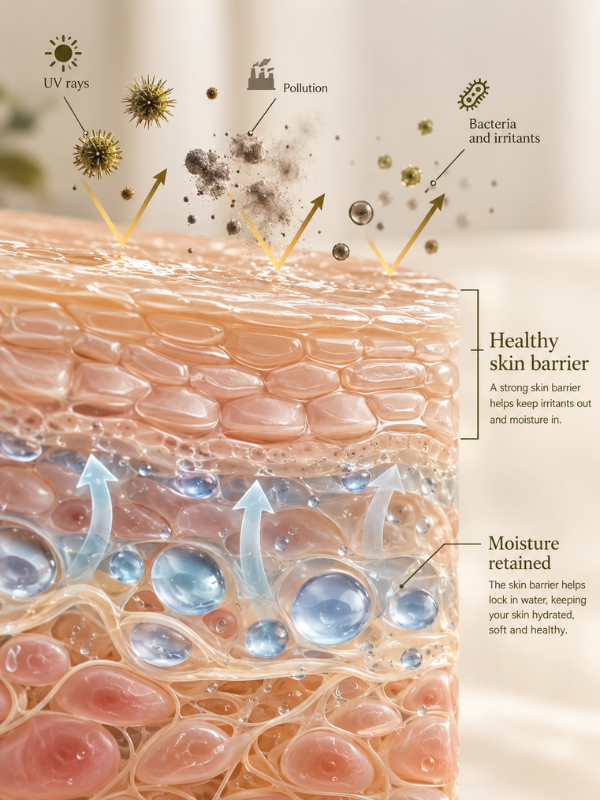
The skin barrier is the outermost layer of your skin. It is part of the epidermis and is often described as a protective shield between your body and the outside world.
Think of it like a wall around your skin.
A good wall keeps important things inside and unwanted things outside. Your skin barrier works in a similar way. It helps prevent too much water from leaving your skin. At the same time, it helps protect your skin from environmental irritants and other things that can cause problems.
The skin barrier is made up of skin cells and natural fats called lipids. Ceramides, cholesterol, and fatty acids are some of the important lipids involved in maintaining this protective layer.
You do not need to memorize all of that to take care of your skin.
The main thing to remember is simple. Your skin barrier helps your skin hold on to moisture and protect itself.
What Does the Skin Barrier Actually Do?
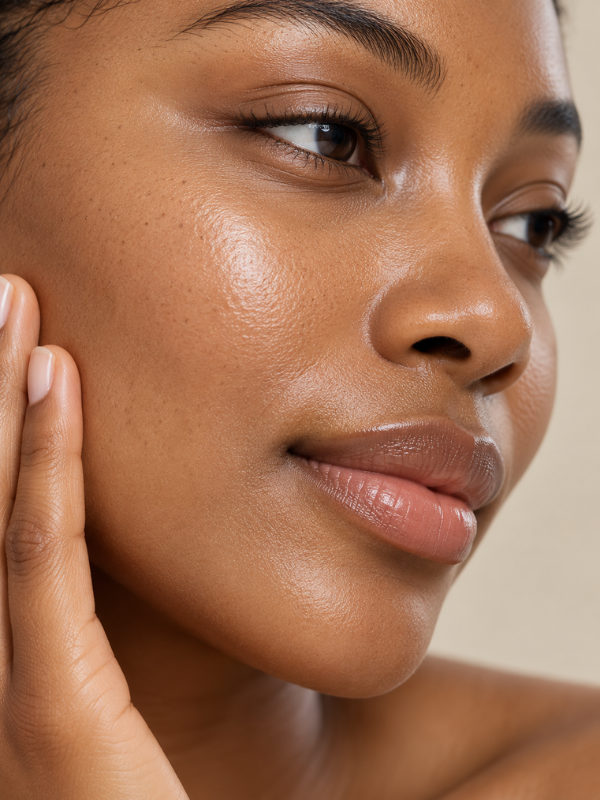
Your skin is doing more work than you may realize.
Every day, your face is exposed to weather, sunlight, pollution, cleansing, makeup, skincare products, and changes in temperature. Your skin barrier helps manage some of these daily challenges.
It Helps Keep Moisture In
One of the main jobs of the skin barrier is to reduce water loss from the skin.
When your barrier is functioning properly, your skin can hold on to moisture more effectively. This can help your skin feel softer and more comfortable.
However, when the barrier becomes disrupted, water can escape more easily. This can leave the skin feeling dry, tight, rough, or uncomfortable.
It Helps Protect Your Skin
Your skin barrier also acts as a line of defense.
It helps protect your skin from environmental irritants and other external factors. This does not mean your skin will never become irritated. However, a healthy barrier gives your skin an important layer of protection.
It Supports Comfortable Skin
Healthy skin does not necessarily mean perfectly smooth or completely poreless skin.
For me, a better way to think about healthy skin is skin that feels comfortable. It should not constantly feel tight, burning, overly dry, or irritated.
That is why paying attention to how your skin feels can be just as useful as looking at it in the mirror.
What Does a Healthy Skin Barrier Look and Feel Like?
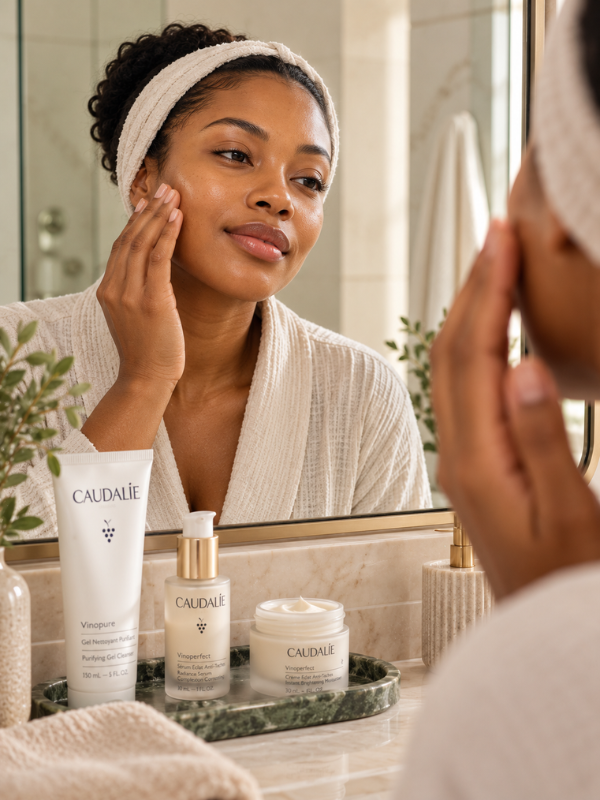
A healthy skin barrier can look different from person to person.
You do not need naturally flawless skin to have a healthy barrier. You can still have pores, fine lines, occasional breakouts, or uneven skin tone.
Instead, pay attention to how your skin behaves.
Your skin may:
- Feel comfortable after cleansing.
- Feel soft and flexible.
- Hold moisture better.
- Have less unnecessary dryness.
- Feel less sensitive.
- Tolerate your usual skincare products.
- Look smoother and more balanced.
One thing I have learned about skincare is that we often focus too much on how our skin looks. However, how it feels can tell you a lot too.
If your skin feels comfortable throughout the day, that is worth paying attention to.
Signs Your Skin Barrier May Be Damaged
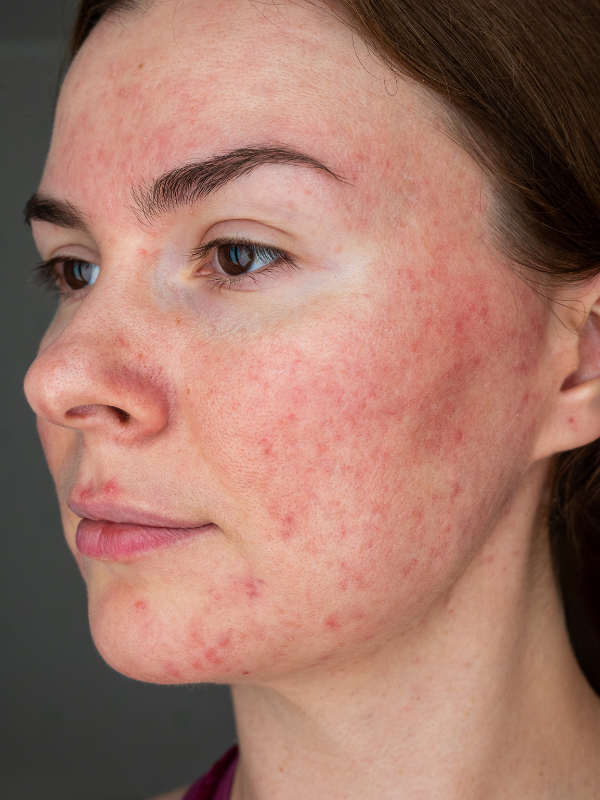
Sometimes your skin gives you little clues that its barrier is not doing well.
You may notice:
- Tightness after cleansing.
- Dry or flaky patches.
- Rough texture.
- Redness.
- Increased sensitivity.
- Burning or stinging when applying products.
- Skin that suddenly reacts to products you normally tolerate.
- Moisturizer that starts feeling uncomfortable.
- A constant feeling of dryness.
One important thing to remember is that these signs do not automatically mean your skin barrier is damaged.
Several skin conditions can cause similar symptoms. Therefore, if you have persistent or severe irritation, it is better to speak with a dermatologist rather than assuming that your barrier is the problem.
What Can Damage the Skin Barrier?

There are several things that can make the skin barrier more vulnerable.
Sometimes it is not one product or one mistake. It can be several small things happening at the same time.
Over-Exfoliating
Exfoliation can be helpful. However, doing too much can leave your skin irritated.
Using exfoliating acids too often or scrubbing your face aggressively can make your skin feel dry and sensitive.
I think this is one of the easiest mistakes to make because skincare can make us feel like we always need to remove something.
More exfoliation does not automatically mean smoother skin.
Sometimes your skin needs a break.
Using Too Many Active Ingredients
Retinoids, AHAs, BHAs, benzoyl peroxide, and other active ingredients can have a place in a skincare routine.
The problem can come when you start using several strong products at once.
It is easy to think that if one active ingredient is useful, adding another one will make the results even better. Unfortunately, your skin may not agree.
If your face starts feeling unusually dry, irritated, or sensitive after adding several actives, your routine may simply be doing too much.
Washing Your Face Too Often
Cleansing is important. However, there is such a thing as overdoing it.
Very hot water, harsh cleansers, and excessive washing can leave your skin feeling stripped.
You know that feeling when your face feels extremely tight after washing? That is not necessarily a sign that your cleanser worked better.
Your skin does not need to feel “squeaky clean” to be clean.
Changing Products Too Often
This is another one that can be surprisingly easy to do.
You see a new serum. You try it.
Then you see another moisturizer. You try that too.
A few days later, you add an exfoliant.
Before long, you have changed half of your routine and have no idea which product is helping or causing the problem.
I have learned that skincare requires a little patience. Giving your routine time to settle can make it much easier to understand what your skin actually likes.
Environmental Factors
Your environment can also affect your skin.
Dry weather, strong wind, heat, air conditioning, and sun exposure can all place stress on the skin.
You may even notice that your skin behaves differently during different seasons or when you travel.
That does not necessarily mean your entire skincare routine has stopped working. Sometimes your skin is simply responding to a change around you.
Can Skincare Products Damage Your Skin Barrier?

Skincare products are not automatically bad for your skin barrier.
The bigger issue can be how you use them.
A product may be perfectly suitable for one person but irritating for another. Your skin type, the strength of the product, how often you use it, and what you combine it with can all matter.
For example, using several exfoliating products at the same time may be too much for your skin.
This is why I prefer the idea of introducing new products slowly.
You do not need to completely overhaul your routine every time you buy something new.
How to Repair a Damaged Skin Barrier
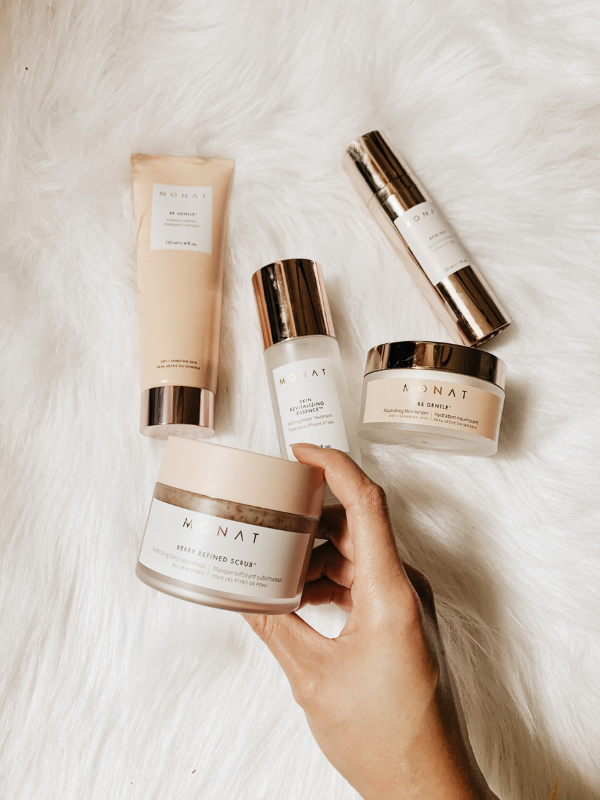
If your skin is feeling irritated, one of the first things to consider is simplifying your routine.
You may be tempted to add another product designed to “repair” your skin. However, sometimes the better approach is to remove some of the things that may be irritating it.
Simplify Your Skincare Routine
Go back to the basics for a while.
A simple routine may include:
- A gentle cleanser.
- A moisturizer.
- Sunscreen during the day.
That is it.
You do not necessarily need seven or eight products every morning and night.
In fact, when your skin is irritated, keeping your routine simple can make it easier to see how your skin responds.
Choose a Gentle Cleanser
Look for a cleanser that leaves your skin feeling clean but comfortable.
You should not feel as though all the moisture has been removed from your face after washing.
Also, try to avoid very hot water. Lukewarm water is generally a better choice for cleansing your face.
And please do not scrub your skin just because it feels rough.
Sometimes roughness is a sign that your skin needs gentler care, not more friction.
Use a Good Moisturizer
Moisturizer is an important part of caring for your skin barrier.
Ingredients commonly found in barrier-supporting moisturizers include ceramides, glycerin, squalane, fatty acids, and other moisturizing ingredients.
You do not need to buy a moisturizer simply because it contains a long list of impressive ingredients.
The most important thing is finding one that your skin tolerates and that helps it feel comfortable.
Consider Pausing Strong Actives
If your skin suddenly becomes very irritated, you may want to reduce or temporarily stop products that are likely to make irritation worse.
This may include strong exfoliating acids or retinoids.
Once your skin feels comfortable again, you can gradually introduce products back into your routine if they are appropriate for you.
The important thing is not to rush.
Protect Your Skin From the Sun
Sunscreen is also part of taking care of your skin.
Daily broad-spectrum sunscreen can help protect your skin from ultraviolet radiation. This matters for overall skin health, not just for preventing visible signs of aging.
Think of sunscreen as part of your protection routine rather than an extra step you can skip when you are having a good skin day.
How Long Does It Take to Repair the Skin Barrier?
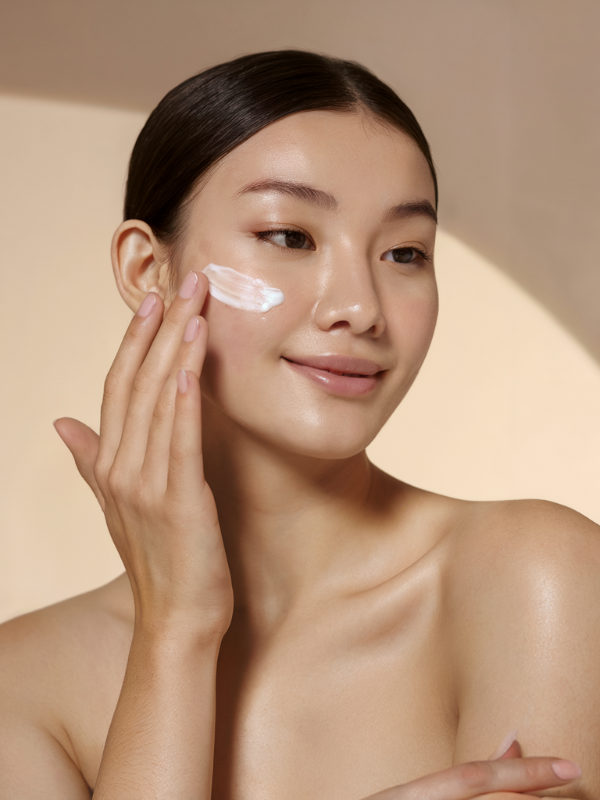
There is no single timeline that works for everyone.
It depends on what caused the irritation and how severe the problem is.
If your skin is mildly irritated because you introduced too many products at once, simplifying your routine may help it feel more comfortable with time.
However, more persistent irritation can take longer.
This is why I would not recommend constantly changing your routine every few days because you are not seeing instant results.
Sometimes the best thing you can give your skin is time.
How to Prevent Skin Barrier Damage
Taking care of your skin barrier does not have to be complicated.
A few simple habits can make a difference.
- Keep cleansing gentle.
- Avoid excessive exfoliation.
- Introduce new products slowly.
- Be careful when combining strong active ingredients.
- Moisturize regularly.
- Wear sunscreen during the day.
- Pay attention when your skin starts feeling uncomfortable.
- Avoid changing your entire routine at once.
- Give products enough time before deciding whether they work for you.
Most importantly, learn to listen to your skin.
If your skin suddenly starts burning, stinging, or becoming extremely dry, do not automatically assume that you need a stronger product.
Sometimes your skin is asking you to slow down.
Skin Barrier vs Hydrated Skin
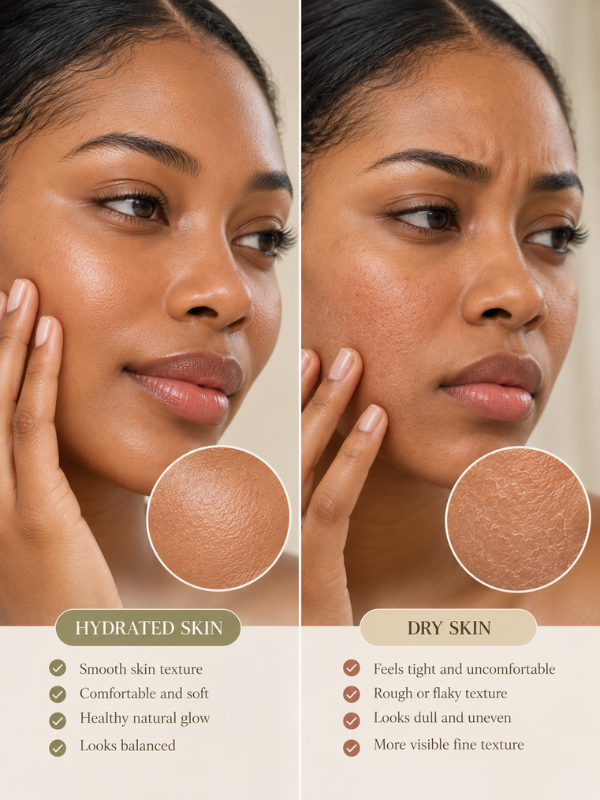
The skin barrier and skin hydration are connected, but they are not exactly the same thing.
Your skin barrier is the protective outer layer that helps keep moisture in and unwanted substances out.
Hydration, on the other hand, refers to the amount of water in the skin.
This distinction matters because dehydrated skin and a disrupted skin barrier can sometimes look similar.
Both may leave your skin feeling tight or uncomfortable.
However, simply applying a hydrating serum does not solve every skin problem.
If your skin cannot hold on to moisture properly, protecting the barrier also becomes important.
This is one reason why I do not think skincare should always be about adding more hydration. Sometimes you also need to think about how well your skin is holding on to that moisture.
Can Oily Skin Have a Damaged Skin Barrier?
Yes.
Having oily skin does not mean your skin barrier is automatically healthy.
Oily skin can still become irritated, dry, flaky, or sensitive.
You may even have oily skin while experiencing tightness at the same time.
This is why I would not use oiliness alone to decide whether your skin is healthy.
Your skin can produce oil and still need more gentle care.
Can Dry Skin Have a Healthy Skin Barrier?
Yes, it can.
Naturally dry skin and damaged skin are not exactly the same thing.
Some people simply have skin that produces less oil. That does not automatically mean their skin barrier is damaged.
However, dry skin can become more uncomfortable when the barrier is not functioning properly.
So instead of assuming that every dry skin problem means your barrier is damaged, pay attention to other signs such as unusual sensitivity, burning, redness, or sudden changes in how your skin reacts to products.
Common Skin Barrier Mistakes I Would Avoid
If there is one thing I would change about how many people approach skincare, it is the idea that every skin problem needs another product.
Sometimes your skin becomes dry, so you buy another serum.
Then it becomes rough, so you add an exfoliant.
Then it becomes irritated, so you buy another treatment.
Suddenly, your simple skincare routine has turned into a chemistry experiment.
I understand the temptation because I have been there too.
However, sometimes the better approach is to step back.
If your skin suddenly becomes irritated, think about what changed.
Did you introduce a new product?
Did you start exfoliating more often?
Did you add several active ingredients?
Have you been cleansing more than usual?
Looking at what changed can sometimes be more useful than immediately buying something else.
Another mistake is assuming that burning means a product is working.
It does not.
A strong sensation is not proof that a skincare product is more effective.
Your skin should not have to suffer for your routine to work.
When Should You See a Dermatologist?
Not every skin problem is simply a damaged skin barrier.
If you experience persistent or severe redness, swelling, pain, cracking, bleeding, a significant rash, or irritation that does not improve, it is worth speaking with a dermatologist.
The same applies if your skin keeps reacting to products and you cannot figure out why.
Sometimes what looks like simple dryness or irritation can have another cause.
Getting professional advice can help you understand what is actually happening instead of repeatedly changing your skincare routine.
Frequently Asked Questions
What is the skin barrier?
The skin barrier is the outer protective layer of your skin. It helps reduce water loss and protects the skin from external irritants.
How do I know if my skin barrier is damaged?
Common signs can include unusual dryness, tightness, flaking, redness, burning, stinging, rough texture, and increased sensitivity. However, these symptoms can have other causes too.
How can I repair my skin barrier?
Start by simplifying your routine. Use a gentle cleanser, a suitable moisturizer, and sunscreen. You may also need to reduce products that are irritating your skin.
Can over-exfoliating damage the skin barrier?
Yes. Exfoliating too often or using several exfoliating products together can contribute to irritation and make the skin feel dry or sensitive.
How long does it take for the skin barrier to heal?
There is no exact timeline. It depends on what caused the problem and how severe the irritation is. Mild irritation may settle with simpler care, while persistent problems may require professional advice.
Can oily skin have a damaged skin barrier?
Yes. Oily skin can still become dry, irritated, sensitive, or flaky when the skin barrier is disrupted.
Should I stop using all skincare products if my skin barrier is damaged?
Not necessarily. Instead, consider simplifying your routine and removing products that may be causing irritation. A gentle cleanser, moisturizer, and sunscreen may be enough while your skin settles.
Summary
The skin barrier may not be the most exciting part of skincare, but it is one of the most important.
You do not need a complicated routine to take care of it.
Sometimes it comes down to simple things. Cleanse gently. Moisturize. Protect your skin from the sun. Introduce new products slowly. And most importantly, pay attention when your skin starts behaving differently.
I think one of the biggest lessons in skincare is that more is not always better.
Sometimes better skin does not come from adding another product. Sometimes it comes from giving your skin fewer things to fight with.
And honestly, your skincare routine does not have to feel like a full-time job. Your skin deserves care, but it also deserves a little breathing room.
This Post Showed You What Is a Skin Barrier and Why Does It Matter
You May Also Like:
What Is the Difference Between Dry Skin and Dehydrated Skin?
How to Introduce New Skincare Products Without Irritating Your Skin



One Comment