There are days when I want my makeup to look beautiful and put together, but I don’t necessarily want to spend ages deciding which eyeshadow goes with my lipstick or whether my blush is going to clash with everything else. I want colours that work together, a little definition around the eyes, a healthy flush on the cheeks, and lips that complete the look. This is exactly why I love the monochromatic makeup trend.
Monochromatic makeup is all about using different shades of the same colour family across your eyes, cheeks, and lips. Think rosy pink eyeshadow with matching pink blush and a soft rose lipstick, warm brown eyeshadow with caramel cheeks and nude-brown lips, or peachy tones blended across the face for that fresh, sun-kissed appearance.
What makes this trend so appealing is that it doesn’t require complicated makeup techniques or an enormous collection of products. You can create a beautiful look with just a few complementary shades. It is also incredibly versatile. You can keep things soft for everyday wear, experiment with warm neutrals for work, or choose deeper colours when you want something more glamorous.
However, there is a little secret to getting monochromatic makeup right. Matching your eyes, cheeks, and lips doesn’t mean using the exact same shade everywhere. That can sometimes make your makeup look flat. Instead, you want to play with different depths, textures, and finishes while keeping everything within a similar colour family.
For example, you could use a light dusty pink on your eyelids, a slightly warmer rose blush on your cheeks, and a deeper pink lipstick. The colours complement one another without making your entire face look overly coordinated.
Whether you prefer soft feminine makeup, warm neutral looks, or bold colours, there is a monochromatic combination worth trying. Here are 15 beautiful monochromatic makeup trends to inspire your next look, along with practical tips for recreating them.
15 Beautiful Monochromatic Makeup Looks With Matching Eyes, Cheeks and Lips
If you’re new to monochromatic makeup, starting with a particular colour combination makes everything easier. Rather than randomly picking products and hoping they work together, choose one colour family and build your look around it.
I’ve included a mixture of soft everyday combinations, warm neutral looks, romantic shades, and deeper colours so you can find something that suits your personal style.
1. Soft Pink Monochromatic Makeup
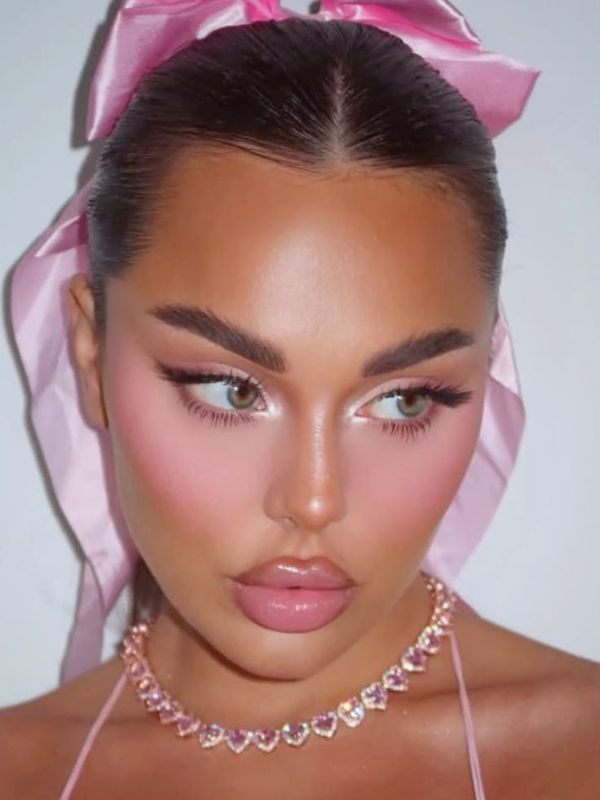
Pink is one of the prettiest ways to try monochromatic makeup, especially if you enjoy a feminine, fresh-looking finish. It has a soft romantic quality that works for daytime makeup, brunch, weddings, and even special occasions when you don’t want anything too dramatic.
The beauty of a pink monochromatic look is that you can make it as subtle or noticeable as you like. You don’t have to wear bright pink across your entire face. A combination of dusty rose, baby pink, and deeper rosy tones can create a much more wearable result.
For the eyes, start with a light pink or dusty rose eyeshadow across your eyelids. Blend a slightly deeper rose shade into the outer corners and crease to give the eyes more dimension. If you enjoy a little shimmer, add a soft champagne-pink shade to the centre of your lids.
For the cheeks, choose a rosy pink blush. Cream blush works particularly well when you want a fresh, skin-like finish, while powder blush gives you more control over the intensity. Apply a little to the apples of your cheeks and blend upwards towards your temples.
Finish with a pink lipstick or rosy gloss. If you prefer a more defined lip, use a rose-toned liner before applying your lipstick.
Makeup artist tip: Don’t use the brightest pink shade on all three features. Keep the eyes soft, let the cheeks have a natural flush, and use a slightly deeper pink on the lips. This creates a lovely balance.
2. Peach Monochromatic Makeup
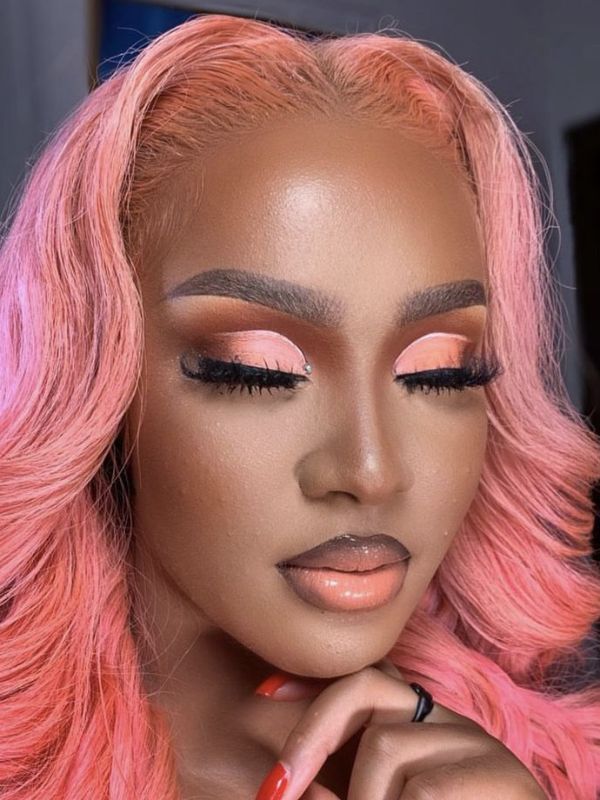
Peach monochromatic makeup is perfect for anyone who loves warm, fresh, glowing beauty looks. It brings a little brightness to the face and can make your makeup look effortless without appearing unfinished.
I particularly like peach because it sits between pink and orange, which gives you several shades to work with. You can choose pale apricot, warm peach, peachy coral, or deeper peach-brown tones depending on the result you want.
Begin with a soft peach eyeshadow. Apply it across your eyelids and blend a warm caramel or light brown shade into the crease. This extra depth prevents the eyes from looking too flat.
Next, apply peach blush to your cheeks. Blend it gently so the colour looks like a natural flush rather than a visible patch of product. If you’re using cream blush, start with a small amount and build it gradually.
For the lips, a peachy nude lipstick or warm peach gloss completes the look. You can also use a slightly deeper coral-peach lipstick if you want more colour.
This combination is particularly beautiful for daytime outings, holidays, outdoor celebrations, and summer-inspired makeup.
Makeup artist tip: If your peach eyeshadow is very warm or orange, choose a blush and lipstick with similar warm undertones. A cool pink lipstick can interrupt the overall colour harmony.
3. Brown Monochromatic Makeup
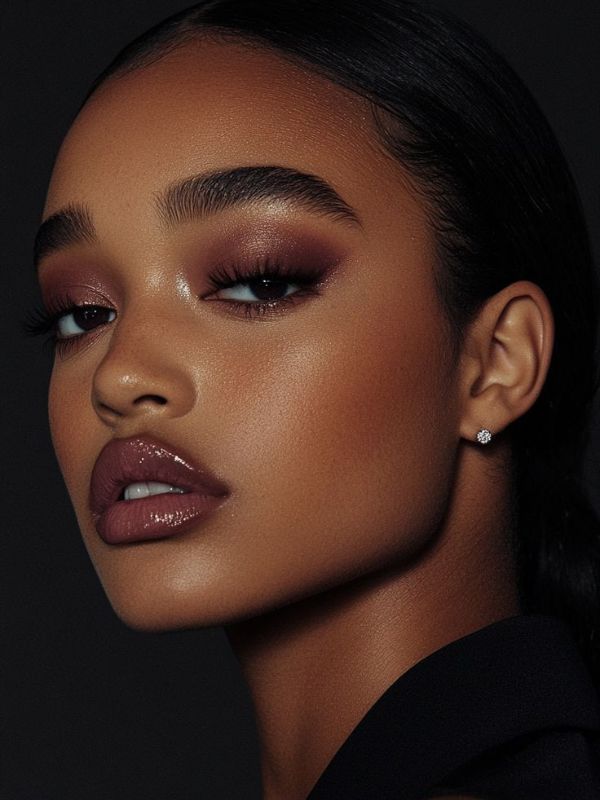
Brown monochromatic makeup is a beautiful option when you want something polished, elegant, and easy to wear. It is also one of the most versatile colour combinations because brown comes in so many different shades.
You can work with caramel, mocha, chocolate, cocoa, cinnamon, taupe, and warm coffee tones. The trick is choosing a mixture of light and deep browns rather than applying one flat shade everywhere.
Start with a caramel or medium brown eyeshadow across your eyelids. Blend a deeper chocolate shade into the outer corners and crease to create definition. If you want a little glamour, add bronze shimmer to the centre of the lids.
For the cheeks, choose a warm brown blush or a suitable bronzed blush that complements your complexion. A soft caramel or cinnamon-toned cheek colour can give the face warmth without looking too orange.
For the lips, a brown nude lipstick is a lovely finishing touch. You can use a slightly darker brown lip liner around the edges and blend it into the lipstick for a defined but seamless finish.
If you enjoy glossy lips, apply a little clear or brown-toned gloss over the lipstick.
Makeup artist tip: Brown monochromatic makeup looks especially beautiful when you use different textures. Try matte brown eyeshadow, softly blended blush, and glossy nude lips. The difference in finish makes the look more interesting.
4. Berry Monochromatic Makeup
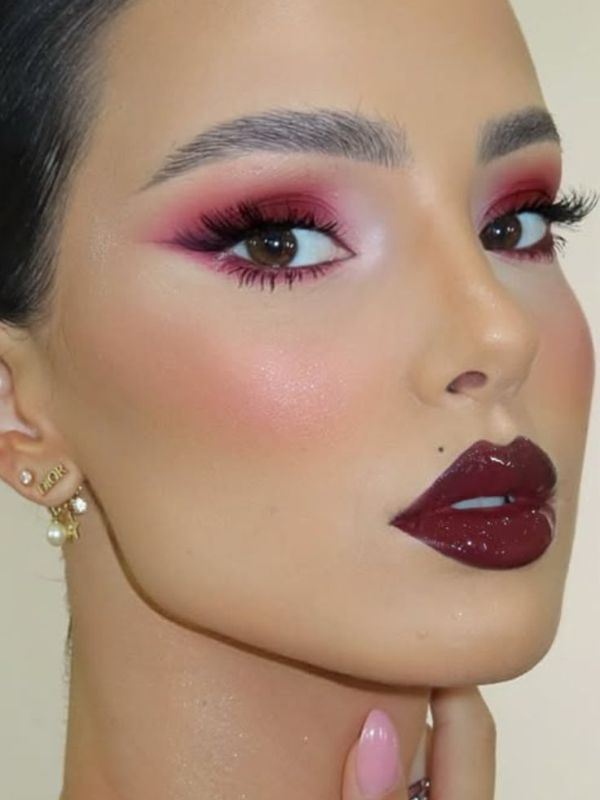
Berry makeup is perfect when you want something richer and more noticeable than traditional pink or nude looks. It has a beautiful depth that works particularly well for evening occasions, dinner dates, weddings, and special celebrations.
Berry isn’t just one colour. You can find raspberry, cranberry, mulberry, wine, burgundy, and deep berry shades. This means you can create a soft romantic look or something much more dramatic.
For the eyes, choose a muted berry or raspberry eyeshadow. Blend it across the eyelid and add a deeper plum or brown shade to the outer corners. If you want a softer finish, keep the colour concentrated on the lid and blend the edges carefully.
For the cheeks, use a berry-toned blush. Because some berry blushes are highly pigmented, apply a little at a time. You want a gentle flush that complements the eyes rather than competing with them.
Finish with raspberry, cranberry, or deep berry lipstick. A satin finish is lovely because it gives you rich colour without looking too dry.
If your lipstick is particularly bold, keep your eyeshadow softer. You can still see the connection between the colours without making every feature equally intense.
Makeup artist tip: Berry blush can look very different depending on how much you apply. Test the colour with a light hand first, especially if you’re using a new liquid or cream formula.
5. Terracotta Monochromatic Makeup
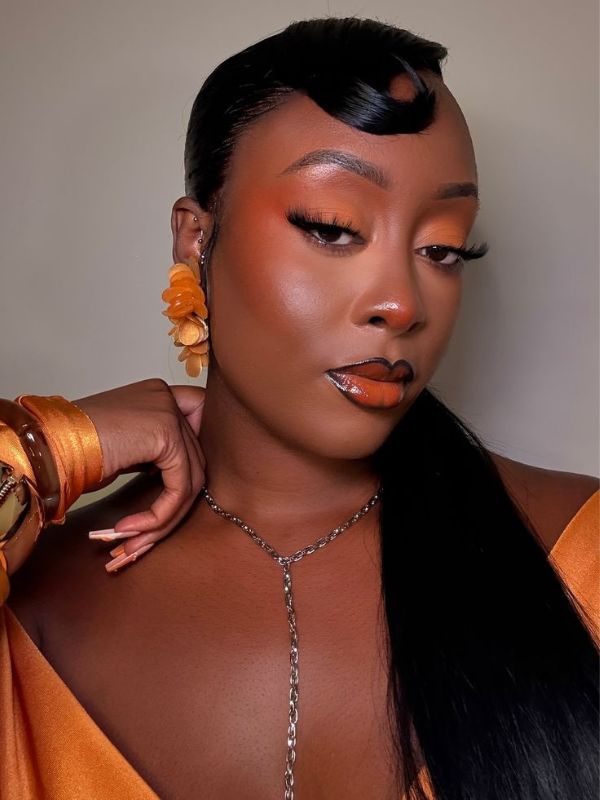
Terracotta is one of those colours that can make a makeup look feel warm, rich, and beautifully coordinated. It takes inspiration from earthy shades such as burnt orange, reddish brown, cinnamon, and warm clay.
If you enjoy bronzed makeup, this colour family is definitely worth exploring.
Start with a terracotta eyeshadow across the lids. Blend a deeper rust or warm brown shade into the crease for added dimension. You can also use a little bronze shimmer if you want the eyes to catch the light.
For the cheeks, choose a terracotta blush. This gives the face warmth and ties the eyeshadow to the lips. Apply it gradually and blend the edges until the colour looks soft.
For the lips, a cinnamon, warm brick, or terracotta-brown lipstick works beautifully. If you prefer something less intense, choose a warm nude lipstick with a terracotta undertone.
This look is particularly lovely for evening events, autumn-inspired makeup, celebrations, and anyone who enjoys warm colour combinations.
Makeup artist tip: Avoid choosing three extremely orange products. Mix terracotta with warm brown and reddish tones to create more dimension.
6. Mauve Monochromatic Makeup
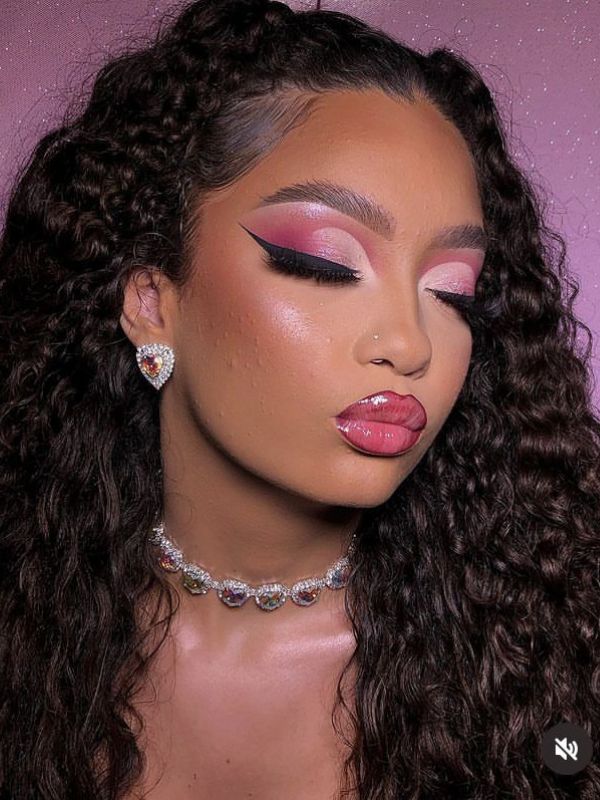
Mauve is a lovely choice when you want something romantic but slightly more understated than bright pink. It combines elements of pink, purple, and brown, which makes it incredibly versatile.
A mauve monochromatic look can feel soft and feminine during the day or sophisticated and elegant in the evening.
For the eyes, apply a muted mauve eyeshadow across the lids. Blend a deeper mauve-brown shade into the outer corner and crease. If you want more brightness, use a little soft pink shimmer on the centre of the eyelid.
Choose a mauve-pink blush for the cheeks. Apply it lightly and blend upwards for a softly diffused finish.
For the lips, a mauve lipstick or rosy mauve gloss will complete the look. You can also use a muted pink-brown lip liner to add definition.
What I particularly like about this combination is that it doesn’t rely on very bright colours to make an impression. Everything works together quietly, which makes it a lovely choice for office makeup, weddings, and everyday beauty.
Makeup artist tip: If your mauve eyeshadow leans more purple, choose a blush and lipstick with a similar cool or rosy undertone. This will help the entire look feel connected.
7. Red Monochromatic Makeup
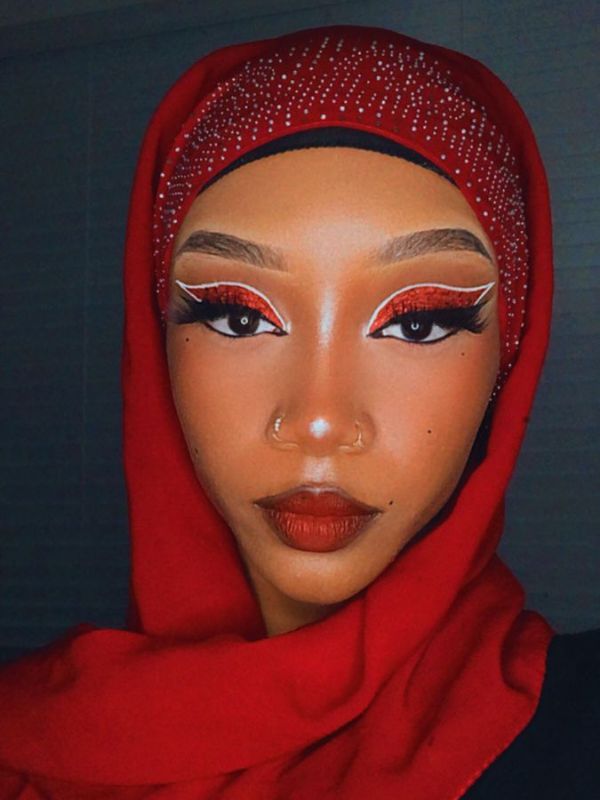
Red might sound intimidating when you’re thinking about using it on your eyes, cheeks, and lips, but you don’t have to apply bright red everywhere.
The secret is working with different interpretations of red. You can use reddish-brown eyeshadow, a subtle red-toned blush, and a classic red lipstick.
For the eyes, try brick red, warm reddish brown, or muted red eyeshadow. Blend it carefully, especially around the crease, so the colour doesn’t appear too harsh.
For the cheeks, choose a subtle red or warm rose blush. Apply a very small amount and build it slowly.
For the lips, you can go with classic red, cherry red, brick red, or a deeper warm red depending on your preference.
If you love a bold red lip, I recommend keeping the eyeshadow and blush softer. This allows your lipstick to become the main attraction while maintaining the monochromatic effect.
Makeup artist tip: Red lipstick is already a statement, so don’t feel pressured to make your eyes equally dramatic. Soft reddish-brown eyeshadow can be enough to connect the look.
8. Coral Monochromatic Makeup
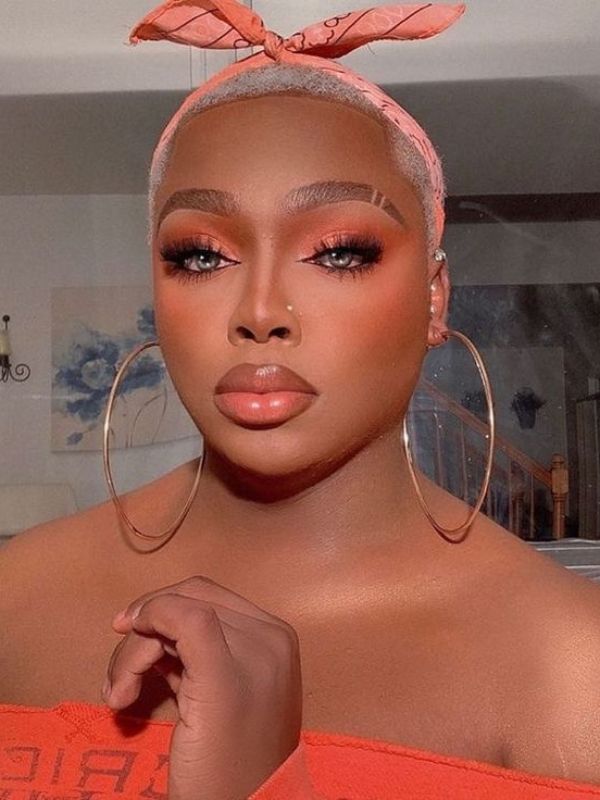
Coral is a beautiful colour family for anyone who enjoys bright, cheerful makeup. It combines pink and orange tones, creating a fresh appearance that can make your makeup look lively.
For the eyes, choose a coral or peachy-coral eyeshadow. Apply a light wash across the eyelids and blend a warm brown shade into the crease if you want more definition.
For the cheeks, use coral blush. You can apply it to the apples of your cheeks and blend it slightly upwards. If you’re going for a sun-kissed finish, a little colour across the bridge of your nose can also look pretty, provided you blend it softly.
Finish with coral lipstick or a peachy-coral lip gloss.
This combination is lovely for daytime events, holidays, summer celebrations, and outdoor gatherings.
Makeup artist tip: Coral can lean either pink or orange. Try to keep the undertones of your eyeshadow, blush, and lipstick in a similar direction so that the final result looks harmonious.
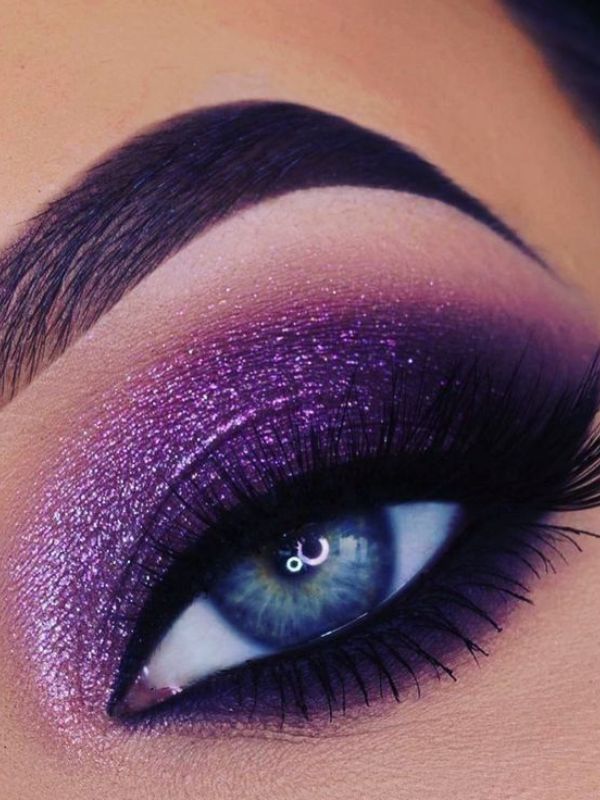
9. Plum Monochromatic Makeup
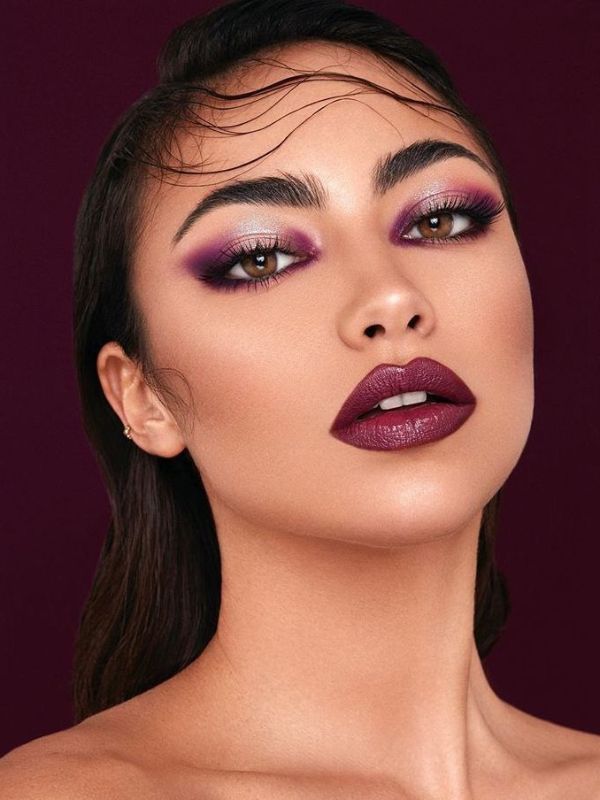
Plum is a wonderful choice when you want a deeper, more sophisticated makeup look. It has a mixture of purple and brown tones that can make the eyes and lips look beautifully defined.
Start with a plum or muted purple eyeshadow. Blend it across the eyelid and add a deeper plum-brown shade to the outer corner.
For the cheeks, choose a muted plum or berry blush. Apply it lightly because deeper blush colours can become intense very quickly.
For the lips, use plum lipstick. You can choose a soft plum-pink for a more wearable daytime look or a deeper plum for evening occasions.
If you want to make the makeup softer, use a glossy lip finish and keep the eyeshadow blended rather than sharply defined.
Makeup artist tip: Plum looks particularly beautiful when paired with a soft brown transition shade. It gives the eyes depth without making the purple tones look too harsh.
10. Nude Monochromatic Makeup
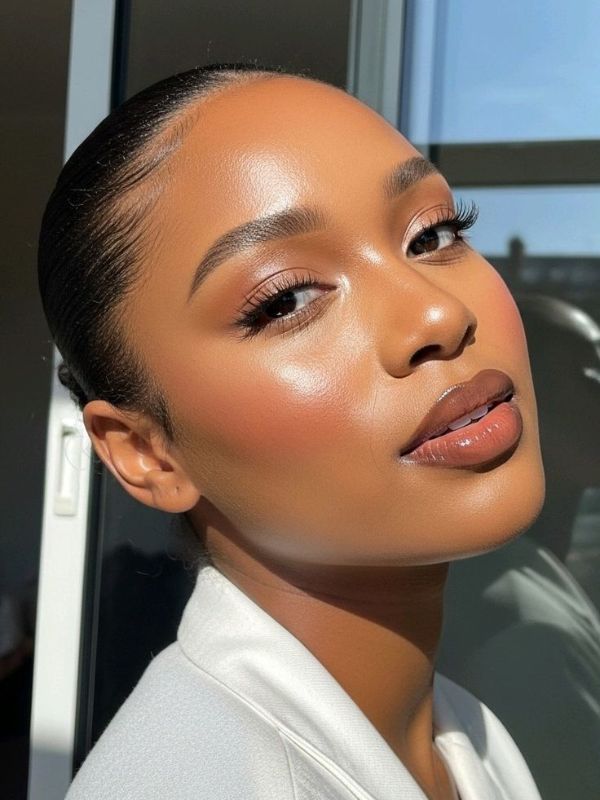
Nude monochromatic makeup is a classic option for women who prefer understated beauty. It may look simple, but there is plenty of room to create dimension with different beige, taupe, caramel, and rosy-brown shades.
For the eyes, apply a beige or taupe eyeshadow across the eyelids. Blend a medium brown shade into the crease and add a little champagne shimmer if you want a brighter finish.
For the cheeks, choose a nude blush that complements your skin tone. This might be a soft peach, rosy beige, or caramel-brown shade.
For the lips, use a nude lipstick with a suitable lip liner. If your lipstick is very close to your skin tone, a slightly deeper liner can help give your lips definition.
A little gloss in the centre of the lips will add dimension and make the look feel fresh.
Makeup artist tip: Don’t choose a nude lipstick simply because it is labelled nude. Check its undertone. A rosy nude, peach nude, or brown nude may look much more flattering than a shade that is too pale for your complexion.
11. Rose Gold Monochromatic Makeup
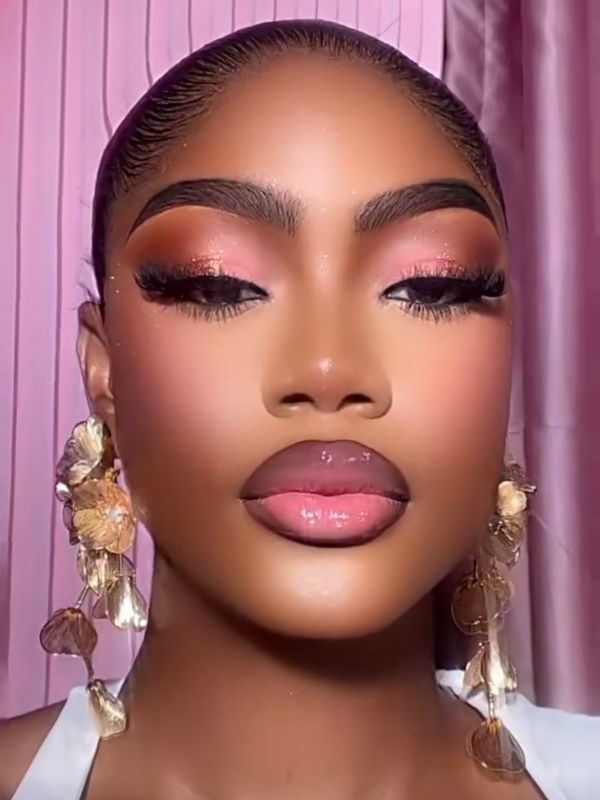
If you enjoy a little shimmer, rose gold monochromatic makeup is a beautiful way to experiment with the trend. It combines rosy pink, warm bronze, and metallic gold tones to create a look that feels feminine and glamorous.
For the eyes, start with a soft rose eyeshadow as your base. Add rose gold shimmer to the centre of the eyelid and blend a warm brown or deeper rose shade into the outer corners.
For the cheeks, choose a rosy blush with a subtle luminous finish. You can add a little highlighter to the upper cheekbones if you enjoy glowing makeup.
For the lips, use a rosy nude, pink-brown lipstick, or soft rose gloss.
The trick is not to make every product metallic. Let the eyes carry most of the shimmer while keeping the cheeks and lips softer.
This is a lovely option for weddings, birthday celebrations, dinner dates, and evening events.
Makeup artist tip: If your eyeshadow already has noticeable shimmer, choose a satin blush and a creamy lip finish. This gives you glow without making the entire face look overly shiny.
12. Bronze Monochromatic Makeup
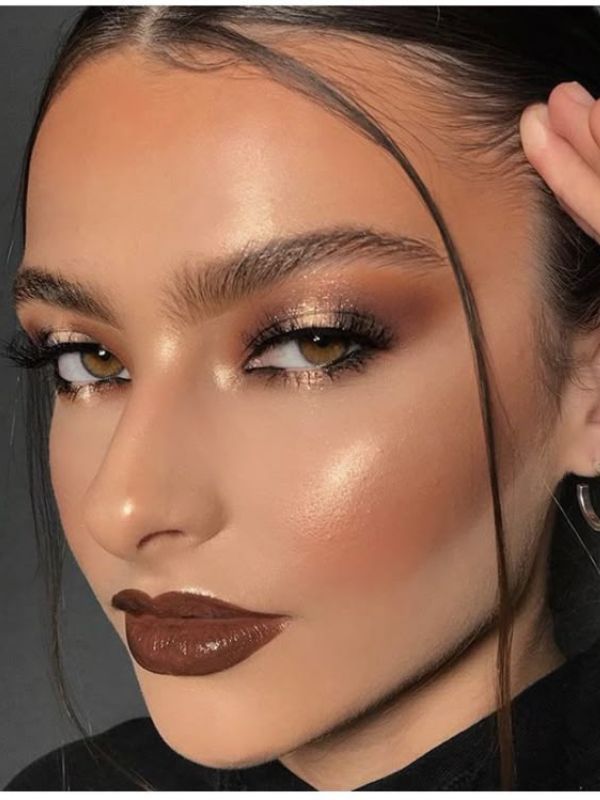
Bronze monochromatic makeup is perfect when you want warmth and definition without wearing several different colours.
It works beautifully for soft glam, evening makeup, holidays, and occasions when you want your skin to look warm and luminous.
Start with a bronze or copper-brown eyeshadow. Blend a deeper chocolate shade into the outer corners to create a little definition. You can also apply a soft bronze shimmer to the centre of the eyelid.
For the cheeks, choose a warm bronzed blush or a peachy-brown shade. Blend it gently so it adds warmth without replacing your natural cheek colour.
For the lips, choose caramel nude, warm brown, or bronze-rose lipstick.
If you want to make the look more glamorous, add mascara, softly defined eyeliner, and a little highlighter.
Makeup artist tip: Bronze makeup can look flat if every shade has the same metallic finish. Combine matte brown eyeshadow with a little bronze shimmer and a satin lip to create more depth.
13. Dusty Rose Monochromatic Makeup
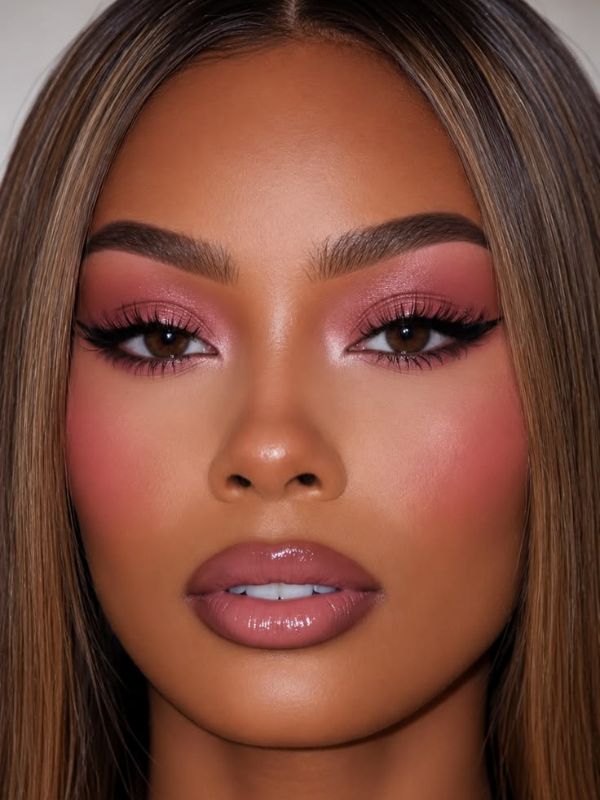
Dusty rose is perfect for anyone who loves pink makeup but prefers something muted and understated.
Unlike bright pink, dusty rose has a softer, slightly muted appearance. It can create a romantic makeup look without feeling too colourful.
For the eyes, apply dusty rose eyeshadow across the lids. Blend a slightly deeper rose-brown shade into the crease for definition.
Choose a dusty rose blush and apply it softly to the cheeks. A cream formula can give you a natural-looking finish, while a powder version allows you to build the colour gradually.
For the lips, use a dusty rose lipstick or rose-brown gloss. If you want more definition, add a coordinating lip liner.
This combination is particularly lovely for everyday makeup, engagement celebrations, weddings, and occasions when you want something soft but polished.
Makeup artist tip: Dusty rose looks beautiful with a little brown definition around the eyes. It keeps the makeup from appearing too pale and adds warmth to the overall look.
14. Cinnamon Monochromatic Makeup
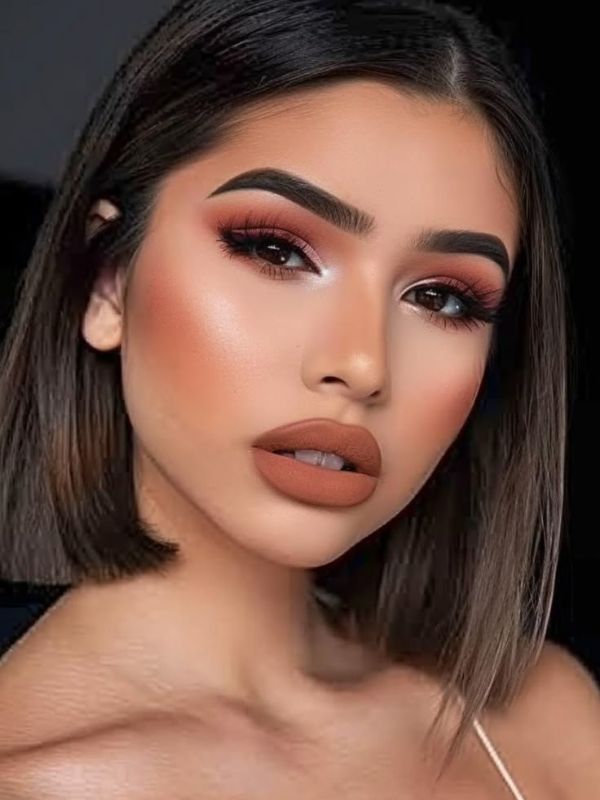
Cinnamon is a lovely colour family if you enjoy warm, earthy makeup but want something slightly different from traditional brown.
It combines reddish brown, warm caramel, and soft spice-inspired tones. Together, these colours create a beautiful, coordinated appearance.
For the eyes, choose a cinnamon or reddish-brown eyeshadow. Apply it across the lids and blend a deeper chocolate shade into the outer corners.
For the cheeks, use a warm cinnamon blush or a reddish-brown cheek colour. Apply it lightly and blend towards the temples.
Finish with cinnamon nude, warm brick, or caramel-brown lipstick.
You can make this look softer by choosing a glossy nude lip or more dramatic by using a deeper matte lipstick.
Makeup artist tip: If you have a warm cinnamon eyeshadow, try pairing it with a lipstick that has a similar reddish-brown undertone rather than a very cool pink-brown.
15. Soft Lavender Monochromatic Makeup
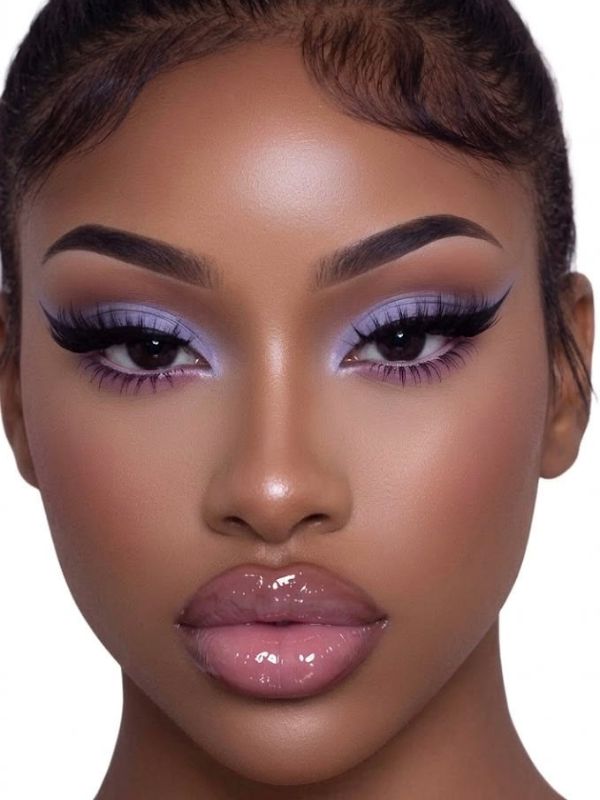
Lavender is a lovely option for anyone who wants to experiment with something a little different. It is softer than deep purple and can create a delicate, feminine makeup look.
For the eyes, apply a pale lavender eyeshadow across the lids. Blend a slightly deeper lilac or mauve shade into the outer corners. A little shimmer can make the eyelids look brighter.
For the cheeks, choose a soft cool pink or lavender-rose blush. Since lavender blushes can be quite distinctive, you can use a muted pink if you prefer something more wearable.
Finish with a cool pink, mauve-pink, or soft lilac-toned lipstick.
The important thing is to keep the colours gentle and blended. If you want a more noticeable look, you can deepen the eyeshadow while keeping the lips and cheeks soft.
This is a lovely choice for spring-inspired makeup, daytime celebrations, creative beauty looks, and anyone who enjoys experimenting beyond traditional pink and brown shades.
Makeup artist tip: Lavender can look quite cool, so consider adding a little neutral brown definition to the eyes if you want the overall look to feel less pastel.
What Is Monochromatic Makeup?
Monochromatic makeup is a makeup technique that involves using different shades of the same colour family across your eyes, cheeks, and lips. Instead of choosing completely unrelated colours for each feature, you create a coordinated look using tones that naturally complement one another.
For example, if you choose pink as your main colour, you might use pale rose eyeshadow, a slightly warmer pink blush, and deeper rosy lipstick. All three products belong to the pink family, but they don’t have to be identical.
The same principle works with brown, peach, coral, berry, mauve, terracotta, plum, and even lavender.
One thing I want to emphasise is that monochromatic makeup doesn’t mean your entire face should be covered in one flat shade. That would remove some of the dimension that makes makeup beautiful in the first place.
Think about how colours work together in an outfit. You can wear a light pink blouse with deeper rose trousers and a dusty pink handbag. The colours are connected, but they aren’t identical. The same idea applies to your makeup.
You can also combine different finishes. A matte eyeshadow, cream blush, and glossy lipstick can still create a beautiful monochromatic look as long as their colours complement one another.
This is why the technique works for so many different makeup styles. It can be soft, natural, glamorous, dramatic, or somewhere in between.
Why Is the Monochromatic Makeup Trending?
One reason monochromatic makeup appeals to so many beauty lovers is that it makes choosing colours less complicated.
Anyone who enjoys makeup knows how easy it is to purchase several beautiful products that don’t necessarily work together. You might have a gorgeous coral lipstick but struggle to find a blush that complements it. Or perhaps you have a beautiful pink eyeshadow palette but aren’t sure which lipstick will complete the look.
With monochromatic makeup, you have a starting point. Once you’ve chosen your colour family, the rest of your decisions become easier.
Another reason is versatility. You can wear soft peach makeup to brunch, muted brown makeup to work, or deeper berry shades for an evening event. You aren’t restricted to one particular colour or style.
It can also be budget-friendly. You don’t need a separate collection of products for every possible colour combination. A small eyeshadow palette, a versatile blush, and a few lip colours can help you create several looks.
The trend is also beginner-friendly. You don’t need advanced cut-crease techniques, complicated contouring, or perfectly drawn eyeliner. You can achieve a beautiful result simply by choosing complementary colours and blending them properly.
And then there is the finished appearance. When your eyes, cheeks, and lips share a similar colour direction, your makeup tends to look more connected. Nothing feels particularly out of place.
However, the real appeal is the freedom to make the look your own. You can follow the same colour family while changing the intensity, finish, and placement to suit your preferences.
How to Choose the Right Monochromatic Makeup Colours for Your Skin Tone
Before picking up your eyeshadow palette, blush, or favourite lipstick, spend a moment thinking about the colours you enjoy wearing and how their undertones work with your complexion.
Your skin undertone can be a helpful starting point. It is generally described as warm, cool, or neutral. However, these categories aren’t strict beauty rules. Anyone can wear any colour they love.
Warm Undertones
If your skin has golden, yellow, or peachy undertones, you may enjoy experimenting with warm colour families.
Some lovely options include:
- Peach and warm coral.
- Terracotta and burnt orange.
- Caramel and chocolate brown.
- Warm rose.
- Bronze and copper.
- Cinnamon and brick red.
For example, warm brown eyeshadow, peachy-terracotta blush, and caramel nude lipstick can create a beautifully coordinated look.
If you prefer pink, try a warm rose or peachy pink rather than automatically choosing a very cool pastel shade.
Cool Undertones
If your skin has pink, red, or bluish undertones, cooler shades may be a good starting point.
Consider:
- Dusty rose.
- Cool pink.
- Mauve.
- Berry.
- Plum.
- Soft burgundy.
- Lavender.
A mauve eyeshadow with muted rose blush and mauve-pink lipstick can create a romantic, polished appearance.
Neutral Undertones
Neutral undertones give you a little more flexibility because both warm and cool colour directions may work beautifully.
You can experiment with:
- Rose brown.
- Soft peach.
- Muted pink.
- Warm mauve.
- Nude beige.
- Muted berry.
- Soft terracotta.
You might prefer peach one day and rosy brown the next. Both can work depending on the look you’re creating.
Monochromatic Makeup for Deeper Skin Tones
If you have a deeper complexion, don’t assume that you need to stick to very pale or muted shades to achieve a natural-looking result.
Rich colours can be incredibly beautiful. Think chocolate brown, burnt orange, terracotta, deep berry, wine, warm rose, bronze, and plum.
For example, a deep terracotta blush with warm brown eyeshadow and cinnamon-brown lipstick can create a gorgeous coordinated appearance.
If you enjoy pink, experiment with raspberry, rose, fuchsia, or deeper berry pinks. You can also wear softer pinks if you prefer them. The important thing is choosing a formula and level of pigmentation that gives you the finish you want.
Another thing worth considering is how your products appear once blended. Some colours look very different in their packaging compared with how they appear on the skin.
Test your products in natural lighting when possible. This is particularly useful when purchasing blush and lipstick because their undertones can change the overall appearance of your makeup.
Monochromatic Makeup for Medium Skin Tones
Medium complexions can work beautifully with a wide range of colour families.
Peach, warm pink, mauve, terracotta, caramel, berry, and bronze are all worth exploring.
If you want a soft everyday look, try peach eyeshadow, warm peach blush, and nude lipstick.
For something deeper, chocolate eyeshadow, rosy-brown blush, and caramel lips can create a sophisticated finish.
Monochromatic Makeup for Lighter Skin Tones
For lighter complexions, soft pink, dusty rose, peach, taupe, and muted berry can create beautiful combinations.
However, don’t feel restricted to lighter shades. You can also wear deep plum, burgundy, and brown. The key is adjusting the intensity and blending the products to your preferred finish.
A soft rose eyeshadow with pink blush and berry-pink lipstick can look lovely, while a warm brown combination creates a more neutral appearance.
How to Create a Monochromatic Makeup Look Step by Step
Once you’ve chosen your favourite colour family, the next step is applying everything in a way that looks balanced.
The process isn’t particularly complicated, but the order of application and how you layer your products can make a difference.
If you are still getting comfortable with applying foundation, concealer, blush, and other makeup products, take a look at our makeup tutorial for beginners for a simple guide to building your makeup routine.
Step 1: Prepare Your Skin Properly
Beautiful makeup starts with properly prepared skin.
Begin by cleansing your face to remove excess oil, dirt, and any remaining skincare or makeup products. Follow with a moisturizer that suits your skin type.
If your skin is dry, a hydrating moisturizer can help your foundation sit more comfortably. If you tend to become oily, a lightweight moisturizer may be a better option.
Apply primer if you normally use one. Different primers serve different purposes, so choose one that works with your foundation and the finish you want.
Give your skincare time to settle before applying makeup. Rushing through several layers can sometimes cause products to pill or move around.
Don’t forget your lips. If they feel dry, apply a little lip balm while preparing the rest of your face. You can blot away any excess before applying lipstick.
Step 2: Apply Your Foundation and Concealer
Choose a foundation, skin tint, or tinted moisturizer that provides the coverage you prefer.
You don’t necessarily need full coverage for monochromatic makeup. A lightweight base can be enough if you want your natural skin to remain visible.
Apply concealer where you need additional coverage, such as under your eyes or around areas of uneven pigmentation.
Blend carefully so that there are no obvious lines between your foundation and concealer.
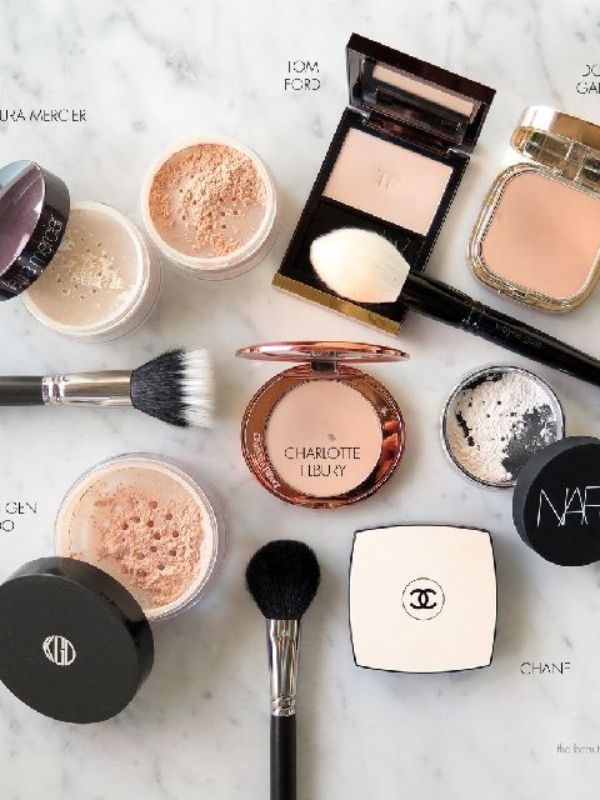
If your skin becomes oily, lightly set the areas where you tend to experience shine. You don’t need to powder your entire face if you prefer a more natural finish.
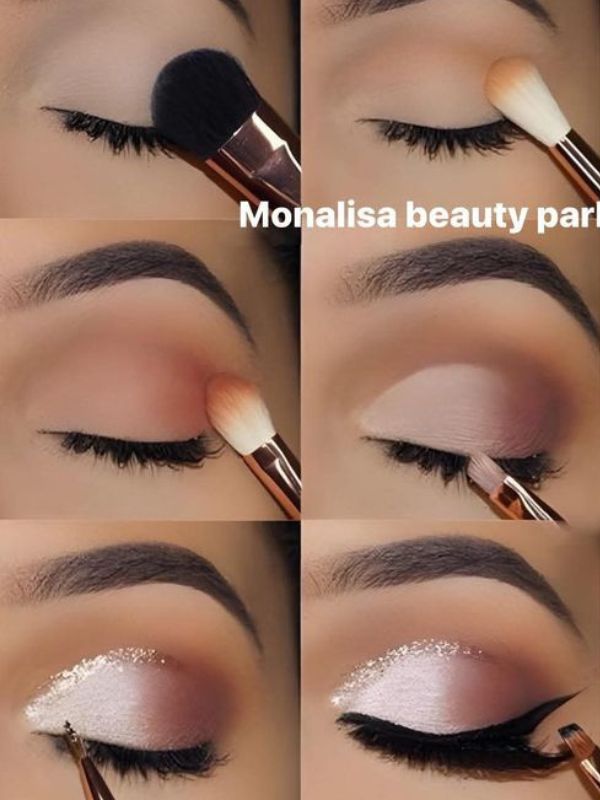
Step 3: Apply Your Eyeshadow
Your eyeshadow is where the colour story begins to take shape.
Start with a light shade from your chosen colour family. If you’re creating a pink look, for example, use a soft dusty pink or pale rose.
Apply it across your eyelid using a flat eyeshadow brush or your fingertip, depending on the formula.
Next, choose a slightly deeper shade and blend it into the crease or outer corner. This creates dimension without introducing an unrelated colour.
You can also add shimmer to the centre of the lid if you want your eyes to catch the light.
For brown makeup, caramel across the lid with chocolate brown in the outer corner works beautifully. For peach makeup, a soft apricot shade paired with warm brown definition creates a lovely combination.
The secret is blending the edges until the shades transition smoothly.
If you can see harsh lines where one colour stops and another begins, take a clean blending brush and soften them.
Step 4: Add Your Matching Blush
Blush is particularly important because it connects your eyeshadow to your lipstick.
Choose a blush that belongs to your selected colour family. It doesn’t have to be an exact match, but its undertone should complement the rest of your makeup.
For a natural flush, apply a small amount to the apples of your cheeks and blend upwards towards your temples.
If you’re using cream blush, tap it onto your skin with your fingers or a makeup sponge. Avoid dragging it aggressively across your foundation.
For powder blush, use a soft brush and remove excess product before applying it to your cheeks.
Here’s a little makeup artist tip: always begin with less blush than you think you need. It is much easier to add another layer than to correct two overly bright cheeks.
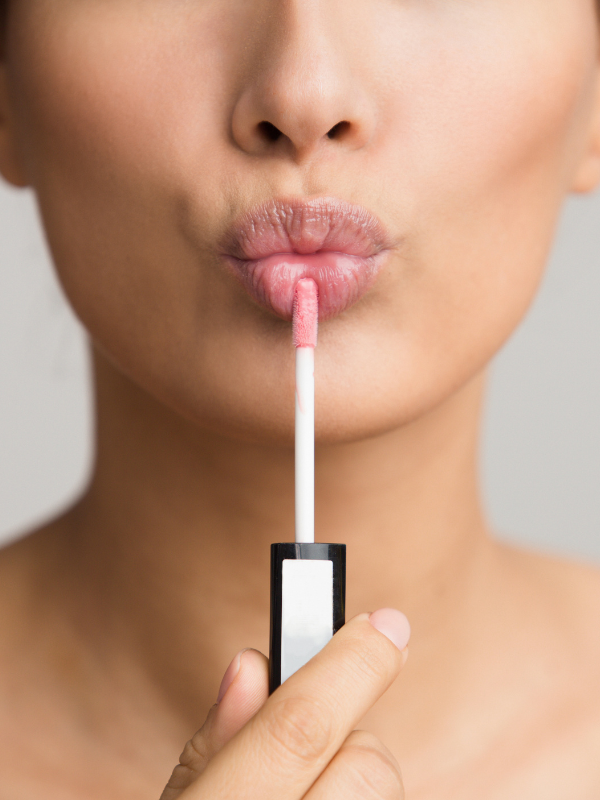
Step 5: Complete the Look With Matching Lipstick
Your lips are the final part of your monochromatic colour story.
Choose a lipstick that complements your eyeshadow and blush.
If you’ve gone for soft peach on the eyes and cheeks, a peachy nude or warm coral lip can bring everything together.
For pink makeup, you might prefer rosy lipstick. For brown makeup, a caramel nude or chocolate-toned lip colour can look beautiful.
If you want more definition, apply lip liner in a coordinating shade. You can blend the liner slightly into the lipstick to avoid a harsh outline.
A little gloss in the centre of your lips can add dimension, particularly if the rest of your makeup has a soft, luminous finish.
Step 6: Add Definition and Dimension
This is where you can make your makeup look more polished.
Apply mascara to define your lashes. If you enjoy eyeliner, use a brown or black liner depending on the intensity of your look.
You can also apply a little bronzer or contour if you want more dimension around your cheeks and forehead.
Highlighter is optional, but a small amount on the high points of the cheeks can complement a luminous monochromatic look.
Remember that these extra products should support your colour combination rather than compete with it.
Step 7: Check the Overall Balance
Before finishing your makeup, take a moment to look at your face as a whole.
Check whether your blush is too strong compared with your eyeshadow. See whether your lipstick is noticeably warmer or cooler than the rest of your makeup.
If one area looks too intense, soften it rather than adding more colour everywhere else.
You can also use a little setting spray to help the makeup settle.
Can You Create Monochromatic Makeup With Just One Product?
Absolutely, and this is one of the reasons the trend is so convenient.
You don’t always need a separate eyeshadow, blush, and lipstick to create a coordinated look. Some multi-purpose makeup products are designed to work on more than one area of the face.
For example, a cream colour stick labelled for cheeks and lips can give you a lovely starting point. Apply a little to your cheeks, blend it out, and use the same colour family on your lips.
Multi-use products are particularly helpful when travelling, getting ready in a hurry, or trying to keep your makeup collection simple.
However, there is something important to remember: not every lipstick, blush, or cream colour product is suitable for the eyelids.
The eye area is delicate, and certain cosmetic pigments and ingredients are not approved for use around the eyes. Always check the product’s intended applications and follow the manufacturer’s instructions.
If you want one product for all three features, look for one specifically formulated and labelled for use on the eyes, cheeks, and lips.
You can also create the same colour story using separate products. A powder eyeshadow, cream blush, and satin lipstick in similar rose shades can work beautifully together.
The colours connect everything, even when the formulas are different.
Cream vs Powder Products: Which Is Better for Monochromatic Makeup?
Both cream and powder makeup products can work beautifully for monochromatic makeup. The better option depends on the finish you enjoy, your skin type, and how comfortable you are applying each formula.
Cream Makeup Products
Cream blushes, eyeshadows, and multi-use sticks are lovely when you want a softer, more skin-like appearance.
They can be particularly useful for fresh makeup looks because many cream formulas blend into the skin without leaving an obvious powdery finish.
Some advantages include:
- Easy blending with fingers or a sponge.
- Buildable colour when applied in thin layers.
- A fresh-looking finish.
- Convenient application for everyday makeup.
- Multi-use options for suitable areas of the face.
Cream products are particularly lovely for peach, pink, and warm brown looks.
However, the formula matters. Some creams can move your base makeup if you rub them aggressively, while others may need setting to improve their wear time.
Powder Makeup Products
Powder products are another excellent option, especially if you prefer more control over colour placement.
Powder eyeshadows make it easy to layer different shades, blend colour through the crease, and create a more defined eye look.
Powder blushes are useful when you want to build colour gradually without adding too much moisture to your base.
Some advantages include:
- Easy layering and blending.
- A wide range of colour finishes.
- More control over placement.
- Convenient application with brushes.
- Useful for adding definition.
If your skin becomes oily throughout the day, you may also appreciate how certain powder formulas help create a less shiny finish.
Can You Mix Cream and Powder Makeup?
Yes, and you don’t have to choose just one formula.
For example, you could apply cream blush first and lightly set it with a coordinating powder blush. You could use a cream eyeshadow as a base and add powder eyeshadow to create depth.
Just be mindful of how much product you layer. Too many thick layers can make makeup look heavy or cause it to move around.
I prefer choosing formulas based on what each feature needs. You might enjoy a soft cream blush, powder eyeshadow for blending, and glossy lipstick to finish the look.
The colours are what connect everything, not the formulas.
How to Make Monochromatic Makeup Look Natural Instead of Too Matching
This is probably one of the most important parts of getting the trend right.
There is a difference between a beautifully coordinated makeup look and one that looks as though the same product has been applied to every part of the face.
The trick is to create variation while keeping the colours connected.
Use Different Shades Within the Same Colour Family
If you’re working with pink, you don’t have to use one exact pink everywhere.
Try dusty pink eyeshadow, rosy blush, and a slightly deeper pink lipstick. The shades complement one another without looking overly identical.
The same applies to brown. Caramel eyeshadow, warm brown blush, and chocolate nude lipstick can create a lovely combination.
Change the Intensity of Each Product
You can keep your eyeshadow quite sheer, apply a moderate amount of blush, and allow your lipstick to carry more colour.
This creates a natural balance because every feature doesn’t compete for attention.
If you love bold eyeshadow, you can reverse the approach by keeping your lips and cheeks softer.
Play With Different Finishes
Texture is a simple way to make monochromatic makeup more interesting.
For example, combine matte eyeshadow with satin blush and glossy lipstick. Or try shimmer on the eyelids, softly diffused cheeks, and a velvet-finish lip.
You still have one colour story, but the different textures create dimension.
Don’t Forget Your Lip Liner
A coordinating lip liner can make a big difference, especially when you’re wearing nude, brown, pink, or berry lipstick.
It gives your lips definition and can help connect your lipstick to the rest of your makeup.
Choose a liner that complements your lipstick rather than one that is dramatically darker, unless you’re deliberately going for that effect.
Blend Your Blush Properly
Blush should look like part of your makeup rather than a separate patch of colour sitting on top of your foundation.
Take your time blending the edges, particularly near your nose and temples.
If you’re using a stronger colour, work in thin layers and check your makeup in natural lighting.
Let One Feature Stand Out
You don’t have to make your eyes, cheeks, and lips equally noticeable.
If you love a deep berry lipstick, let it be the main attraction. If you’re wearing beautiful terracotta eyeshadow, keep the blush and lipstick softer.
This little adjustment can make your monochromatic makeup look much more sophisticated.
Monochromatic Makeup Mistakes to Avoid
Although this makeup trend is fairly easy to recreate, there are a few mistakes that can affect the final result.
Using the exact same shade everywhere: The idea is to coordinate, not necessarily duplicate. Using the same shade and intensity across your eyes, cheeks, and lips can make the makeup look flat. Instead, choose lighter and deeper versions of the same colour family.
Ignoring undertones: This is a common reason why a monochromatic look can feel slightly off. For example, a warm peach eyeshadow paired with a very cool mauve blush may not create the harmony you’re expecting. Check the undertones of your products before applying them together.
Applying too much blush: Blush can be surprisingly pigmented, particularly cream and liquid formulas. Start with a small amount, blend it, and build the colour if necessary.
Forgetting to blend your eyeshadow: Harsh eyeshadow edges can make an otherwise beautiful makeup look appear unfinished. Use a clean blending brush to soften the edges and help the different shades transition smoothly.
Choosing a lipstick that is too pale: A nude lipstick should complement your complexion and the rest of your makeup. If it is too pale or has an undertone that doesn’t work with your chosen colours, it can make the lips look disconnected.
Using too many different finishes: You can combine matte, satin, and glossy products. However, think about the overall finish. If everything is extremely matte, your makeup may look flat. If every product is intensely glossy, the result may feel overly shiny.
Applying products without checking their intended use: A lipstick isn’t automatically an eyeshadow, and a cheek product isn’t automatically safe for the eyelids. Always follow the product’s directions, especially when working around your eyes.
How to Wear Monochromatic Makeup for Different Occasions
One of my favourite things about monochromatic makeup is how easily you can change the look depending on where you’re going. You don’t need to learn an entirely new technique every time you have an event. You can simply change your colour family, adjust the intensity, and choose a different finish.
Everyday Monochromatic Makeup
For everyday makeup, I would lean towards soft pink, peach, nude, or warm brown.
You don’t need heavy eyeshadow or dramatic lipstick. A little colour across the eyelids, a natural-looking blush, and coordinating lip gloss can be enough.
If you’re going to work, running errands, or meeting a friend for coffee, this is the kind of look that feels polished without requiring too much effort.
Office and Work Makeup
For work, muted rose, mauve, and brown are lovely choices.
You can apply soft brown eyeshadow, rosy-brown blush, and nude lipstick. Keep the eyeshadow blended and the lips defined without making the colours too intense.
If you prefer a little more colour, dusty pink is another beautiful option.
Date Night Monochromatic Makeup
Date night gives you an opportunity to experiment with deeper colours.
Berry, plum, chocolate brown, and rose are particularly beautiful choices.
You could wear soft berry eyeshadow with deeper berry lipstick, or create a warm brown look with bronzed eyelids, caramel blush, and glossy brown lips.
Add a little eyeliner or fuller mascara if you want more definition.
Wedding Guest Makeup
For weddings, peach, rose, terracotta, and soft bronze combinations are beautiful choices.
For a daytime wedding, you might prefer peach eyeshadow, warm peach blush, and a glossy nude lip. For an evening celebration, deepen the eyeshadow and choose a richer rose or terracotta lipstick.
Evening and Party Makeup
If you enjoy dramatic makeup, don’t think monochromatic means you have to keep everything subtle.
Deep plum, burgundy, berry, and rich brown shades can create beautiful evening looks.
Try deeper eyeshadow, softly sculpted cheeks, and a statement lip from the same colour family.
You can also add shimmer to the eyelids or a little highlighter to the cheekbones.
Summer Monochromatic Makeup
Summer is a lovely time to experiment with coral, peach, and warm pink.
These colours create a fresh, bright appearance and work beautifully with lightweight foundation, cream blush, and glossy lips.
If you’re spending time outdoors, remember to wear sunscreen as part of your daytime skincare routine and choose makeup products that feel comfortable in the weather.
Makeup Products You Need to Create a Monochromatic Makeup Look
You don’t need to purchase an entirely new makeup collection to try this trend. Start with products you already own and see whether you can build a colour combination from them.
However, if you’re putting together a small collection specifically for monochromatic makeup, these are the essentials worth considering.
An eyeshadow palette: Look for a palette with several shades from one colour family. A pink palette, warm brown palette, or peach-toned palette can give you enough variety to create different levels of depth.
A cream or powder blush: Choose a blush that complements your favourite eyeshadow and lipstick shades. If you enjoy experimenting with different colour stories, having pink, peach, or neutral blush can be useful.
A lipstick: Your lipstick doesn’t have to match your blush exactly. Choose a shade that belongs to the same colour family and complements the overall look.
A lip liner: A coordinating lip liner helps define your lips and gives your lipstick a more finished appearance.
Foundation or skin tint: Choose a base product that provides the coverage and finish you enjoy. You can keep it lightweight or build up the coverage depending on the occasion.
Concealer: Useful for adding coverage where needed and brightening certain areas of the face.
Makeup brushes: A blending brush, eyeshadow brush, and blush brush can make application easier.
Beauty sponge: A damp beauty sponge can help blend foundation, concealer, and suitable cream products.
Setting spray: A finishing spray can help your makeup settle and may improve wear, depending on the formula.
If you’re working with a smaller budget, prioritise the colour products first. A beautiful blush, complementary lipstick, and small eyeshadow palette are enough to get started.
How to Make Your Monochromatic Makeup Last All Day
You’ve spent time blending your eyeshadow, getting your blush just right, and finding the perfect lipstick. Naturally, you want everything to stay looking lovely for as long as possible.
While no makeup routine is completely transfer-proof or guaranteed to last all day, a few habits can help improve its staying power.
Prepare your skin properly: Start with clean, moisturized skin. Choose skincare products that work well with your makeup and give them time to settle before applying your base.
Use a suitable primer: If you normally use primer, choose one that suits your skin and foundation. Different primers are designed for different finishes and concerns.
Apply thin layers: Avoid applying too much foundation, concealer, blush, or eyeshadow at once. Thin layers are generally easier to blend and build.
Set where necessary: If certain areas of your face become oily, lightly apply setting powder where needed. You don’t have to powder your entire face if you prefer a more natural finish.
Choose long-wearing lip products: If your lipstick tends to disappear quickly, consider a lip stain or longer-wearing formula. You can also use a coordinating lip liner underneath.
Carry a small touch-up kit: A compact powder, lipstick, and small mirror can be useful when you’re away from home.
One thing I wouldn’t recommend is repeatedly adding more product whenever your makeup begins to fade. Sometimes a gentle touch-up is all you need. Adding several layers of blush or powder can eventually make your makeup look heavy.
Why Monochromatic Makeup Works on Different Skin Tones and Ages
One of the most appealing things about this trend is that it isn’t limited to one complexion or age group.
The technique is about working with a colour family, and there are so many shades and finishes to explore.
For deeper complexions, rich berry, plum, chocolate, terracotta, copper, and warm rose can create beautiful results. You can also experiment with brighter pinks and corals if you enjoy more colourful makeup.
For medium complexions, peach, warm brown, mauve, rose, berry, and coral are lovely starting points. You can move between softer shades and deeper colours depending on the look you’re creating.
For lighter complexions, soft pink, peach, dusty rose, taupe, and muted berry can create beautiful tonal combinations. Deeper shades can also work wonderfully when blended to your preferred intensity.
And if you’re someone who prefers makeup that feels comfortable on mature skin, monochromatic makeup can be adapted to suit that preference too.
You might enjoy cream blush, lightweight base products, softly blended eyeshadow, and satin lipstick. Rather than applying heavy layers of powder or very intense shimmer, you can focus on textures that give you the finish you enjoy.
But don’t let age determine which colours you wear. If you love a bold berry lip or bright coral eyeshadow, there is no reason you cannot experiment with it.
The important thing is finding the right product, application technique, and intensity for your personal preference.
Frequently Asked Questions About Monochromatic Makeup
What is monochromatic makeup?
Monochromatic makeup is a beauty technique that uses shades from the same colour family on the eyes, cheeks, and lips. For example, you can combine pink eyeshadow, rosy blush, and pink lipstick to create a coordinated makeup look. The shades don’t need to be identical because using different depths and finishes helps add dimension.
How do you do monochromatic makeup?
Start by choosing a colour family, such as pink, peach, brown, mauve, or berry. Apply a complementary eyeshadow, blend a coordinating blush onto your cheeks, and finish with lipstick from the same colour family. Keep the shades connected but vary their intensity to create a balanced appearance.
What colours are best for monochromatic makeup?
Some of the most versatile colour families include pink, peach, coral, brown, terracotta, mauve, berry, plum, nude, and bronze. Your choice depends on the look you want to create. Soft pink and peach are lovely for fresh daytime makeup, while plum and berry are beautiful for deeper evening looks.
Can you use the same lipstick as blush and eyeshadow?
Some multi-purpose makeup products are designed for use on several areas of the face, but not every lipstick is suitable for the cheeks or eyelids. Always check the product’s instructions before using it in a different area. If you want one product for all three features, choose one specifically labelled as safe for the eyes, cheeks, and lips.
Does monochromatic makeup look good on everyone?
Monochromatic makeup can be adapted to different skin tones, undertones, ages, and makeup preferences. The secret is choosing colours and intensities that you enjoy wearing. You can experiment with warm browns, soft pinks, rich berries, and bright corals rather than following strict complexion-based rules.
Is monochromatic makeup suitable for everyday wear?
Yes! It is actually one of the easiest ways to create a coordinated everyday makeup look. Soft peach, pink, brown, and nude shades are particularly lovely for casual outings, work, and daytime activities. You can keep the application light and use a little gloss for a fresh finish.
What is the difference between monochromatic and natural makeup?
Monochromatic makeup focuses on using colours from the same family across different facial features. Natural makeup focuses more on creating a subtle appearance that enhances your features without looking overly dramatic. The two styles can overlap, but monochromatic makeup can also be bold, colourful, and glamorous.
Can monochromatic makeup be bold?
Definitely. Monochromatic makeup doesn’t have to be soft or neutral. You can create dramatic looks using red, plum, burgundy, deep berry, or rich chocolate shades. The key is to keep the colours within a similar family while adjusting their intensity to create balance.
Is monochromatic makeup suitable for dark skin?
Yes. Monochromatic makeup can look beautiful on deeper complexions. Rich brown, terracotta, plum, berry, bronze, warm rose, and coral shades are lovely options. The important thing is choosing colours with the depth and pigmentation you prefer rather than assuming that only light or muted shades will work.
What is the difference between monochromatic and monochrome makeup?
The terms are often used interchangeably in beauty conversations. Both generally describe a coordinated look built around one colour family. In makeup, this usually means using complementary shades across the eyes, cheeks, and lips rather than mixing unrelated colours.
How do I stop monochromatic makeup from looking too pink or too brown?
Use different shades and intensities within your chosen colour family. For a pink look, combine dusty rose eyeshadow with a softer blush and deeper rosy lipstick. For brown makeup, try caramel eyeshadow, warm brown blush, and chocolate nude lips. Different textures also help create dimension.
Can I wear monochromatic makeup without eyeshadow?
Absolutely. You can keep your eyelids simple and concentrate on coordinating your blush and lipstick. A little mascara and eyeliner are enough if you prefer a minimal look. The idea is to create colour harmony, not to follow a strict number of products.
Conclusion on the Monochromatic Makeup Trend
The monochromatic makeup trend is one of those beauty techniques that makes getting ready feel a little easier and a lot more creative. You don’t have to spend ages worrying about whether your eyeshadow, blush, and lipstick will work together because you already have a colour story guiding your choices.
Whether you love soft pinks, warm peach, rich browns, romantic mauve, or deeper berry shades, there is so much room to make this look your own.
My biggest advice is not to get too caught up in making every product match perfectly. Experiment with different shades, play with matte and glossy finishes, and adjust the intensity until everything feels balanced.
You might discover that a peach eyeshadow looks even prettier with a slightly deeper coral lip, or that your favourite brown lipstick works beautifully with a soft caramel blush.
And remember, you don’t need to buy fifteen new products to try something different. Start with the makeup you already have, choose a colour family you love, and see what you can create.
Sometimes, the prettiest makeup looks come from keeping things simple.
One Comment