Have you ever watched a makeup tutorial, noticed how beautiful the final look was, and suddenly felt like you needed every product the person used? That is how many beginners end up spending more money than they planned. You see a primer, a foundation, a contour stick, and a setting spray. Before you know it, your shopping list is getting longer, even though you are still trying to figure out what half of those products do.
I can relate to this because I have bought makeup products simply because I saw an influencer using them online. At the time, I thought I needed those products to achieve a beautiful makeup look. However, some of them ended up sitting in my makeup bag because I did not know how or when to use them. There are even products I have barely touched to this day.
The problem was not that those products were bad. I simply bought them before understanding their purpose or whether I actually needed them. Looking back, learning about makeup products and their uses would have helped me make better shopping decisions and avoid wasting money.
If you are a beginner, I want you to learn from that experience. You do not have to buy everything you see in a makeup tutorial or build a huge collection before you can create a lovely look. You just need to understand what each product does, how to use it, and which products are worth buying first.
In this guide, we will explore different makeup products and their uses, from foundation and concealer to eyeshadow, lipstick, and setting spray. You will also learn which products to prioritize, which ones you can skip for now, and how to shop for makeup without buying things you may never use.
If you are ready to learn how to apply these products, follow my makeup tutorial for beginners for a step-by-step guide.
What Are Makeup Products and Their Uses?
Makeup products are cosmetics used to add color, even out the appearance of the skin, define facial features, and create different looks. Some products provide coverage, while others add shine, color, or a finishing touch.
For example, foundation helps even out the appearance of your skin tone. Blush adds color to your cheeks, while mascara makes your lashes look darker and more defined. Setting powder helps set certain cream or liquid products and can reduce excess shine.
Understanding makeup products and their uses makes shopping much easier. Instead of buying something simply because it is popular, you can decide whether it will help you achieve the look you want.
Makeup products serve different purposes. Some are useful for everyday makeup, while others are better suited to glamorous looks, special occasions, or specific techniques.
Most importantly, you do not need every product to create beautiful makeup. A simple routine can look just as lovely as a more elaborate one when you know how to use the products you have.
Face Makeup Products and Their Uses
Face makeup products help create an even-looking complexion and add color, definition, and dimension to the face. However, you do not need to use every product in this category.
1. Face Primer
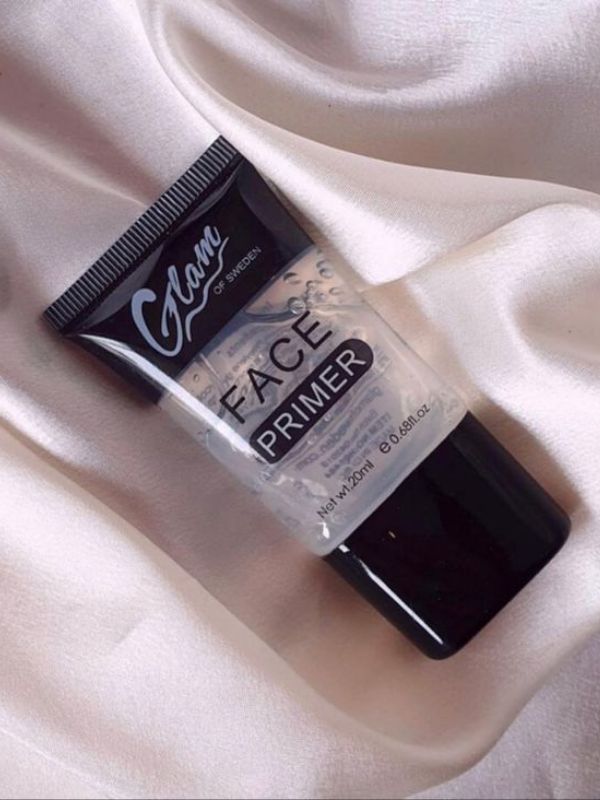
Face primer is applied after skincare and before foundation. Its main purpose is to prepare the skin for makeup. Depending on the formula, it can help smooth the appearance of the skin, add hydration, reduce visible shine, or help makeup wear more evenly.
There are different types of primers. Hydrating primers are designed to add moisture, while mattifying primers help manage excess shine. Smoothing primers can also help soften the appearance of pores and uneven texture.
However, a primer is not automatically necessary for everyone. If your skincare works well under your foundation and your makeup already lasts comfortably, you may not need one.
Beginner tip: Start with a primer only if you have a specific concern you want to address. Do not buy three different primers simply because beauty influencers use different formulas.
2. Foundation
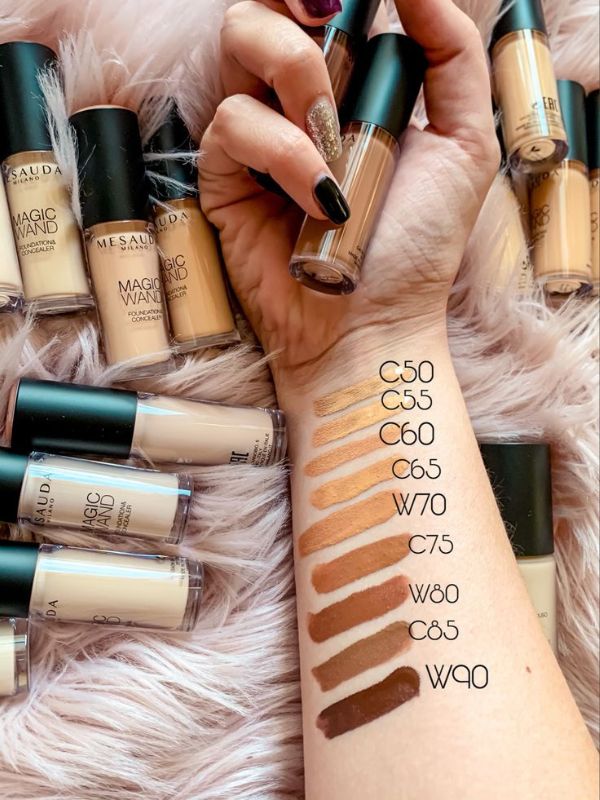
Foundation is one of the most familiar makeup products. It helps even out the appearance of the skin tone and provides a base for other face makeup.
Foundations come in different formulas, including liquid, cream, powder, and stick formulas. They also offer different levels of coverage.
Light coverage allows more of your natural skin to show through. Medium coverage provides more evening out, while full coverage conceals more discoloration and blemishes.
Foundations also have different finishes. Some look dewy, others look natural, and some provide a matte finish.
Choosing a suitable shade is important. A foundation that is too light or too dark can make the face look different from the neck. If possible, test a few shades along your jawline and check them in natural light.
Beginner tip: Choose a foundation that suits your skin tone, skin needs, and preferred finish. You do not need an expensive foundation or a full-coverage formula to get started.
3. Concealer
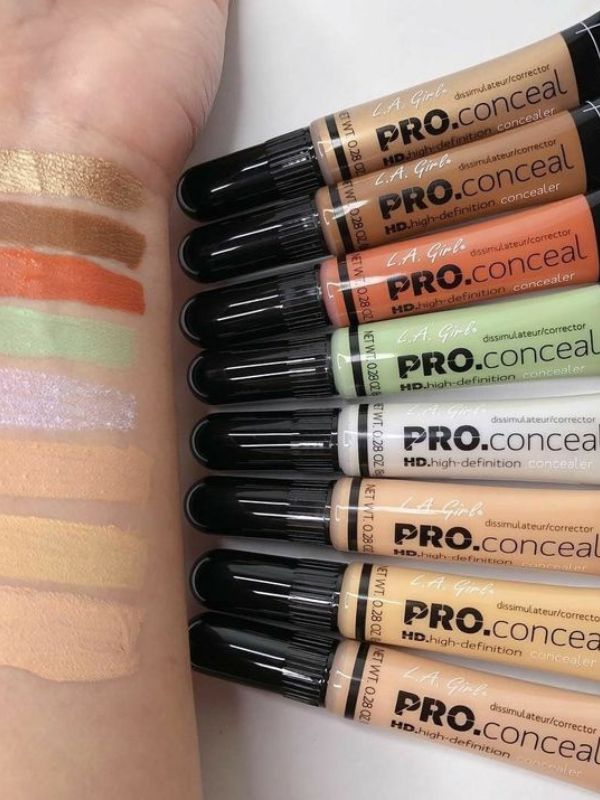
Concealer is used to cover specific areas of the face, such as blemishes, dark marks, or the appearance of darkness under the eyes. It can also brighten certain areas when you choose a shade lighter than your skin tone.
There is a difference between a concealer used for coverage and one used for brightening. A shade close to your skin tone is often more useful for covering blemishes naturally. A slightly lighter shade can brighten the under-eye area or other selected areas.
However, using too much concealer can make makeup look heavy, especially around the eyes.
Beginner tip: One suitable concealer may be enough for your routine. You do not need five shades just because a makeup tutorial uses several.
4. Setting Powder
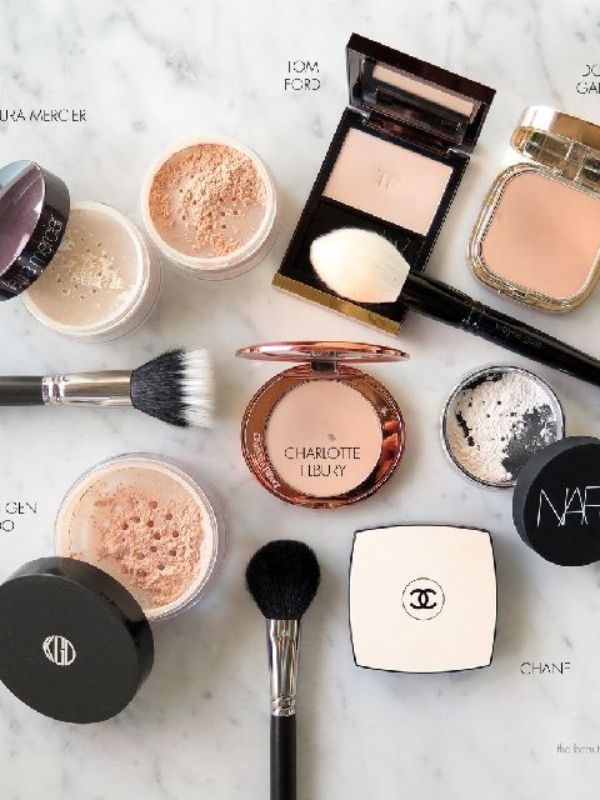
Setting powder helps set liquid and cream makeup, particularly foundation and concealer. It can also reduce excess shine and help prevent makeup from moving around.
Loose setting powder usually comes in a finely milled form, while pressed setting powder is compact and convenient to carry.
Some powders are translucent, while others have a tint that adds a little coverage or affects the final color of your makeup.
If your skin becomes oily during the day, setting powder may be especially helpful around the forehead, nose, and chin. However, applying too much can make the skin look dry or powdery.
Beginner tip: Start with a small amount and build up only where needed. You do not have to cover your entire face with a thick layer of powder.
5. Contour
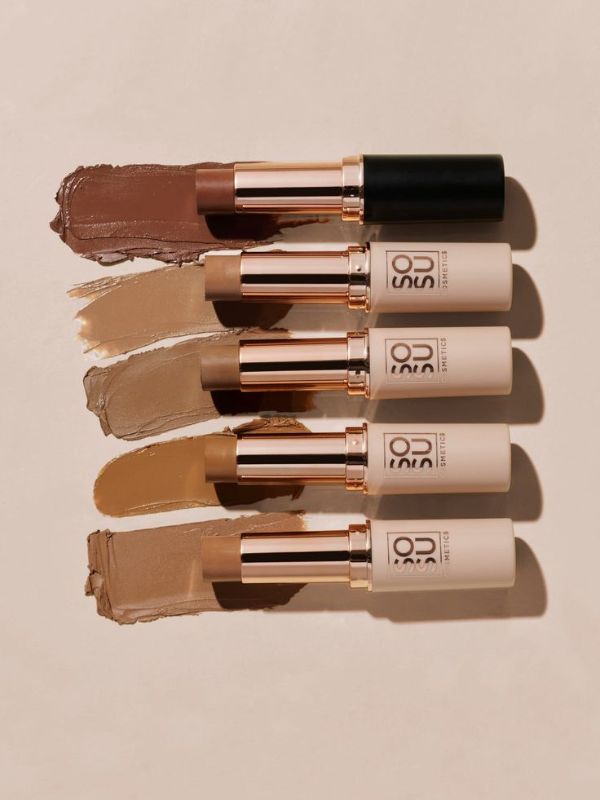
Contour is used to create the appearance of shadows and add definition to facial features. People often apply it around the cheekbones, jawline, sides of the nose, and forehead.
Contour products come in cream, liquid, stick, and powder formulas. They are usually chosen in shades that create a natural-looking shadow on the skin.
The purpose of contour is different from simply adding color. When blended well, it can create more definition without looking like an obvious stripe on the face.
However, contour can take some practice. Applying too much or choosing a shade that is too warm may make it look muddy.
Beginner tip: You can skip contour when you are starting out. Learn to apply your base makeup first, then experiment with contour if you enjoy a more sculpted look.
6. Bronzer
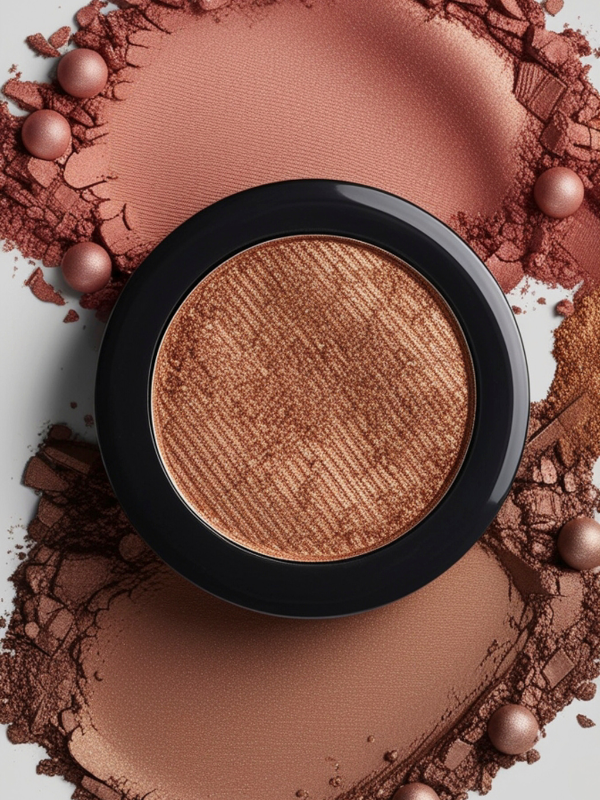
Bronzer adds warmth to the complexion. It can help the face look warmer and more sun-kissed.
Although contour and bronzer are sometimes used together, they have different purposes. Contour creates the appearance of shadows, while bronzer adds warmth.
Bronzers are available in powder, cream, and liquid formulas. Some have a matte finish, while others contain shimmer.
The right shade should add warmth without looking too orange or creating a noticeable contrast with the rest of your face.
Beginner tip: You do not need both contour and bronzer immediately. If you prefer a soft, warm makeup look, bronzer may be the product you enjoy more.
7. Blush
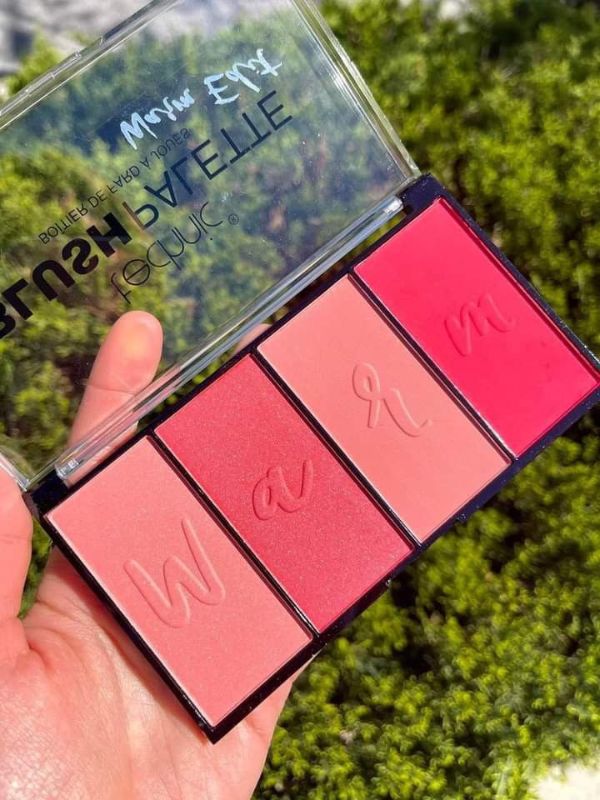
Blush adds color to the cheeks and helps create a fresh, lively appearance. It is available in powder, cream, and liquid formulas.
Powder blush is often easy to use over a powdered base. Cream and liquid blushes can provide a soft, skin-like finish, depending on the formula.
Blush comes in many colors, including pink, peach, coral, berry, and red. Different shades can create different effects, and the best choice depends on your skin tone and personal preference.
You can apply blush to the apples of your cheeks or blend it slightly upward toward your temples for a lifted appearance.
Beginner tip: Blush is a good product to experiment with because a little can make a noticeable difference. Start with a small amount and blend it before adding more.
8. Highlighter
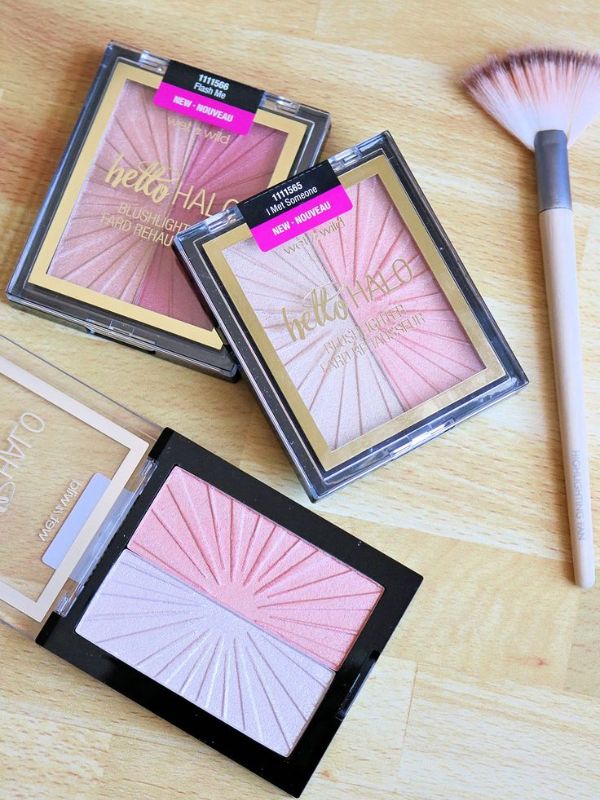
Highlighter adds light and shine to selected areas of the face. It is commonly applied to the tops of the cheekbones, the bridge of the nose, and the brow bone.
It comes in powder, cream, and liquid formulas. Some highlighters provide a subtle glow, while others have a more noticeable shimmer.
A highlighter can add a radiant finish to evening makeup or special occasion looks. However, it is not essential for a simple everyday routine.
Beginner tip: If you want a natural glow, choose a fine, subtle highlighter rather than one with large visible glitter particles.
9. Color Corrector
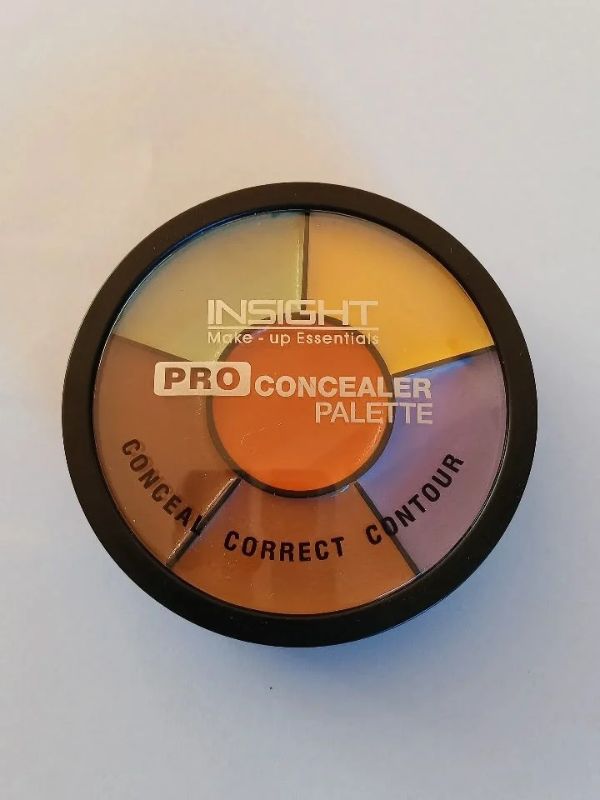
Color correctors help balance the appearance of certain discolorations before foundation or concealer is applied.
Different colors serve different purposes. Peach and orange correctors are often used to help neutralize the appearance of dark areas, depending on the skin tone and depth of discoloration. Green correctors can help neutralize the appearance of redness, while lavender correctors can help counter a sallow appearance.
The important thing is to use a corrector for a specific concern rather than applying several colors all over your face.
Beginner tip: You can skip color correctors if your foundation and concealer already provide the coverage you want. Buy one only when you understand the concern it is meant to address.
Eye Makeup Products and Their Uses
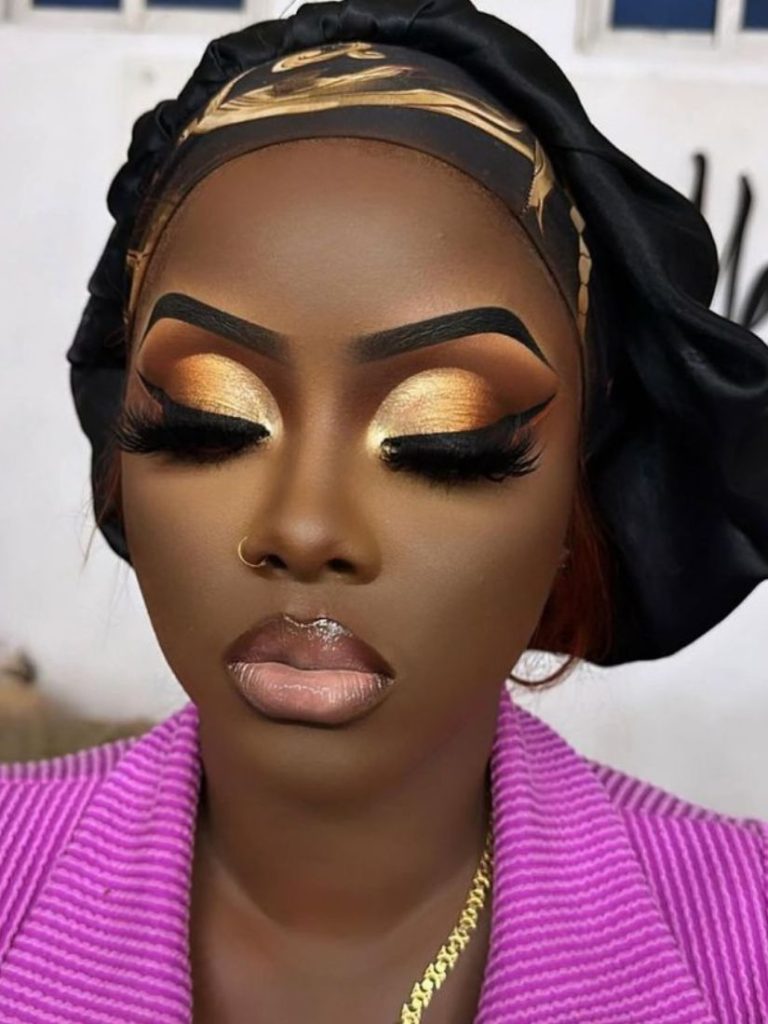
Eye makeup can change the appearance of a makeup look, even when the rest of the face is kept simple. You can create a soft everyday look or something more dramatic by using different eye products.
10. Eyeshadow
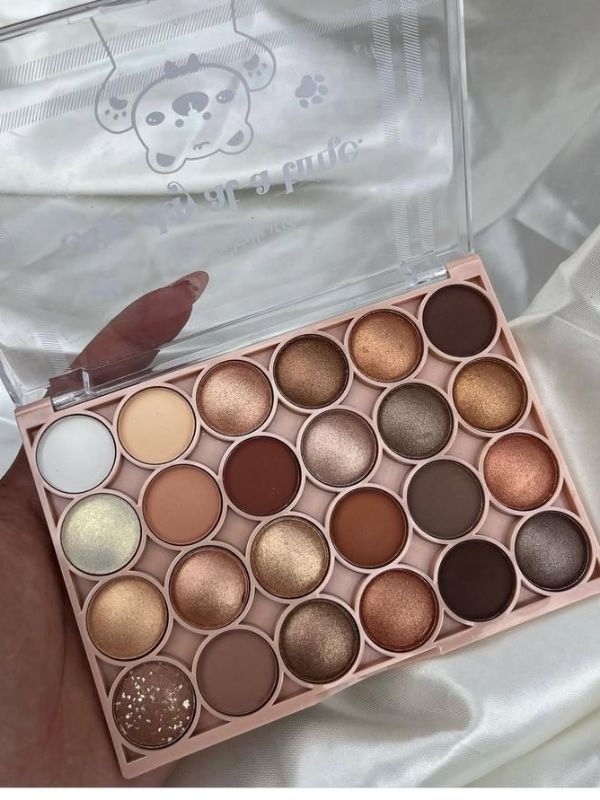
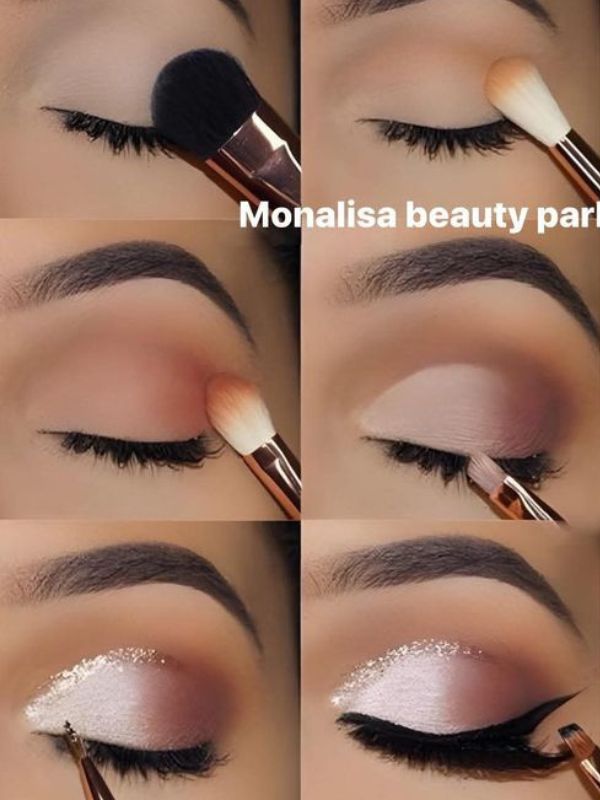
Eyeshadow adds color and dimension to the eyelids. It can make the eyes stand out and help create different makeup looks.
Eyeshadows come in powder, cream, and liquid formulas. They also have different finishes, including matte, shimmer, satin, and glitter.
Matte eyeshadows have little or no shine and are useful for creating soft definition. Shimmer shades reflect light, while glitter shades provide a more noticeable sparkle.
You can use a single shade across your eyelids or combine several colors to create a more detailed look.
Beginner tip: Start with a small neutral palette containing shades you can wear regularly. You do not need a large collection of colorful palettes before you learn how to blend eyeshadow.
11. Eyeliner
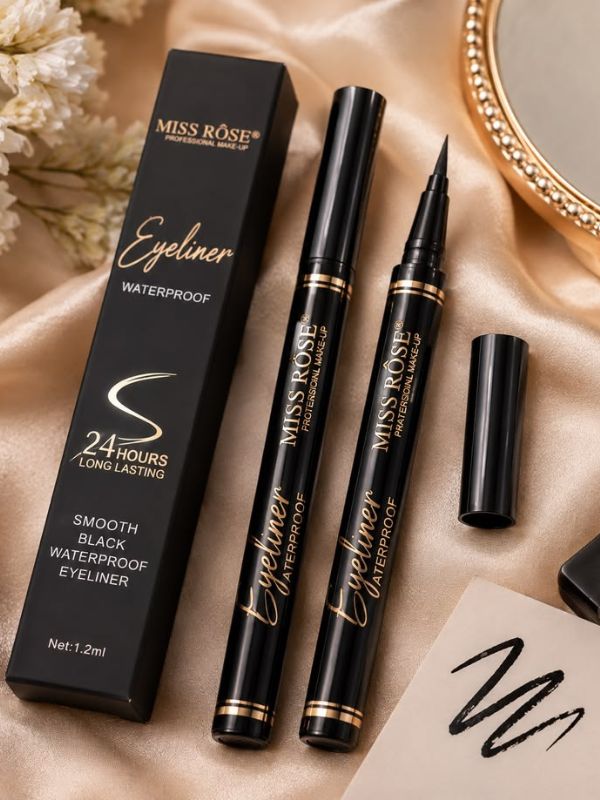
Eyeliner defines the eyes by adding color along the lash line. Depending on how you apply it, eyeliner can create a subtle everyday look or a dramatic wing.
There are different types of eyeliner.
- Pencil eyeliner is useful for simple lines and softer definition.
- Liquid eyeliner is often used for precise lines and winged looks.
- Gel eyeliner can provide a defined finish and is usually applied with a suitable brush.
Black and brown are popular choices, but colored eyeliners can also add interest to a makeup look.
Beginner tip: A pencil eyeliner is often a comfortable starting point because you can practice drawing a line before attempting a sharp wing.
12. Mascara
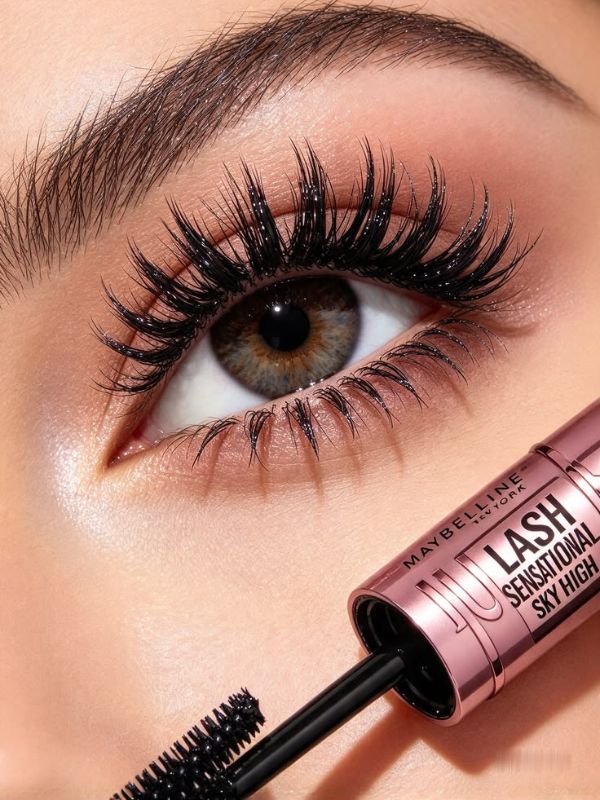
Mascara makes the eyelashes look darker and can add length, volume, or curl, depending on the formula and brush.
It helps define the eyes without requiring false eyelashes. Some mascaras are designed to separate lashes, while others focus on building volume.
To apply mascara, gently sweep the wand from the roots toward the tips of your lashes. Use light strokes and avoid repeatedly applying thick layers, as this can create clumps.
If you have sensitive eyes, pay attention to the formula and stop using a product if it causes irritation.
Beginner tip: Mascara is a useful option for beginners who want more defined eyes without learning complicated eye makeup techniques.
13. Eyebrow Pencil, Powder, and Gel
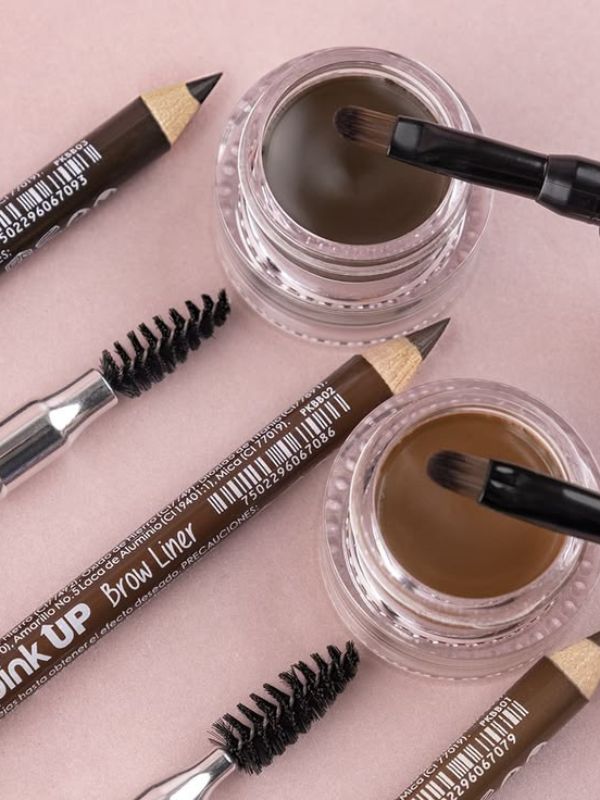
Eyebrow products help fill sparse areas, define the brows, and keep brow hairs in place.
An eyebrow pencil is useful for drawing small strokes that resemble natural hairs. Brow powder adds softer-looking color, while brow gel helps hold the hairs in a particular direction. Some gels also add color.
You do not need to use all three products together. Your choice depends on how full your natural brows are and how much definition you prefer.
Beginner tip: If your brows already have a good shape, a simple pencil or tinted gel may be enough. Use a light hand so the brows do not look too dark or harsh.
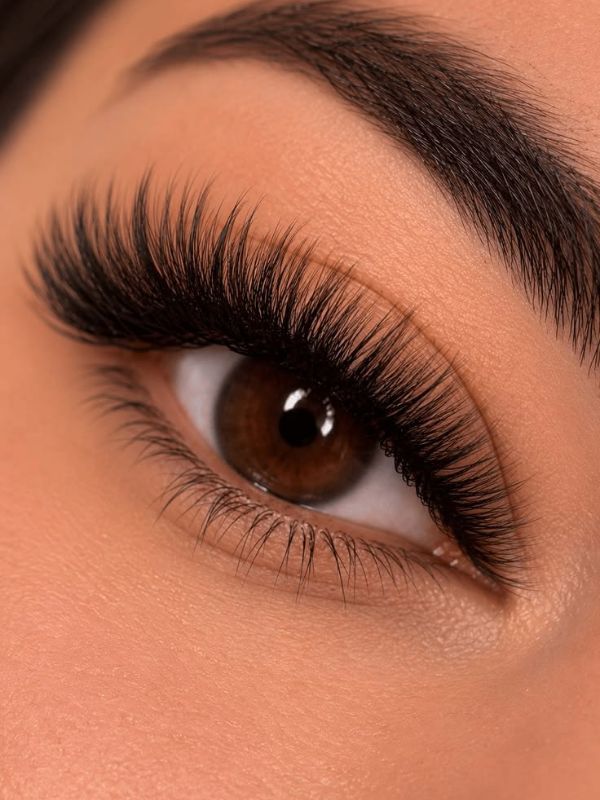
14. False Eyelashes and Lash Glue
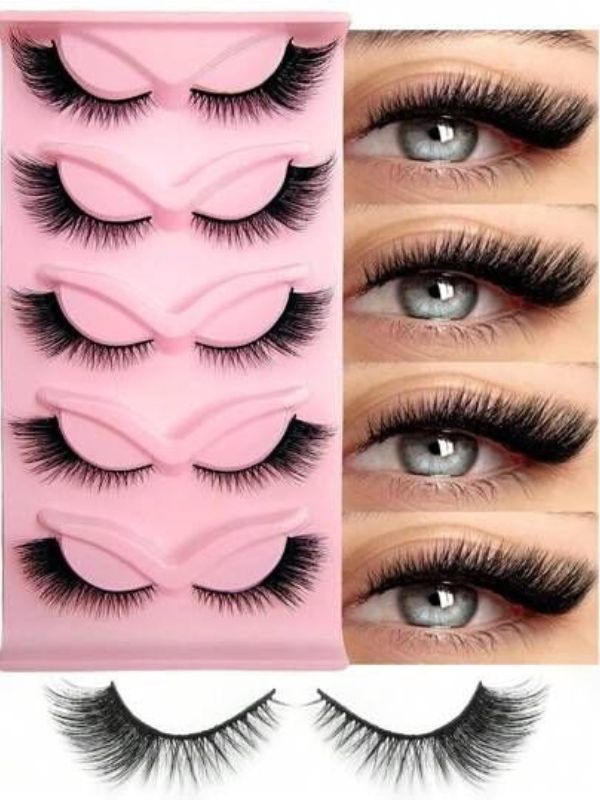
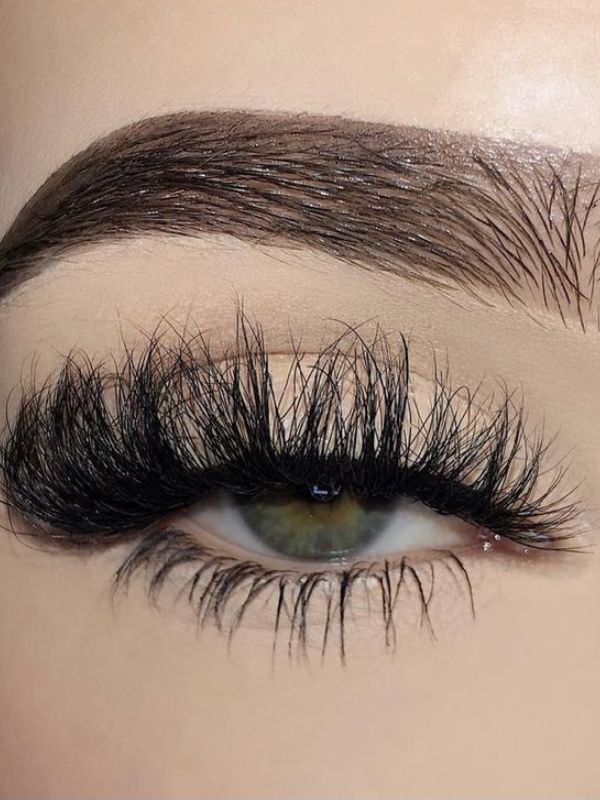
False eyelashes add extra length, volume, or fullness to the natural lashes. They come in different styles, from subtle lashes for everyday makeup to dramatic lashes for parties and special occasions.
Some are applied using lash glue, while others use a different attachment system.
False eyelashes can make eye makeup look more dramatic, but they may take time to apply correctly. You also need to choose an adhesive intended for use with false eyelashes around the eyes.
Avoid getting adhesive into your eyes, and remove the lashes gently instead of pulling them off forcefully.
Beginner tip: You do not need false eyelashes to complete a makeup look. Learn to apply mascara first, then try natural-looking false lashes when you feel ready.
15. Eyelash Curler
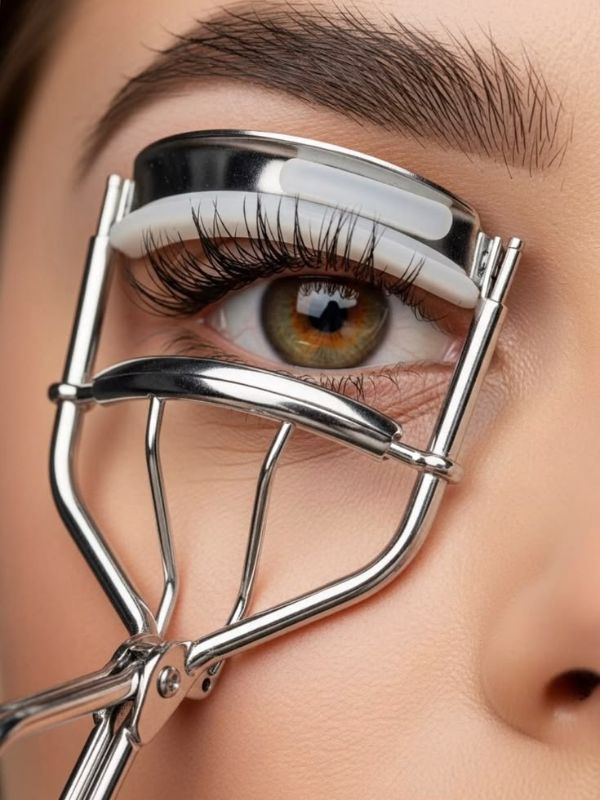
An eyelash curler is a makeup tool rather than a cosmetic product. It is designed to curl natural eyelashes and help them appear more lifted.
It is usually used before mascara. Place the lashes carefully between the pads, position the tool near the roots without pinching the skin, and squeeze gently.
Never use an eyelash curler carelessly or pull it away while the lashes are trapped.
Beginner tip: This tool is optional. If your lashes already curl naturally or you are not comfortable using one, you can leave it out of your collection.
Lip Makeup Products and Their Uses
Lip products add color, shine, and definition to the lips. You can create a simple look with one product or combine several products for a more detailed finish.
16. Lip Liner
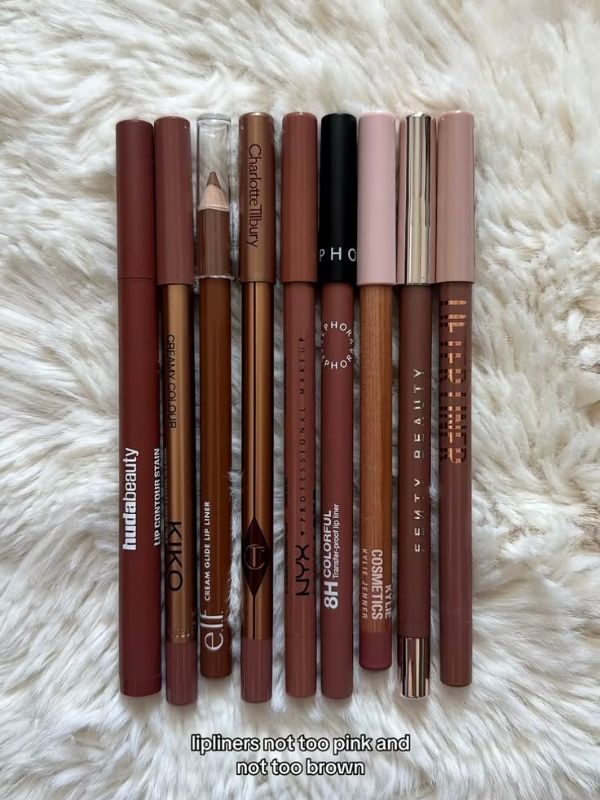
Lip liner defines the outline of the lips and can help lipstick look neater. It can also add depth to the lips or create the appearance of a fuller shape when applied carefully.
Lip liners come in different colors, from nude and brown to pink and red.
Some people use lip liner only around the edges of their lips. Others fill in the entire lip before applying lipstick or gloss.
Beginner tip: Choose a liner that works with the lip colors you wear most often. A versatile nude or brown shade can be useful if it complements your preferred lipstick shades.
17. Lipstick
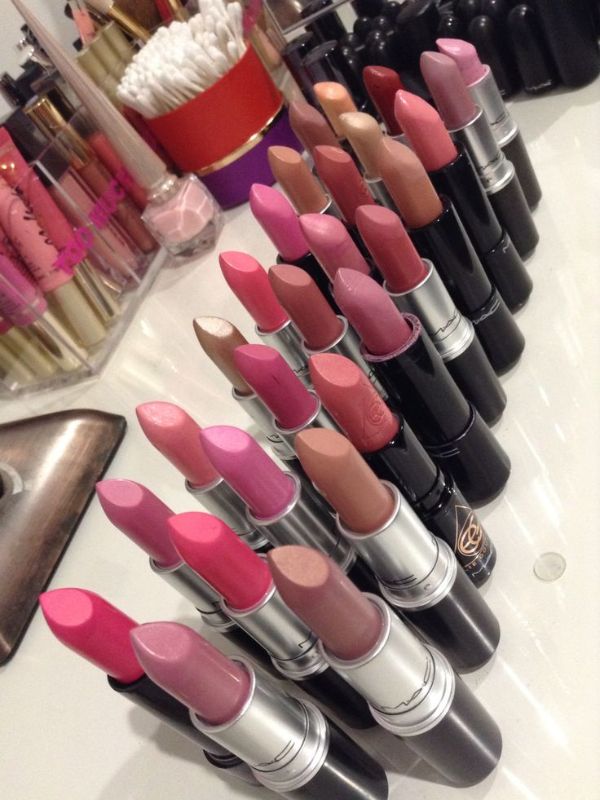
Lipstick adds color to the lips and comes in many shades and finishes.
Matte lipstick usually has little shine. Satin and cream lipsticks provide a softer finish, while glossy lipsticks add more shine.
You can choose a lipstick for everyday wear, work, parties, weddings, or other occasions. The shade and finish can change the overall appearance of your makeup.
Some matte formulas may feel dry, while creamier formulas can feel more comfortable. The best choice depends on your preferences and the product itself.
Beginner tip: Start with one or two shades you genuinely enjoy wearing. You can always add brighter or more dramatic colors later.
18. Lip Gloss
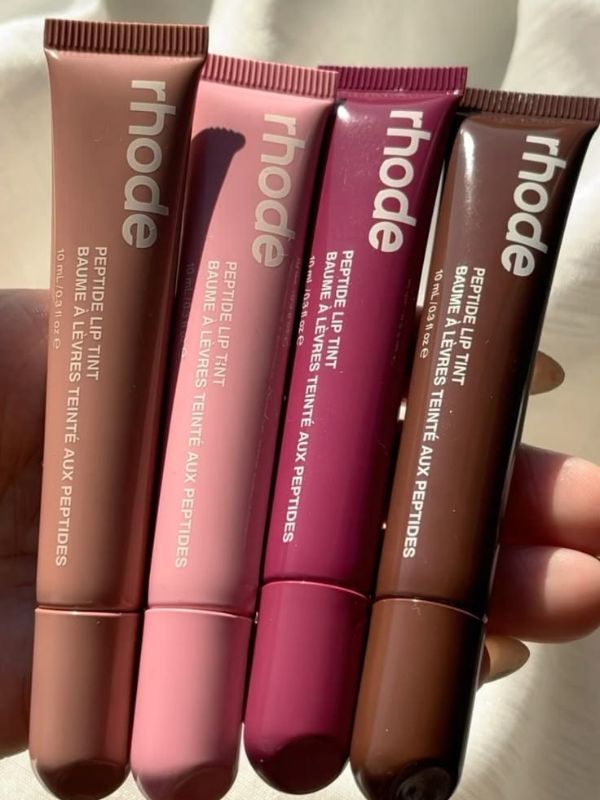
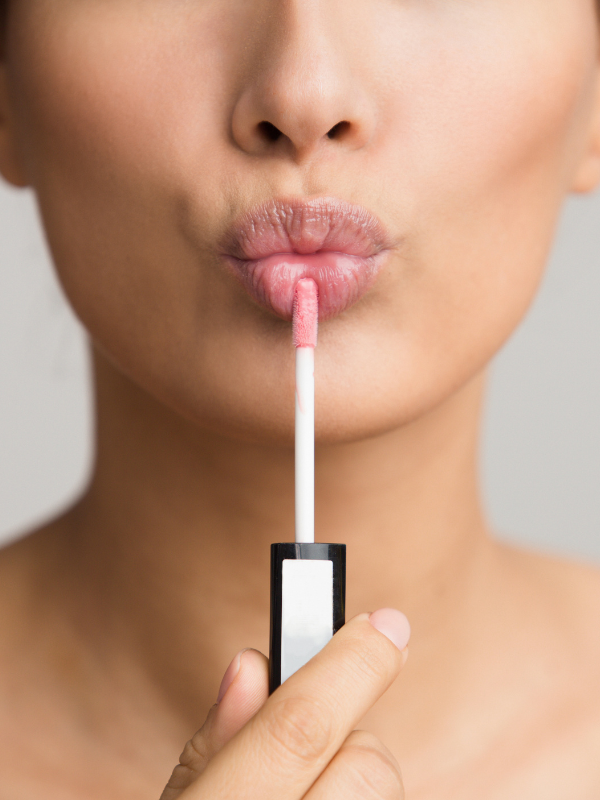
Lip gloss adds shine to the lips. Some glosses are clear, while others contain color or shimmer.
You can wear lip gloss on its own for a simple look or apply it over lipstick for a shinier finish.
However, gloss formulas vary. Some feel lightweight, while others may feel thicker or stickier.
Beginner tip: A clear or lightly tinted gloss can be a versatile first purchase. You do not need a large collection of glosses in similar shades.
19. Lip Balm
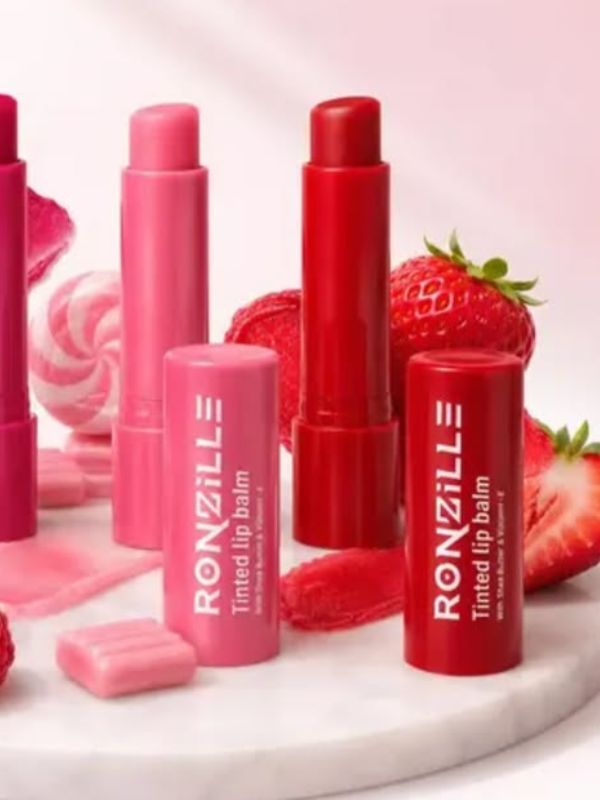
Lip balm helps moisturize the lips and reduce dryness. It can also make the lips feel more comfortable before applying lipstick.
Some lip balms are clear, while others contain a tint. Tinted lip balms are useful if you want a little color without the full appearance of lipstick.
A regular lip balm is not the same as a lipstick, although both can add some color depending on the formula.
Beginner tip: Keep a suitable lip balm in your makeup bag, especially if your lips tend to feel dry. If you wear lipstick often, preparing your lips can help the color apply more evenly.
Makeup Products That Help Your Makeup Last Longer
Some products are designed to help makeup wear well or improve its final appearance. Two common examples are setting spray and finishing powder.
20. Setting Spray
Setting spray is applied after makeup to help it wear well. Depending on the formula, it may help reduce the appearance of powderiness, provide a more natural finish, or improve the staying power of your makeup.
Some setting sprays focus on hydration, while others are designed for a matte finish or longer wear.
However, setting spray is not a guarantee that makeup will never fade, transfer, or crease. Results depend on the formula, your skin, the products underneath, and the conditions in which you wear your makeup.
Beginner tip: You can skip setting spray when you are starting out. If your makeup already lasts comfortably, there is no need to buy one just because it appears in every tutorial.
21. Finishing Powder
Finishing powder is generally used near the end of a makeup routine to refine the final appearance of the complexion. Depending on the formula, it may soften the appearance of texture or give the skin a smoother-looking finish.
Finishing powder is not always the same as setting powder. Setting powder is mainly used to set makeup and help manage shine, while finishing powder is often chosen for its effect on the final appearance.
Some products can serve both purposes, so check the instructions rather than relying on the product name alone.
Beginner tip: You do not need separate setting and finishing powders immediately. Start with one powder that works for your routine, then consider another only if you have a clear reason.
Makeup Tools Beginners Should Know About
Makeup products are only part of the process. You also need a few tools to apply and blend them comfortably.
Here are some useful options.
Foundation brush or makeup sponge: These can help blend liquid or cream foundation. A sponge may be used slightly damp when the product instructions allow it.
Powder brush: A large, fluffy brush helps apply loose or pressed powder over selected areas of the face.
Blush brush: This helps apply and blend powder blush without leaving harsh patches.
Eyeshadow blending brush: It helps blend eyeshadow and soften the edges between colors.
Small eyeshadow brush: This is useful for applying color to smaller areas of the eyelid.
Tweezers or lash applicator: These can help position false eyelashes when you decide to use them.
You do not need a brush set containing twenty or thirty brushes to begin learning makeup. A few useful tools can be enough for a simple routine.
Most importantly, clean your brushes and reusable sponges regularly. Dirty tools can collect oil, makeup residue, and other debris. Allow them to dry properly before storing them.
Which Makeup Products Should Beginners Buy First?
Now that you understand makeup products and their uses, you may be wondering which ones deserve a place in your first makeup bag.
My advice is to begin with the products that help you create the looks you actually want. You do not need to purchase everything in this guide at once.
Makeup Products to Start With
1. Foundation or another suitable base
Choose a base product that matches your skin tone and provides the coverage you prefer. You can also skip foundation if you are comfortable using only concealer or wearing little to no complexion makeup.
2. Concealer
Consider concealer if you want extra coverage for selected areas. It is optional if your base already gives you the result you want.
3. Setting powder
A setting powder may be useful if your makeup needs help controlling shine or setting concealer. Choose a formula that works for your skin and base products.
4. Blush
Blush adds color to the cheeks and can make a simple makeup look feel more complete.
5. An eyebrow product
Choose a pencil, powder, or gel based on your brows and the amount of definition you want.
6. Mascara
Mascara helps define your lashes without requiring false eyelashes.
7. A lip product
Choose a lipstick, gloss, or tinted lip balm that you enjoy wearing. You can add lip liner later if you want more definition.
These products can give you a useful starting point. You can add eyeshadow, eyeliner, primer, contour, or other products as you gain experience.
If you are putting together your first collection, check out these makeup products for a beginner’s makeup bag to help you decide what to buy first.
Makeup Products You Can Buy Later
Some products are nice to have but are not necessary for every beginner.
These include multiple eyeshadow palettes, several shades of concealer, contour sticks, bronzers, highlighters, color-correcting palettes, false eyelashes, and several types of setting spray.
You may eventually enjoy using these products. However, there is no reason to spend money on them before you understand their purpose or know how they fit into your routine.
Think about it this way. If you mainly wear simple makeup for everyday activities, you may not need the same collection as someone who regularly creates detailed glam looks.
Once you have chosen your essentials, learn how to build a simple makeup routine for beginners without making your everyday makeup complicated.
Your makeup bag should suit your life, not someone else’s tutorial.
Makeup Shopping Mistakes Beginners Should Avoid
If I could give a beginner one piece of advice before they start buying makeup, it would be this: understand the product before paying for it.
Here are some common mistakes to avoid.
1. Buying Products Just Because an Influencer Uses Them
This is an easy mistake to make. You watch a makeup tutorial, see a product that looks amazing, and immediately want to buy it.
However, the influencer may have different skin needs, more experience, or a completely different makeup style.
Before buying a product, find out what it does and decide if you actually need that result.
2. Buying Too Many Products at Once
It can be tempting to purchase an entire makeup collection when you are excited about learning.
The problem is that you may not know how to use everything yet. You may also discover that some products do not suit your preferences.
If your makeup collection is already getting crowded, here are practical tips to organize your beauty products without the clutter and make better use of what you own.
Start small. Learn to use what you own before adding more products to your collection.
3. Choosing the Wrong Foundation Shade
Foundation can look different under store lighting, indoor lighting, and natural daylight.
If possible, test the shade along your jawline and allow it to settle before deciding. Check the result in natural light and consider how it compares with your neck.
Do not choose a shade simply because it looks brighter or more flattering in a video.
4. Confusing Products That Have Different Uses
Setting powder, finishing powder, bronzer, and contour can seem similar when you first start learning makeup.
However, each serves a different purpose. Buying the wrong product can leave you disappointed because it does not produce the result you expected.
Learn the difference before adding it to your shopping list.
5. Buying Several Products That Do the Same Thing
You might already own a powder that works well, yet feel tempted to buy another because a beauty influencer recommends it.
A new product may have a different finish or formula, but that does not automatically mean you need it.
Before purchasing, ask yourself what the new product offers that your current one does not.
6. Spending Your Entire Budget on Makeup
It is easy to focus on buying cosmetics and forget about the tools needed to apply them.
You may also need makeup remover, cotton pads or reusable cleansing cloths, and suitable brush-cleaning supplies.
Plan your budget around the complete routine rather than spending everything on trendy products.
7. Ignoring Product Instructions and Hygiene
Always read the instructions on your makeup products. Pay attention to expiry guidance, storage conditions, and any warnings about use around the eyes.
Avoid sharing products that can spread germs, particularly mascara and other products used close to the eyes. Replace products that have changed in smell, texture, or appearance unexpectedly.
Good makeup habits matter just as much as choosing the right products.
How to Choose Makeup Products on a Beginner Budget
You do not need to spend a lot of money to start learning makeup. What matters most is choosing products that suit your needs and learning how to use them properly.
Here are a few practical ways to shop wisely.
Set a budget before shopping. Decide how much you can comfortably spend. Separate the products you need now from those you can buy later.
Make a shopping list. Write down the products you want and their purposes. This helps you avoid buying extra items simply because they catch your attention.
Choose versatile products. A neutral eyeshadow palette, a wearable lipstick, and a suitable base product can be useful for several occasions.
For inspiration when choosing shades for a softer look, explore these natural makeup looks for light skin.
Test shades when possible. Foundation, concealer, and other complexion products should suit your skin tone. Avoid buying a shade solely because it looks good on someone else.
Research before purchasing. Look at product descriptions, shade information, instructions, and reviews from people with similar needs. Remember that one person’s favorite product may not work the same way for you.
Build your collection gradually. Once you know how to use your current products, you can identify what is missing and make better purchasing decisions.
Most importantly, do not feel pressured to buy a new product every time a new makeup trend appears. You can learn a lot with a small, well-chosen collection.
How to Use Your Makeup Products in the Right Order
Knowing what each product does is important, but it also helps to understand how the products fit into a routine.
Here is a simple order you can follow when applying makeup.
- Prepare your skin. Cleanse, moisturize, and apply sunscreen during the day. Allow your skincare to settle before applying makeup.
- Apply primer if needed. Use it after skincare and before your foundation when the formula suits your routine.
- Apply foundation or your preferred base. Blend it evenly over the areas where you want coverage.
- Apply concealer. Use it on selected areas that need extra coverage or brightness.
- Apply cream products if desired. This may include cream blush, bronzer, or contour.
- Set selected areas with powder. Apply setting powder where your makeup needs it, rather than automatically using a heavy layer everywhere.
- Apply powder products if desired. Add powder blush, bronzer, contour, or highlighter as needed.
- Do your eye makeup. Apply eyeshadow, eyeliner, mascara, and brow products according to your preferred technique.
- Apply your lip products. Use lip liner, lipstick, gloss, or balm to complete the look.
- Finish with setting spray if desired. Follow the product instructions and allow it to dry.
This order is a useful starting point, not a strict rule for every product. Some people prefer doing their eye makeup before foundation, especially when using eyeshadow that may fall onto the cheeks.
Product formulas also matter. For example, many people apply cream products before powder products because powder can make it harder to blend creams smoothly over the skin.
With practice, you will discover which order works best for your products and the finish you want.
Frequently Asked Questions About Makeup Products and Their Uses
What makeup products does a beginner need?
A beginner can start with a suitable base product if desired, concealer if needed, setting powder if useful, blush, an eyebrow product, mascara, and a lip product. You can add other products as you gain experience.
What is the most important makeup product for beginners?
There is no single most important product for everyone. If you want an even-looking complexion, foundation or another base may be useful. If you prefer a simple look, mascara, blush, and lip gloss may be enough.
The best starting products depend on the makeup style you want to create.
What is the difference between foundation and concealer?
Foundation helps even out the appearance of the skin over a larger area, while concealer provides more targeted coverage for areas such as blemishes and under-eye darkness. Some people use both, while others prefer just one.
Do beginners need both setting powder and setting spray?
No. Setting powder and setting spray serve different purposes, but you do not need both to begin learning makeup. Choose based on your skin, the products you use, and how long you want your makeup to wear.
Is primer necessary before foundation?
Primer is optional. It may help with concerns such as excess shine, dryness, or the appearance of uneven texture, depending on the formula. If your foundation works well without primer, you may not need one.
What is the difference between contour and bronzer?
Contour creates the appearance of shadows and definition. Bronzer adds warmth to the complexion. You can use both together, but neither is essential for a beginner.
How many makeup products should a beginner own?
There is no fixed number. A beginner can create a simple makeup routine with a small collection of products. It is better to own a few products you understand and enjoy using than a large collection that stays untouched.
Can I do makeup without foundation?
Yes. You can skip foundation and use other products, such as concealer, blush, mascara, and lip color. You can also wear makeup without complexion products if that is your preference.
How do I know which makeup products are right for me?
Start by identifying the look you want, your skin needs, your preferred finish, and your budget. Learn what a product does before purchasing it, and add new products gradually as you discover what works for you.
Conclusion
Learning makeup can be exciting, especially when you start discovering products that help you achieve the looks you love. However, it is easy to get carried away and buy things you do not really need.
I know how tempting it can be to purchase a product simply because you saw an influencer using it. Sometimes, you may not even realize that you do not need it until it has been sitting in your makeup bag for months.
That is why understanding makeup products and their uses is so important. It helps you make better shopping decisions, learn how to apply your products, and spend your money on things you will actually use.
You do not need a professional makeup artist’s entire collection to get started. Begin with a few suitable products, practice using them, and add more when you have a reason to.
Your goal should not be to own the most makeup. It should be to understand the makeup you own and feel comfortable using it.

5 Comments