Finding the right foundation shade can take a little trial and error, especially when a shade looks perfect in the bottle but completely different once it is blended onto your face. You might pick a foundation that looks close to your skin on your hand, only to notice that it looks too orange around your chick, too light or slightly grey after blending. Sometimes, the shade seems to match your face, but your neck looks like it belongs to someone else.
These little frustrations are common, and they can make foundation shopping feel more complicated than it needs to be. Part of the problem is that choosing a foundation isn’t just about finding a color that looks similar to your complexion. You also need to consider your skin depth, undertone, the areas of your face that have different pigmentation and how the foundation looks once it settles on your skin.
Understanding these details can make it easier to narrow down your options instead of buying one shade after another and hoping the next one works. You don’t have to know every makeup term or have a perfect understanding of color theory to find a good match. A few practical steps can help you make a more informed choice.
In this guide, you’ll learn how to identify your skin tone and undertone, test foundation shades properly, shop for foundation online and make adjustments when a shade isn’t quite right. The goal is to find a Foundation Shade that looks natural, blends seamlessly and makes applying makeup feel a little less frustrating.
Understanding Skin Tone, Skin Depth and Undertone Before Choosing a Foundation
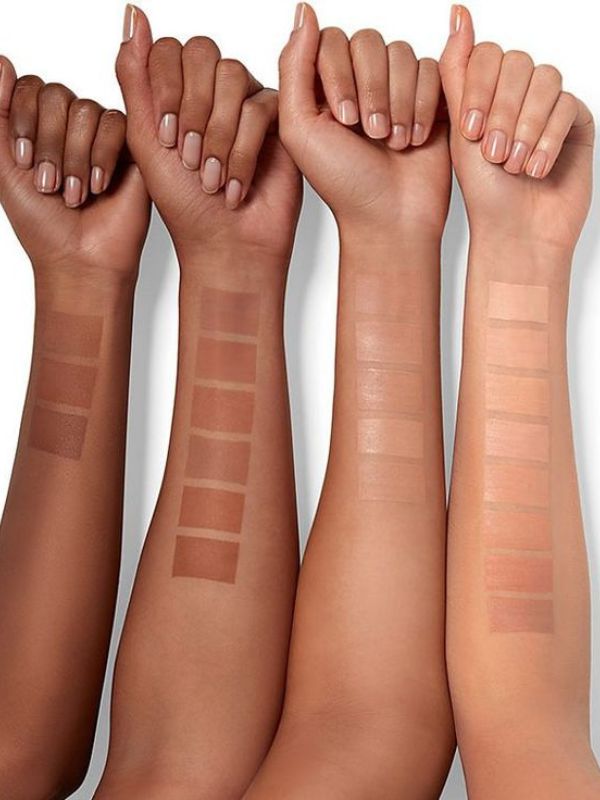
Before picking a foundation shade, it helps to understand the difference between skin depth and undertone. These two terms are often used together in makeup, but they describe different things. Understanding them can make it much easier to narrow down the foundation shades that are likely to work for you.
What Is Skin Tone or Skin Depth?
Skin depth describes how light or deep your complexion appears. Makeup brands use different descriptions to organize their foundation shades, but the categories generally range from fair to deep.
Here are some common skin depth descriptions:
- Fair: Very light skin that may appear pale or have pink, peach, yellow or neutral coloring.
- Light: Light complexions that are slightly deeper than fair skin.
- Light-medium: Complexions that sit between light and medium, sometimes with a subtle beige or golden appearance.
- Medium: Skin that falls around the middle of the complexion range, although the exact meaning varies between brands.
- Medium-deep: Complexions that are deeper than medium but not necessarily within the deepest foundation ranges.
- Deep: Richer, darker complexions with a variety of possible undertones.
- Very deep: The deepest complexion ranges offered by some foundation brands.
These categories are simply a starting point. There isn’t a universal chart that every makeup brand follows, so a shade described as medium in one brand may look more like light-medium or medium-deep in another.
When you’re trying to find your Foundation Shade, think of your skin depth as the first step in narrowing down the options. You may already know that your skin falls somewhere around medium, deep or light, but that information alone won’t tell you which foundation will look natural. You’ll still need to identify your undertone.
What Is a Skin Undertone?
Your undertone is the subtle color beneath the surface of your skin that contributes to the overall appearance of your complexion. It is different from the surface color you may see caused by redness, blemishes, sun exposure or dark spots.
Undertones are commonly grouped into three main categories: warm, cool and neutral. Olive is also widely recognized as an undertone characteristic, although makeup brands may categorize olive shades differently.
Warm undertones
Warm undertones are commonly associated with golden, yellow, peach or warm-looking hues. Foundation shades designed for warm undertones may be described as golden, warm, honey, yellow or peach, depending on the brand.
Cool undertones
Cool undertones are commonly associated with pink, rosy, red or bluish hues. Foundation shades for cool undertones may be labeled cool, pink, rosy or red.
Neutral undertones
Neutral undertones generally have a balance of warm and cool characteristics, or they may not have one undertone that stands out strongly. Neutral foundation shades are sometimes labeled neutral, balanced or N.
Olive undertones
Olive undertones can have a greenish, muted, greyish or golden-green appearance. Olive coloring can occur across different skin depths, from light to deep. Some makeup brands have dedicated olive shades, while others place olive complexions within warm or neutral shade ranges.
Why Skin Tone and Undertone Are Both Important
Imagine two people with medium-deep skin. One has a golden undertone, while the other has a more neutral or muted olive undertone. They may look similar in terms of how light or dark their skin is, but the same foundation may not work equally well for both.
A golden foundation may look natural on the first person but too yellow or orange on the second. A neutral foundation may work better for the second person, even though both have a similar skin depth.
This is why choosing foundation based only on how light or dark a bottle looks can lead to disappointment. You need to consider both the depth and the undertone of the shade.
Once you understand these two characteristics, you can begin narrowing down the foundation range and testing colors that are more likely to blend naturally into your skin.
How to Identify Your Skin Tone Before Looking for a Foundation Shade
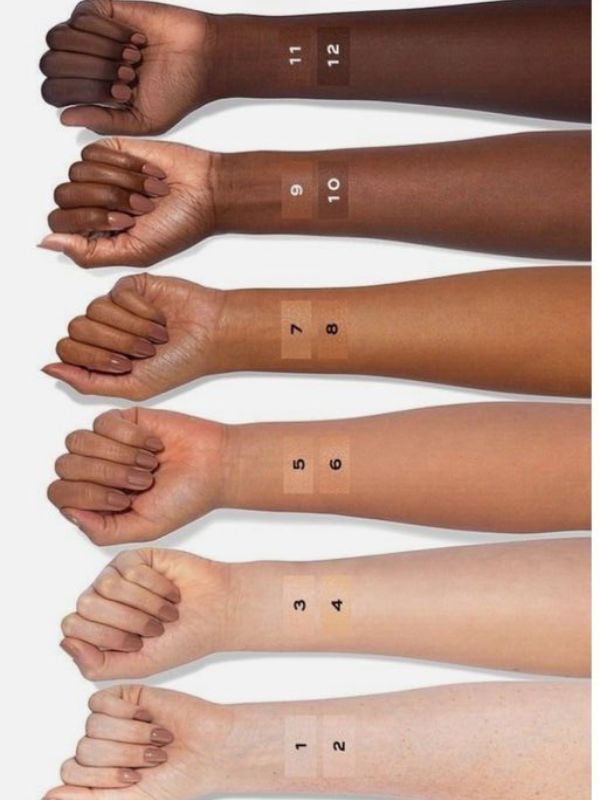
Knowing your general skin depth gives you a useful starting point when shopping for foundation. You don’t need to find an exact category immediately, but having an idea of where your complexion falls can help you avoid testing shades that are much too light or too deep.
Look at Your Face, Neck and Chest in Natural Light
Start by examining your complexion in natural daylight. Indoor lighting can make your skin appear warmer, cooler, brighter or darker than it really is. Fluorescent lights, warm bulbs and the lighting used in makeup stores can all affect how you see colors.
Stand near a window during the day, ideally where the light is bright but not direct sunlight. Look at your face, neck and upper chest together. This can help you get a clearer idea of your overall skin depth.
Pay attention to the areas that appear relatively consistent in color. The forehead, cheeks and chin may have different pigmentation, so it helps to look at more than one area.
For example, someone may have darker patches around the mouth and forehead but a lighter cheek area. If they use only the darker areas to choose foundation, the shade may look too deep across the rest of the face.
The aim is to understand the overall complexion rather than focusing on a single patch of skin.
Determine Where Your Skin Falls on the Skin Depth Scale
Once you’ve examined your skin in daylight, try placing it within a general skin depth category.
You may find that your complexion looks fair, light, light-medium, medium, medium-deep, deep or very deep. If you find yourself between two categories, that’s perfectly normal. Makeup shade ranges aren’t always precise enough to describe every complexion.
Instead of trying to force yourself into one category, think of it as a range.
For example, you might describe your complexion as medium to medium-deep. This gives you room to compare shades across both categories, especially when a foundation line has slightly different shade descriptions.
Your skin depth may also appear different depending on the season, lighting and sun exposure. A shade that works well during one part of the year may become slightly too light or too dark at another time.
Why Your Face May Be Lighter or Darker Than Your Neck
It’s common for the face and neck to have different pigmentation. This can happen for several reasons, and it doesn’t mean anything is wrong with your skin.
Sun exposure can cause some areas to become darker than others. Dark spots, acne marks, melasma, redness and other forms of uneven pigmentation may also affect the way your face looks.
Skincare products and habits can influence surface appearance as well. Some people apply sunscreen more consistently to their face than to other areas, while others may experience changes in pigmentation over time.
For instance, someone with darker forehead pigmentation may find that their forehead looks deeper than their neck, cheeks or chest. Another person may have redness around their nose and cheeks that makes the face appear pinker than the rest of their complexion.
These differences are important when choosing foundation because you may not want to match the darkest or reddest area of your face alone.
Should Foundation Match Your Face, Neck or Chest?
The goal is usually to create a natural transition between your face and the surrounding skin rather than making the face look like a completely different color.
The jawline is a useful place to test foundation because it allows you to see how the shade looks against both your face and neck. Your neck and upper chest can also provide useful reference points, particularly if your face has uneven pigmentation.
If your face is noticeably darker than your neck, a foundation that matches the face perfectly may create an obvious color difference. If your neck and chest are darker than your face, matching the face alone may make your complexion appear lighter than the rest of your body.
You may find that the best Foundation Shade is one that blends between these areas. It doesn’t have to match every part of your face, neck and chest perfectly, but it should look reasonably natural when you view your complexion as a whole.
This is also why makeup artists sometimes choose a foundation that balances the complexion rather than matching one specific spot.
If you prefer a foundation that matches your face closely, you can still use it. Just consider the overall effect, especially if you plan to wear makeup with an exposed neck or chest.
How to Find Your Foundation Shade Undertone
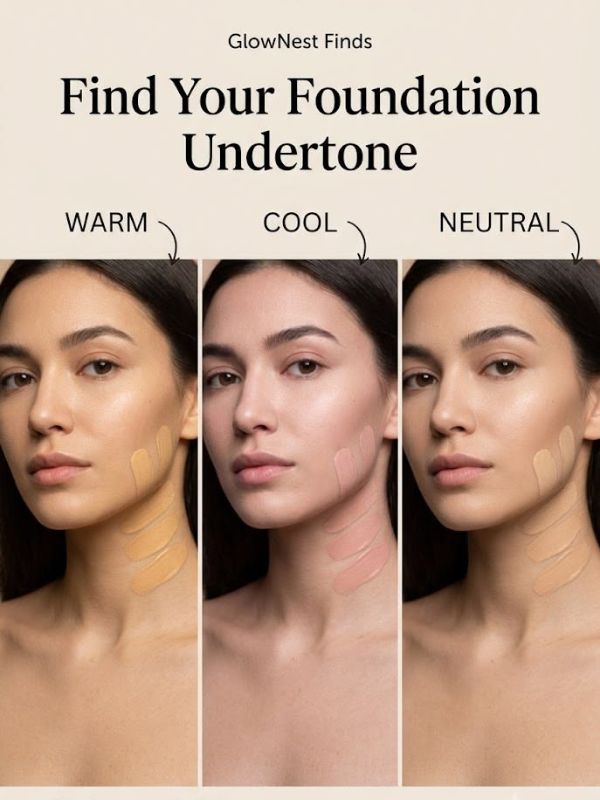
Once you’ve identified your approximate skin depth, the next step is figuring out your undertone. This can be one of the most confusing parts of foundation shopping because the descriptions used by makeup brands aren’t always consistent.
A foundation may be labeled golden, warm, neutral, cool, beige, peach or olive. The same label may also look slightly different across different brands. For that reason, undertone descriptions can help narrow your choices, but testing the foundation on your skin is still important.
How to Tell If You Have a Warm Undertone
Warm undertones are often associated with golden, yellow, peach or warm-looking coloring beneath the skin.
People with warm undertones may find that foundation shades described as warm, golden, yellow, honey or peach look more natural on their complexion. However, these labels aren’t interchangeable across every makeup line.
Warm undertones aren’t limited to light or medium skin. Deep complexions can have warm undertones too, including golden, red-brown, coppery or other warm characteristics.
A warm undertone doesn’t mean your skin must look yellow. Some warm complexions have subtle golden coloring that may not be obvious until you compare different foundation shades.
When testing warm foundation shades, look for one that blends naturally without making your face appear excessively yellow, orange or overly golden.
How to Tell If You Have a Cool Undertone
Cool undertones are commonly associated with pink, rosy, red or bluish hues beneath the skin.
Foundation shades described as cool, pink, rosy or red may be useful starting points for people who have cool undertones, although shade descriptions vary between brands.
Cool undertones can also occur in deep skin. Some deeper complexions have subtle cool, red or bluish characteristics, and a foundation with the right undertone may look much more natural than one that is overly golden.
If you notice that foundations with strong yellow or golden coloring look unnatural on your skin, you may want to test cooler or more neutral options at a similar skin depth.
The important thing is to avoid assuming that cool undertones are only associated with fair skin. Undertones can occur across the entire complexion range.
How to Tell If You Have a Neutral Undertone
Neutral undertones are often more difficult to identify because they may not have a strong pink, yellow, golden, red or other color appearance.
You may find that foundations labeled warm look too yellow, while cool foundations look too pink. Neutral shades may appear more balanced, making them a useful starting point.
Some people with neutral undertones can wear a range of foundation shades without noticing a dramatic difference, although that doesn’t mean every neutral foundation will work for them.
Neutral skin can also have subtle warmth or coolness. For example, a complexion may lean slightly golden but still look more natural in a neutral foundation than in a very warm shade.
When shopping, compare a neutral shade with a warm and cool option at a similar depth. You may be surprised by how much the undertone changes the overall appearance of the foundation.
What Is an Olive Undertone?
Olive undertones can be particularly difficult to match because many foundation ranges don’t offer enough olive shades.
Olive coloring may have a muted, greenish, greyish or golden-green appearance. It can be difficult to describe because olive skin doesn’t always look visibly green. Sometimes, the complexion simply appears less pink or less golden than the foundation shades available.
People with olive undertones may notice that many foundations look too orange, too pink, too yellow or too bright on their skin. A foundation can appear close in depth but still look unnatural after blending.
For example, someone with a medium olive complexion may try a medium warm foundation and find that it looks orange. A neutral foundation may look too pink, while a lighter shade may appear grey. This doesn’t necessarily mean the person has chosen the wrong skin depth. The foundation may simply have too much color saturation or the wrong undertone.
Muted or olive foundation shades may work better in these situations. Some brands offer dedicated olive shade options, while others may have neutral shades that work reasonably well.
When testing foundations, look for shades that blend without appearing overly pink, yellow or orange. If the shade seems close but slightly too warm, comparing a more muted or olive option may help.
Can You Have a Warm, Cool or Neutral Undertone With Dark Skin?
Yes. Dark skin can have warm, cool, neutral, olive and other undertone characteristics.
It’s a common mistake to assume that deep complexions automatically have warm or golden undertones. Some deep skin is golden, some is red, some is neutral, and some has muted or olive coloring.
For instance, two people with dark skin may use completely different foundation families. One may find that golden shades look natural, while another may prefer neutral, red-based or olive shades.
The same applies to lighter complexions. Fair skin isn’t automatically cool, and light skin isn’t always neutral.
Undertone is not determined by how light or dark your skin is. This distinction is important when shopping for foundation, particularly if you have a deeper complexion and find that many shades in a brand’s range look similar but don’t blend naturally.
How to Narrow Down Your Undertone When Foundation Labels Are Confusing
You don’t need to decide that you are definitely warm, cool or neutral before you begin testing foundation. If you’re unsure, start with your approximate skin depth and compare a few shades that have different undertones.
For example, if you’re looking for a medium-deep foundation, you could compare:
- A medium-deep warm or golden shade.
- A medium-deep neutral shade.
- A medium-deep cool or red-based shade, if available.
- A medium-deep olive or muted shade, if available.
Swatching these shades close together can help you see which color directions look most natural.
Rather than focusing only on the color in the bottle, observe how each shade looks against your skin after blending. A shade that appears slightly different in the bottle may look much more natural once applied.
The comparison process is often more useful than trying to identify your undertone through a single test.
Simple Ways to Determine Your Foundation Shade Undertone at Home
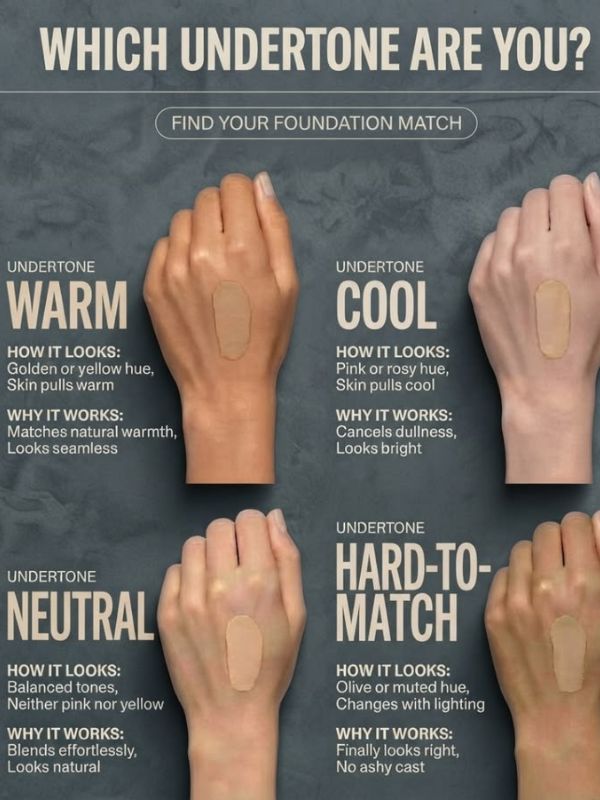
If you don’t have access to foundation testers or aren’t sure where to begin, there are a few ways to get clues about your undertone at home. These methods can help you narrow down your options, but they aren’t definitive tests. Skin color can be influenced by lighting, surface pigmentation, surrounding colors and personal perception.
Use several clues together rather than relying on one method to decide your undertone.
The Vein Test: Can Your Wrist Veins Help Identify Your Undertone?
The vein test is one of the most popular ways people try to identify their undertone. It involves looking at the veins on your wrist or the inner part of your arm and observing their color.
The commonly used guide suggests:
- Green-looking veins may suggest a warm undertone.
- Blue or purple-looking veins may suggest a cool undertone.
- A mixture of green and blue may suggest a neutral undertone.
To try this, look at your wrist in natural daylight. Avoid using a flashlight, colored light or bright artificial lighting that may alter how the veins appear.
However, this method isn’t always reliable. Vein color can be influenced by skin thickness, the way light interacts with the skin and the natural color of the blood vessels beneath it. People can also struggle to tell if their veins look blue, green or a mixture of both.
If your veins don’t seem to fit into one category, don’t worry. You don’t need to force an answer. The vein test is simply one clue that may help you begin narrowing down your foundation options.
The Gold and Silver Jewellery Test
Another popular method involves comparing gold and silver jewellery against your skin.
The idea is to notice which metal appears more harmonious with your complexion. Some people find that gold jewellery complements their skin more naturally, while others feel that silver looks better.
Traditionally, the guide suggests:
- Gold jewellery may look particularly harmonious with warm undertones.
- Silver jewellery may look particularly harmonious with cool undertones.
- Both gold and silver may look equally good with neutral undertones.
To try this, place a gold and silver piece of jewellery near your face or wrist in natural light. Ideally, compare similar pieces rather than a large gold necklace against a tiny silver ring, since size, design and brightness can affect your perception.
Notice how the colors look against your skin. Does one metal appear to complement your complexion more naturally, or do both look equally good?
This can be a helpful observation, but it isn’t a strict rule. Jewellery preference is also influenced by personal style, clothing, lighting and the colors you’re accustomed to wearing. Someone may prefer gold simply because they like gold jewellery, not necessarily because they have a warm undertone.
Use the result as a clue rather than a final decision.
The White Clothing Test
White clothing can sometimes help you notice undertone characteristics because it provides a neutral color for comparison.
Try wearing a plain white shirt or holding a piece of white fabric near your face. Look at your complexion in natural daylight.
You may notice that your skin appears slightly golden, pink, muted or balanced in comparison with the white fabric. However, this can be difficult to interpret, especially if the fabric is bright white, creamy white or has a slightly cool or warm cast.
The surrounding colors can also influence how your skin appears. A bright white fabric may make some skin look warmer, while a cream-colored fabric may create a different impression.
The test can help you observe your complexion, but it shouldn’t be used alone to determine your Foundation Shade.
How Your Skin Reacts to the Sun
Some people use their skin’s reaction to sun exposure as a clue when identifying undertones.
You may notice that your skin tends to tan, burn, become red or gradually deepen in color after sun exposure. These reactions can vary considerably between people and are influenced by factors such as skin pigmentation, genetics and the amount of UV exposure.
However, your reaction to the sun isn’t a reliable way to determine your undertone. People with different undertones can tan, burn or develop redness, and sun exposure can cause skin damage regardless of undertone.
Don’t deliberately expose your skin to sunlight to perform this test. If you’ve already noticed how your skin reacts during everyday activities, you can use that observation as a small piece of information, but it shouldn’t determine your foundation shade.
The Makeup Test: What Colors Look Harmonious on Your Skin?
The colors you naturally enjoy wearing in makeup may provide another clue about your complexion.
For example, you may notice that certain blushes, lipsticks or eyeshadow colors seem to complement your skin more easily than others. Warm peach, coral or golden colors may look appealing on some complexions, while rosy, berry or cooler pink shades may look more harmonious on others.
However, this doesn’t mean that your undertone dictates which makeup colors you’re allowed to wear. You can wear any color you like. Makeup is about personal expression, and a color can look beautiful even if it doesn’t follow traditional undertone recommendations.
Instead, use this observation to help understand the colors you tend to find flattering or harmonious when you’re shopping for foundation.
If you consistently notice that very yellow foundation looks unnatural but more muted or neutral shades blend better, that may be useful information when comparing complexion products.
Why You Should Not Rely on Just One Undertone Test
The vein test may suggest one undertone, while the jewellery test may leave you unsure. Your complexion may look slightly golden in one lighting condition but more neutral in another.
That’s normal.
These tests aren’t designed to provide a definitive diagnosis of your undertone. They can help you narrow down the possibilities, but foundation testing remains the most practical way to see how a shade looks on your skin.
Instead of spending too much time trying to label your undertone perfectly, use the clues you’ve gathered to choose a few shades for comparison. You may find your closest match more easily by looking at actual foundation swatches.
How to Test Foundation Shades Properly Before Buying
Testing foundation properly can save you from buying a shade that looks beautiful in the store but doesn’t work once you get home. The trick is to test the foundation in a way that allows you to compare its depth and undertone against your complexion.
Finding the right foundation shade is an important part of creating a natural-looking makeup base, and learning how to apply your products properly can make the process easier. This makeup tutorial for beginners walks you through the basic steps of applying makeup, from preparing your skin to blending foundation and applying concealer.
If you’re shopping in a store, don’t feel pressured to choose the first shade that looks close. A little comparison can make a noticeable difference.
Why Swatching Foundation on Your Hand May Not Give You the Right Match
It’s tempting to swatch foundation on your hand or wrist because these areas are easy to reach. Many people do this when they are shopping, especially if they don’t want to apply makeup directly to their face.
However, the skin on your hand may not have the same pigmentation as your face, neck or chest.
Your hand may be lighter, darker, more exposed to the sun or have a different surface appearance. A foundation that blends into your hand may look too light, too dark or have the wrong undertone once applied to your face.
This is why hand swatches can be useful for comparing the texture or general color of a product, but they shouldn’t be the final deciding factor when choosing a Foundation Shade.
If you’re trying to find a shade that looks natural on your face, test it closer to the area where you’ll actually wear it.
Where to Apply Foundation When Testing Shades
The jawline is one of the most useful areas for testing foundation because it allows you to see how the color transitions between your face and neck.
Start by choosing two or three foundation shades that appear close to your skin depth. Ideally, the shades should have different undertones so you can compare how the color directions look.
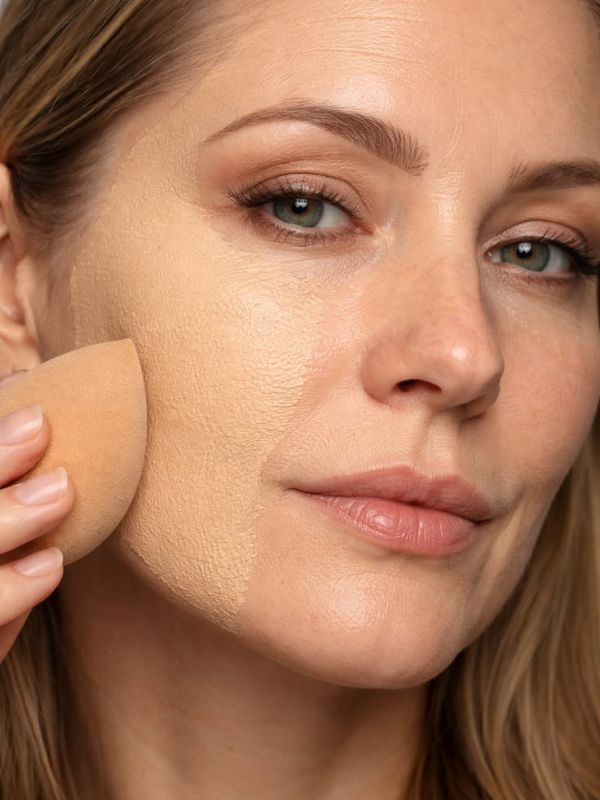
Apply each shade in a separate stripe along your jawline. Keep the swatches close enough to compare but leave a little space between them so the colors don’t mix.
Blend a small amount of each shade into the skin. You don’t need to cover the entire jawline with a thick layer. A thin, reasonably blended swatch is easier to assess.
Look at the shades from different angles. The best match should blend into your skin without leaving an obvious stripe.
If a shade looks noticeably pink, orange, yellow or grey compared with the surrounding skin, it may not be the closest match.
The jawline test is particularly helpful when your face and neck have different pigmentation because you can see how the foundation looks against both areas.
Why You Should Test More Than One Foundation Shade
Sometimes the first shade you try looks close, but another shade may blend even more naturally.
Testing several shades helps you compare the differences in depth and undertone rather than relying on your first impression.
For example, imagine testing three foundations:
- Shade A looks close but slightly yellow.
- Shade B appears a little pink.
- Shade C looks more balanced and blends into the jawline.
Shade C may be the better match, even if it didn’t look like your first choice in the bottle.
When possible, compare shades that are close in depth but have different undertones. If the undertone is already close, then compare slightly lighter or deeper shades within that family.
This approach makes it easier to separate two problems: the foundation may have the right undertone but the wrong depth, or it may have the right depth but the wrong undertone.
How to Check Your Foundation Shade in Natural Light
Lighting can make a foundation match look better or worse than it actually is.
A shade that looks natural under bright makeup store lights may appear orange, pink, grey or too dark once you step outside. Artificial lighting can also make it difficult to notice subtle differences between foundation shades.
After applying your swatches, check them in natural daylight if possible. Stand near a window or go outside into open shade, avoiding direct sunlight that can create harsh shadows.
Look at your face, jawline and neck together.
Turn your head slightly from side to side. This can help you notice a visible line where the foundation ends or a difference in color between your face and neck.
If you cannot leave the store, use the best natural lighting available and avoid relying entirely on the store’s lighting.
How Long Should You Wait Before Choosing a Foundation Shade?
Some foundations may change slightly in appearance after application. The shade can look different once it dries, settles or interacts with skincare and skin oils.
This is sometimes referred to as oxidation, although not every change in foundation color is caused by oxidation. Drying, the way pigments sit on the skin, product layering and lighting can also affect how the shade appears.
After applying your swatches, give them a few minutes to settle before making a decision. Check the shades again rather than choosing immediately after application.
If possible, test the foundation on a larger area and observe it over a few hours. This can help you see how the product wears and if the color changes noticeably.
A shade that looks perfect immediately but becomes too dark or orange later may not be the best option for your skin.
How to Know When a Foundation Shade Is the Right Match
A good foundation match doesn’t have to make your skin look completely uniform or erase every variation in pigmentation. It should blend naturally into your complexion without creating an obvious color difference.
Here are some signs that you’ve found a close match:
- The foundation blends into your jawline without leaving a noticeable stripe.
- It doesn’t look dramatically lighter or darker than your neck.
- The undertone doesn’t appear excessively pink, yellow, orange or grey.
- It looks reasonably natural in daylight.
- It remains a close match after it settles.
- You don’t need to apply a large amount of bronzer or color corrector to make the shade look right.
The goal isn’t to make your skin look like a different color. It’s to find a foundation that works with your complexion and provides the finish and coverage you want.
A foundation shade that looks natural on your skin can make the rest of your makeup application easier because you’re not constantly trying to correct a color mismatch.
How to Tell If Your Foundation Shade Is Too Light, Too Dark or the Wrong Undertone
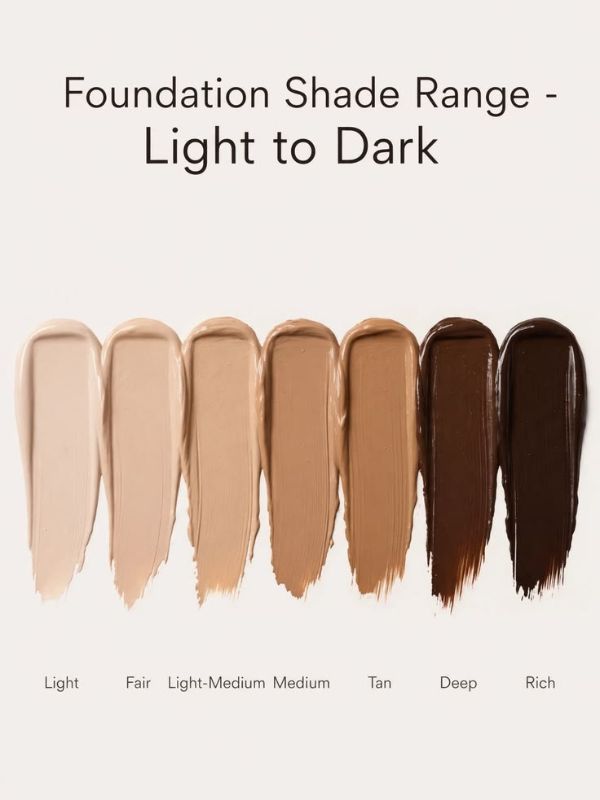
If you’ve already purchased foundation and you’re not sure why it looks wrong, take a closer look at what happens after you apply it.
The color mismatch may be caused by the foundation being too light or too dark, but undertone can also be the problem. Sometimes both the depth and undertone need adjusting.
Understanding the difference can help you avoid buying another shade that has the same issue.
Signs Your Foundation Shade Is Too Light
A foundation that’s too light may make your complexion look washed out or noticeably brighter than your neck.
You may notice:
- Your face looks pale compared with your neck.
- The foundation appears grey or ashy after blending.
- Your complexion looks unnaturally bright.
- The foundation creates an obvious line around your jaw.
- You need a lot of bronzer to make the face look closer to your natural skin depth.
However, a grey or ashy appearance isn’t always caused by the foundation being too light. The undertone may also be incorrect.
For example, someone with deep skin may choose a foundation that has the correct depth but is too cool or too muted. The result may appear grey even though the foundation isn’t necessarily lighter than their complexion.
If your foundation looks ashy, compare it with a slightly deeper shade and a different undertone before deciding that the depth alone is the problem.
Signs Your Foundation Shade Is Too Dark
A foundation that’s too dark may make your face look noticeably deeper than your neck or chest.
You may notice a visible line along the jawline, a muddy appearance around the face or a complexion that looks darker than you intended.
Sometimes the foundation is only slightly too deep, and mixing it with a compatible lighter shade can help. In other cases, the undertone may also be wrong, making the foundation appear even darker or more saturated than it actually is.
If your foundation looks too dark, compare it with a lighter shade within the same undertone family before making any adjustments.
Why Your Foundation Looks Orange
Foundation that looks orange may have too much warmth, too much color saturation or the wrong depth for your complexion.
For example, a golden foundation may look orange on someone whose skin has a more neutral or muted olive undertone. The foundation may also appear orange if it is too deep or if the formula changes noticeably after application.
If your foundation looks orange, try the following:
- Compare a more neutral shade at a similar depth.
- Test a less golden or less warm foundation.
- Consider a more muted or olive shade if the complexion has olive characteristics.
- Check the foundation again after it settles.
- Compare the shade in natural light.
Don’t immediately assume that you need a much lighter foundation. If the shade is orange but the depth is correct, changing the undertone may solve the problem.
Why Your Foundation Looks Pink or Red
A foundation may look pink or red if its undertone is cooler or rosier than your complexion.
This can happen when someone with a warm, neutral or muted undertone chooses a foundation that has too much pink coloring.
Look at the foundation along your jawline. If it creates a noticeably pink stripe against your neck, compare it with neutral or warm options at a similar depth.
However, redness in the face can also make foundation matching more complicated. If your cheeks or nose are naturally red, you may need to consider your overall complexion rather than selecting a shade based only on those areas.
The foundation should look natural across the face and transition reasonably well into your neck.
Why Your Foundation Looks Yellow
A foundation that looks overly yellow may have too much golden or yellow coloring for your complexion.
Some people have neutral, cool or muted undertones and may find that golden foundations look unnatural, even if the depth is close.
If your foundation appears too yellow, try comparing it with a neutral or less golden shade.
It’s also worth remembering that foundation labels aren’t always consistent. A shade labeled neutral in one brand may still have a noticeable yellow cast, so the swatch is more important than the name.
Why Your Foundation Looks Grey or Ashy
A grey or ashy appearance can be particularly frustrating because the foundation may seem close in the bottle but look unnatural once blended.
Several factors may contribute:
- The foundation is too light.
- The undertone is too cool for your complexion.
- The shade is too muted or lacks the color direction your skin needs.
- The foundation has been layered with products that affect its appearance.
- The foundation isn’t a close match to your skin depth.
For deeper complexions, a foundation with an unsuitable undertone may appear ashy even if the depth seems correct. This is one reason why foundation shade matching can be difficult when the available shade range doesn’t offer enough undertone variation.
Try comparing shades that have similar depth but different undertones. A warm, neutral, red-based or olive shade may look very different from another shade within the same depth category.
Don’t automatically add bronzer to fix a foundation that looks grey. If the undertone is incorrect, bronzer may make the makeup look uneven rather than correcting it.
The better solution is to identify the part of the mismatch that’s causing the grey appearance and adjust the shade accordingly.
How to Find Your Foundation Shade When Shopping Online
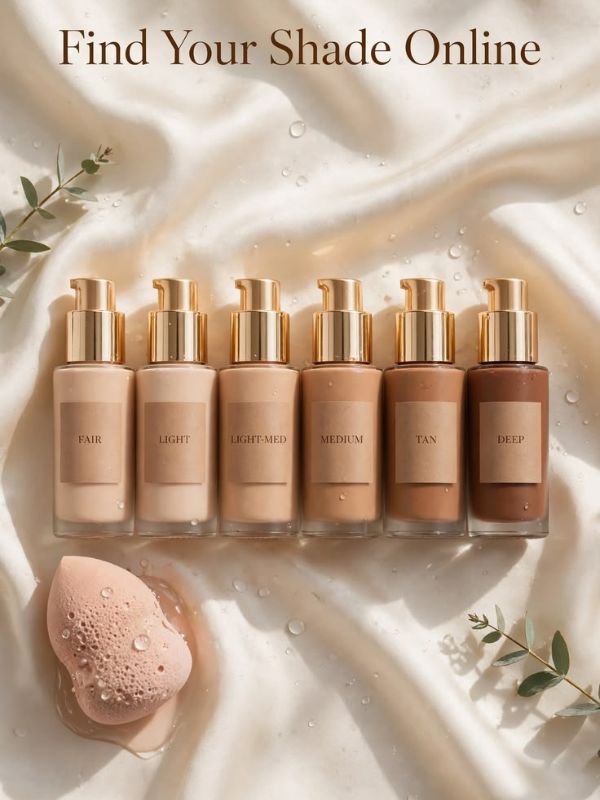
Buying foundation online can be convenient, but it can also be frustrating when the shade you receive looks different from what you expected. You can’t always rely on product photos, shade names or the colors displayed on your screen.
The good news is that you can still narrow down your options before ordering. Instead of selecting a shade based on a single image, use a few reference points to make a more informed choice.
Use Your Current Foundation Shade as a Starting Point
If you already own a foundation that matches your skin reasonably well, use it as a reference when shopping online.
Check the shade name or number, the brand and the undertone description. If you know that the foundation blends naturally into your jawline and neck, you have a useful starting point for comparing other brands.
For example, if your current foundation is described as medium-deep neutral, look for shades in a similar depth range when browsing another foundation line.
However, don’t assume that the same shade description will work across brands. A medium-deep neutral foundation in one brand may look quite different from a medium-deep neutral foundation in another.
You can also compare the shade against online swatches of your current foundation. Look for images that show it applied to the skin rather than only inside the bottle.
If you have a foundation that is slightly too warm, too light or too dark, you can still use it as a reference. Just be clear about the problem with the shade so you don’t repeat the same mismatch.
Use Online Foundation Shade Finders
Many makeup brands offer shade-matching tools on their websites or apps. These tools may ask you about your skin tone, undertone, previous foundation shades or the foundation products you currently use.
They can help narrow down the options, especially if a brand offers a large shade range.
Some shade finders also compare foundation shades from different brands. This can be helpful if you already have a foundation you use regularly and want to find a similar shade in another product.
However, shade finder recommendations are estimates. The results may depend on the information you provide, the brand’s shade descriptions and the way its matching system compares products.
If the tool recommends a shade, look at the swatches and shade description before ordering. Treat the recommendation as a starting point rather than a guaranteed match.
Check Foundation Swatches on People With Similar Skin Depth and Undertone
One of the most useful things you can do when shopping online is look for foundation swatches on people whose skin appears similar to yours.
A product image on a model may not be enough to determine the shade because photography, lighting, editing and screen settings can affect how the foundation looks.
Look for swatches or reviews that show the foundation applied to the skin. Ideally, the person should have a similar skin depth and undertone, although it may take a little searching to find a close comparison.
Pay attention to how the foundation looks along the jawline and whether it appears to blend into the surrounding skin.
For example, if you’re looking at a deep neutral foundation, a swatch on someone with deep neutral skin may provide more useful information than a swatch on someone with a light warm complexion.
You don’t need to find someone who looks exactly like you. You’re simply looking for a better color reference than the product bottle or promotional image alone.
Look for Foundation Reviews and Video Swatches
Video swatches can help you see how a foundation looks after it has been applied and blended. They may also show how the shade looks in different lighting conditions.
When watching foundation reviews, look for:
- Swatches in natural daylight.
- The foundation applied to the face rather than only the arm.
- A close view of the jawline and neck.
- The foundation after blending.
- The foundation after several hours of wear.
- Reviews from people with similar skin depth and undertone.
A review that shows the foundation in a bathroom with warm lighting may not give you the clearest picture of its actual color. Look for more than one review if you’re unsure.
It’s also useful to read comments from people who have purchased the foundation. They may mention that a shade is too orange, too pink, too dark or more neutral than the brand’s description suggests.
Keep in mind that reviews are subjective. One person’s perfect match may not be the right shade for you, but several reviews can help you understand how a particular shade behaves.
Why Foundation Photos on Product Packaging Can Be Misleading
Foundation bottles, promotional images and digital swatches are not always accurate representations of the product’s appearance on skin.
The foundation may look lighter or darker because of the lighting used during photography. Product images may also be edited, and your screen settings can change how colors appear.
For example, a foundation that looks golden on your phone may appear more neutral on another screen. A shade that looks deep in a product image may look lighter in person.
This is why it is helpful to compare real swatches, reviews and shade descriptions rather than relying entirely on the bottle image.
What to Do When You Cannot Find a Perfect Online Match
Sometimes the shade range doesn’t offer an exact match, or you may be unsure between two shades.
If you’re purchasing online, consider the following before ordering:
Look for a retailer with a return or exchange policy. This can give you more flexibility if the foundation isn’t a close match. Check the policy before opening or using the product.
Request a sample if available. Some retailers or makeup brands may offer samples, which can help you test the shade before buying a full-size product.
Consider mixing two shades. If you have a foundation that is slightly too light and another that is slightly too dark, you may be able to mix them to create a closer match. You can also mix two compatible foundations if their undertones are close but their depths differ.
Compare the shade with a foundation you already own. Use your current foundation as a reference and look for similar undertone descriptions.
Don’t rush the purchase. If you’re unsure, take a little more time to compare swatches and reviews. It is better to narrow down your options than to buy a shade based only on a promotional image.
The more information you have, the easier it becomes to choose a Foundation Shade that is likely to work for your complexion.
How Foundation Shade Names and Numbers Work
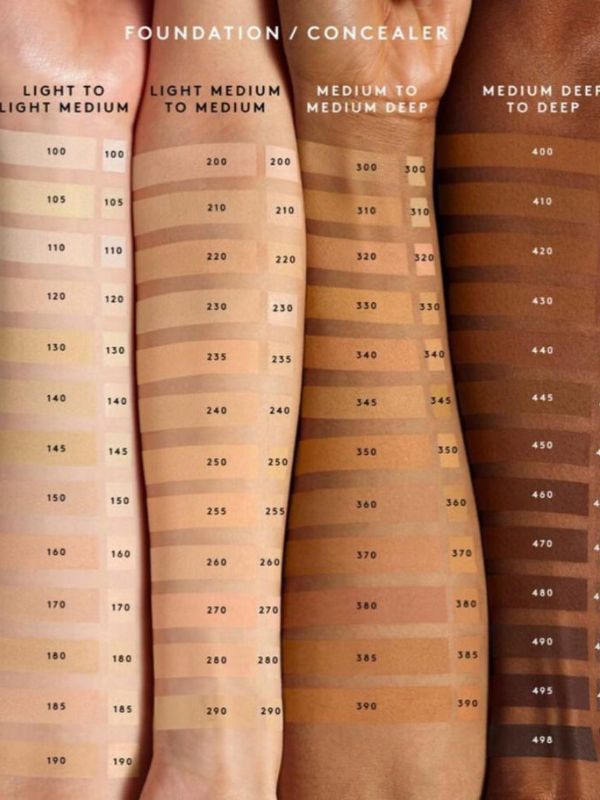
Foundation shade names and numbers can be confusing, particularly when you’re shopping across different brands.
One brand may use names such as Sand, Honey, Warm Beige or Golden Tan, while another uses numbers combined with letters. Some shade ranges use a number to describe depth and a letter to indicate undertone, while others use a completely different system.
Understanding how these labels work can help you narrow down your options, but you shouldn’t assume that the name or number tells you everything about the shade.
Why Foundation Shade Names Can Be Confusing
Foundation names are often designed to help customers identify shades within a brand’s range. However, the names don’t always follow a consistent system.
A shade called Honey may be golden in one brand but more neutral in another. Beige may describe a light, medium or deeper complexion depending on the product line.
Some brands use descriptive names, while others use names that are intended to sound appealing rather than provide a precise color description.
This means that foundation shade names can help you navigate the range, but they aren’t a universal guide to your skin depth or undertone.
If you find a foundation called Warm Beige that matches your complexion, don’t assume that every Warm Beige foundation from another brand will work equally well.
What Do Foundation Letters Like W, C and N Mean?
Some foundation brands use letters to describe undertones.
Common conventions include:
- W: Often represents warm undertones.
- C: Often represents cool undertones.
- N: Often represents neutral undertones.
For example, a foundation shade labeled 320W may use the number to indicate a particular depth and the letter W to indicate warm coloring.
However, this is not a universal system. Some brands use different letters, names or shade descriptions. The meaning of a number or letter may also depend on the specific foundation range.
Always check the brand’s shade guide rather than assuming that the same letter means exactly the same thing across products.
What Do Foundation Shade Numbers Mean?
Foundation numbers may indicate depth, undertone or a combination of both.
Some brands organize their shades from lighter to deeper using numbers, but the sequence isn’t always straightforward. A higher number may indicate a deeper shade in one product line, while another brand may use a different arrangement.
Some foundation ranges also use numbers to identify specific shades rather than representing a clear depth progression.
For this reason, don’t use the number alone to decide if a foundation will match your skin. Compare the shade descriptions and swatches whenever possible.
Why You Should Not Assume Your Foundation Shade Is the Same Across Brands
It is common for someone to wear different shade names or numbers in different foundation brands.
This can happen because the brands use different shade ranges, pigment combinations, formulas and naming systems. Even foundations described as having the same depth and undertone may look different after blending.
For example, someone may wear a medium-deep neutral shade in one foundation but need a medium neutral or medium-deep warm shade in another product line.
The difference doesn’t mean that the person has suddenly changed undertones. It simply means the shade systems and formulations are not identical.
If you’re shopping for a new foundation, use your existing shade as a starting point, but don’t rely on the number or name alone.
What to Do If Your Foundation Shade Is Almost Right but Not Perfect
Sometimes you’ve found a foundation that is close to your complexion but isn’t quite right. It may be a little too dark, too light, too warm or slightly pink.
That doesn’t always mean you need to throw it away. Depending on the problem and the product, you may be able to adjust the shade or mix it with another foundation.
The key is to make small adjustments rather than trying to change the color dramatically.
How to Mix Two Foundation Shades to Get a Better Match
Mixing foundation can be useful when you have two shades that are close to your complexion but differ slightly in depth.
For example, you may have a foundation that is too light and another that is too deep. Mixing small amounts of both may help you create a shade that falls between them.
You can also mix foundations with slightly different undertones, but this requires more care. If one foundation is very pink and the other is strongly golden, the result may not be as balanced as you expect.
To mix foundations:
- Dispense small amounts of both foundations onto a clean mixing palette or the back of a clean hand.
- Start with a little of each product.
- Mix thoroughly.
- Apply a small swatch along your jawline.
- Check the shade in natural light.
- Adjust the mixture gradually until you get closer to your desired color.
Don’t mix large amounts immediately. Start with a small quantity so you can adjust the shade without wasting product.
It’s also worth checking that the foundations have compatible formulas. Mixing products with significantly different textures, finishes or ingredients may affect how they blend, wear or settle on the skin.
If you find a mixture that works, you can repeat the proportions when you need to apply your makeup.
How to Make Foundation That Is Too Dark Look Better
If your foundation is too dark, you may be able to mix it with a lighter foundation that has a similar undertone.
For example, a deep warm foundation may work better when mixed with a lighter warm or neutral foundation, depending on your complexion.
If you don’t have another foundation to mix with, consider using the product more selectively rather than applying it heavily across your entire face. You may also be able to use it for areas where you want a slightly deeper color, depending on the formula and how it looks.
However, don’t rely on concealer or bronzer to correct an entire face that is noticeably too dark. The result may look uneven, especially if you have to use several products to compensate for the foundation’s depth.
If the foundation is significantly darker than your skin, finding a closer shade is usually the better option.
How to Adjust Foundation That Is Too Light
A foundation that is slightly too light may be easier to adjust if you have a compatible darker shade.
Mix a small amount of the darker foundation into the lighter one, then test the mixture along your jawline. Gradually adjust the proportions until the shade looks closer to your complexion.
Be careful when adding darker foundation because a small amount can sometimes change the color more than expected.
If the foundation is too light because it has the wrong undertone, adding a darker foundation with an unsuitable undertone may not solve the problem. Assess both the depth and the undertone before mixing.
How to Correct Foundation That Looks Too Orange
If your foundation looks orange, consider the undertone before changing the depth.
A foundation may look orange because it is too warm, too golden or too saturated for your complexion. It may also be too deep or have changed in appearance after application.
If the depth is close, try mixing it with a more neutral foundation at a similar depth. A less warm or more muted shade may help create a closer match.
If the foundation is significantly too orange, it may be better to use a different shade rather than trying to correct it with additional makeup.
Avoid adding random color-correcting products without understanding how they may affect the foundation. Small adjustments can be useful, but too much product may make the shade more difficult to work with.
How to Correct Foundation That Looks Too Grey or Ashy
If your foundation looks grey or ashy, check whether it is too light, too cool or too muted for your complexion.
For some people, a more neutral or warm shade may look better. For others, the problem may be that the foundation is too light or that the shade range doesn’t offer the right depth.
Try comparing the foundation with a shade that has a slightly different undertone and depth. If the original foundation looks ashy, don’t automatically assume that adding a warm product will solve the problem. The mismatch may be caused by more than one factor.
The best correction is usually the one that brings the foundation closer to your complexion without creating another visible color difference.
Should You Keep Two Foundation Shades?
Keeping two foundation shades can be practical, especially if your skin depth changes throughout the year.
Some people notice that their complexion becomes slightly deeper during periods of increased sun exposure or lighter during periods when they spend less time outdoors. Skin can also look different depending on skincare, pigmentation changes and other factors.
If you have two foundations that are close to your complexion, mixing them may help you adjust the shade when needed.
For example, you may have a lighter foundation that works well during one part of the year and a deeper foundation that works better at another time. Mixing them can help create an intermediate shade.
You don’t need to own several foundations if you don’t want to. One good match is perfectly fine. However, if you often struggle with changes in skin depth, two shades may offer more flexibility.
How to Choose a Foundation Shade for Different Skin Types
Finding the right color is important, but your skin type can also influence how a foundation looks after application. A shade may appear beautiful during testing and then settle into dry patches, become shiny or look uneven throughout the day.
Skin type doesn’t determine your undertone or Foundation Shade. However, the way your skin interacts with the formula can affect how the foundation looks and how comfortable it feels.
Finding a Foundation Shade for Oily Skin
Oily skin may cause foundation to look different after several hours of wear. Excess oil can affect the appearance of makeup, particularly around the forehead, nose and chin.
When testing foundation, consider how it looks after it has been on your skin for a while. A foundation that appears natural immediately after application may become shinier or look slightly different as oil develops.
If you have oily skin, you may prefer a foundation with a finish that works well with your skin throughout the day. Some people prefer matte or soft-matte formulas, while others prefer natural finishes and use powder only in areas where they experience shine.
The shade itself still needs to match your complexion. Don’t choose a darker or lighter foundation simply because it is described as suitable for oily skin.
Instead, compare the shades and assess the formula separately. A good color match and a comfortable formula are two different parts of finding a foundation that works.
Finding a Foundation Shade for Dry Skin
Dry skin can make foundation matching more difficult if the skin is flaky, tight or unevenly textured.
Foundation may cling to dry areas, creating patches that make the color look uneven. Sometimes the foundation shade itself is correct, but the way it sits on the skin makes the complexion look different.
Preparing your skin before testing foundation can help. Apply your usual moisturizer and allow it to settle before swatching. If you use sunscreen or primer beneath your makeup, consider how those products affect the foundation.
When choosing a foundation, you may prefer formulas that feel comfortable and don’t emphasize dry areas. However, a hydrating formula isn’t automatically the right shade, so still compare the color along your jawline.
If a foundation appears darker or patchier in areas of dryness, assess the skin preparation and formula before deciding that the shade is wrong.
Finding a Foundation Shade for Combination Skin
Combination skin may have oily areas and drier areas at the same time. For example, the forehead and nose may become oily, while the cheeks feel dry.
This can affect how foundation wears across the face.
When testing foundation, observe how it looks in more than one area. A shade that appears natural on the cheek may look different around the nose or forehead because of surface redness, oiliness or other skin characteristics.
Consider your usual skincare routine and how the foundation interacts with the products you use. If you apply different products to different areas of your face, the foundation may also behave differently across those areas.
The color match should still be assessed along the jawline, but how the foundation wears throughout the day can help you decide if the product is suitable for your skin.
Finding a Foundation Shade for Mature Skin
Mature skin can have changes in texture, pigmentation and moisture levels that influence how foundation looks after application.
Some people notice more dryness, fine lines, uneven pigmentation or changes in their skin depth over time. These changes may affect the way foundation blends and settles.
When choosing a foundation, consider the formula and how comfortable it feels. A foundation that is easy to blend and doesn’t settle noticeably into areas of texture may be more appealing.
Test the shade in natural light and observe how it looks after blending. Don’t automatically choose a lighter foundation because you’re concerned about fine lines or darker areas. A foundation that is too light may create a grey or washed-out appearance.
The best shade is still one that blends naturally with your complexion. Your skin’s texture and the foundation’s finish are separate considerations that can be assessed during testing.
Once you have a foundation that matches your complexion, you can use it as the base for different makeup styles. If you’re looking for inspiration for your next makeup look, these gorgeous makeup looks ideas offer different styles you can try for everyday wear and special occasions.
Finding a Foundation Shade for Acne-Prone Skin
Acne-prone skin may have redness, blemishes, post-acne marks or uneven pigmentation. These surface characteristics can make it difficult to determine your overall skin depth and undertone.
For example, redness around the cheeks may make your face appear cooler or pinker than the rest of your complexion. Dark acne marks may make some areas appear deeper.
When choosing foundation, avoid selecting a shade based only on the redness or dark spots. Look at your overall complexion, including the jawline and neck, and test the foundation where you can see how it blends naturally.
Taking care of your skin before applying makeup can also help you feel more comfortable with your foundation. If you have acne-prone skin and are trying to build a skincare routine that works alongside your makeup, these affordable skincare products for acne-prone skin may help you find products worth considering.
You may also prefer a formula that offers the coverage you want without feeling uncomfortable on your skin.
The foundation doesn’t need to be several shades darker or lighter to cover blemishes. You can choose a shade that matches your complexion and use concealer or other makeup products selectively if you want additional coverage.
Common Foundation Shade Matching Mistakes to Avoid
Foundation matching can become frustrating when you keep making the same mistakes without realizing why the shades aren’t working.
A few common habits can make it more difficult to find the right match. Changing the way you test foundation may help you narrow down your options and avoid unnecessary purchases.
Choosing Foundation Based on the Bottle Color
The color inside a foundation bottle isn’t always an accurate representation of how it will look on your skin.
The product may appear lighter, darker, warmer or cooler because of the packaging, lighting or the way the pigments are displayed.
Even if the foundation looks close in the bottle, the shade may appear different once blended.
Instead of choosing based on packaging alone, look at the shade description and test the product on your skin whenever possible.
Testing Foundation Only on Your Hand
Your hand may not have the same skin depth or undertone as your face.
A foundation that blends into your hand may look too dark, too light or too warm around your jawline. This is why hand swatches shouldn’t be the final deciding factor.
If you want to find a foundation that looks natural on your face, test it along your jawline and check the result in natural light.
Choosing a Shade in Artificial Lighting
Artificial lighting can make foundation shades appear different from how they look in daylight.
You may notice that a shade looks beautiful under makeup store lights but appears orange, pink, grey or too dark outside.
Whenever possible, check your foundation swatches in natural daylight before making a decision. If you can’t leave the store, use the clearest available lighting and compare the shades carefully.
Ignoring Undertone
A foundation may have the right depth but still look unnatural because its undertone doesn’t suit your complexion.
For example, a medium foundation may appear too yellow on someone with a neutral undertone or too pink on someone with a warm undertone.
Don’t focus only on whether the foundation is light enough or dark enough. Compare the undertone as well.
Choosing a Shade That Matches Only Your Cheek
Your cheeks may have redness, pigmentation or other color variations that make them different from your neck.
If you choose foundation based only on your cheek, you may end up with a shade that doesn’t blend naturally along your jawline.
The jawline is a useful area for comparing foundation because it allows you to assess the color against both your face and neck.
Buying Foundation Too Quickly
Sometimes a foundation looks close enough that you feel ready to purchase it immediately. However, the shade may look different once it settles or when you see it in another lighting condition.
If possible, compare a few shades before choosing. Allow them to settle, check the result in natural light and take your time.
If you’re shopping online, compare swatches and reviews rather than relying on a single product image.
Assuming Your Foundation Shade Never Changes
Your skin depth may change over time. Sun exposure, pigmentation changes, skincare, age and other factors may influence how your complexion looks.
You may find that a foundation you used previously is no longer a close match. That doesn’t necessarily mean your undertone has changed.
Reassess your complexion when you notice a mismatch. You may need a different depth, a different undertone or a formula that works better with your skin.
Frequently Asked Questions About Finding Your Foundation Shade
How Do I Know My Foundation Shade?
Start by identifying your approximate skin depth, such as fair, light, medium, medium-deep or deep. Then consider your undertone, which may be warm, cool, neutral or olive.
Test two or three foundation shades along your jawline, blend them slightly and check the result in natural light. The shade that blends most naturally into your face and neck without creating an obvious color difference is likely to be your closest match.
Learning how to choose the right foundation shade is also a helpful part of building a makeup routine, especially when you’re just getting started. This makeup tutorial for beginners covers the basic steps of applying makeup and helps you understand how different products work together.
Should Foundation Match My Face or Neck?
Foundation should generally blend naturally between your face and neck. The jawline is a useful place to test shades because you can see how the foundation transitions between both areas.
If your face and neck have different pigmentation, you may need to choose a shade that balances the two rather than matching only one area.
The aim is to create a natural-looking complexion, not to make your face look like a completely different color from the rest of your skin.
How Do I Find My Undertone for Foundation?
You can use clues such as your vein color, how gold and silver jewellery look against your skin and how your complexion appears in natural light.
Green-looking veins may suggest warm undertones, blue or purple-looking veins may suggest cool undertones, and a mixture may suggest neutral undertones. However, these tests aren’t definitive.
Comparing foundation shades with different undertones along your jawline is a more practical way to see which shade looks natural on your skin.
How Can I Find My Foundation Shade Without Trying It?
If you can’t test foundation in person, use a foundation you already own as a reference.
Check its shade name, depth and undertone. Look for swatches on people with similar skin depth and undertone, read reviews and use the shade finder tool offered by the makeup brand if available.
These methods can help narrow down your options, but they can’t guarantee an exact match because foundation colors may appear different on screens and in photographs.
Why Does My Foundation Look Orange After Applying It?
Your foundation may look orange because it is too warm, too golden, too deep or too saturated for your complexion. Some formulas may also change slightly in appearance after application.
If the depth is close, try comparing a more neutral or muted shade. If the foundation is also too dark, consider a lighter shade with a less warm undertone.
Check the foundation in natural light before deciding that the color is wrong.
Why Does My Foundation Look Grey on My Skin?
Foundation may look grey or ashy because it is too light, has the wrong undertone or doesn’t provide the color direction your complexion needs.
For deeper skin, a foundation that is too cool or unsuitable in undertone may appear ashy even when the depth is close.
Compare the foundation with shades that have different undertones and depths. Avoid assuming that adding bronzer will automatically correct the mismatch.
Can I Mix Two Foundation Shades?
Yes, you can mix two compatible foundation shades to create a closer match.
This can be useful if one foundation is slightly too light and the other is too dark. You can also mix shades that have similar depths but slightly different undertones, although you should adjust the mixture gradually.
Dispense small amounts onto a clean mixing palette or the back of a clean hand, mix thoroughly and test the result along your jawline.
Mixing foundations with very different formulas may affect how they blend and wear, so it’s worth testing the mixture before applying it to your entire face.
Should I Buy a Lighter Foundation for Winter?
Not automatically. Your skin depth may change depending on sun exposure and other factors, but it doesn’t always become lighter during winter.
Assess your complexion in natural light and test the foundation along your jawline. If your existing foundation is too deep, compare a lighter shade within the same undertone family before making a purchase.
Your skin may also retain a similar depth throughout the year, so you don’t necessarily need a separate winter foundation.
Does Foundation Oxidize?
Foundation oxidation is a term commonly used to describe a change in the appearance of a foundation after application, sometimes making it look darker or warmer.
However, not every foundation changes noticeably, and the appearance of a product can also be influenced by drying, skin oils, skincare, lighting and how the pigments settle.
If a foundation consistently looks darker or more orange after application, test it over a period of time and compare it with other shades before deciding if the formula is suitable.
Can I Have More Than One Undertone?
Skin coloring can be complex, and not everyone fits neatly into a single undertone category.
You may notice warm and neutral characteristics, muted coloring or olive tones that make traditional warm, cool and neutral descriptions difficult to apply.
Foundation brands also use different undertone labels, so the same complexion may appear to fit different categories depending on the shades available.
Instead of worrying about finding a perfect undertone label, focus on how the foundation looks and blends on your skin.
Is My Foundation Shade Supposed to Match My Skin Exactly?
A foundation doesn’t have to match every part of your face perfectly. Your skin may have natural variations in pigmentation, redness, dark spots and other characteristics.
The goal is to choose a foundation that blends naturally with your complexion and creates the finish and coverage you want.
A close match along your jawline and neck is generally more useful than trying to make every area of your face look identical.
Can I Use the Same Foundation Shade for Concealer?
Your foundation and concealer don’t necessarily need to be the same shade.
Foundation is just one of several products used to create a makeup look, and understanding what each product does can make your routine easier. If you’re still learning about the products you need, this guide to makeup products and their uses explains the basics in a simple way.
Foundation is generally selected to match your overall complexion, while concealer may be chosen for different purposes, such as covering blemishes or brightening certain areas.
If you’re using concealer to cover blemishes, a shade close to your foundation may help create a more seamless result. If you’re using it under your eyes for a brighter appearance, you may prefer a slightly lighter shade.
However, concealer shade selection is a separate process from finding your foundation match, and you don’t need to change your foundation shade to accommodate it.
Conclusion: The Right Foundation Shade Should Blend Into Your Skin
Finding the right Foundation Shade doesn’t always happen on your first try, and that’s perfectly normal. Foundation shade ranges, undertone descriptions, lighting and skin pigmentation can make the process confusing, especially when you are shopping for a new product.
The most important thing is to understand your skin depth and undertone before choosing a foundation. Knowing if your complexion is light, medium, deep or somewhere in between can help narrow down the shades, while understanding your undertone can help you avoid foundations that look too pink, yellow, orange or grey.
Take your time when testing foundation. Swatch a few shades along your jawline, blend them, check them in natural light and allow the foundation to settle before deciding. If you’re shopping online, use your existing foundation as a reference, compare real-life swatches and read reviews from people with similar complexions.
You don’t have to get every shade match right the first time. With a little patience and a better understanding of what to look for, finding a foundation that blends naturally into your skin can become much easier.
This Post Showed You How to Find Your Foundation Shade and Undertone.