
I’ve had those moments when I add a new skincare product to my routine thinking it will be a simple upgrade. Then a few days later, my skin feels tighter, looks more textured, or suddenly has a few spots I did not expect. I start going through everything on my bathroom shelf trying to figure out what changed. That is why learning how to introduce new skincare products slowly can save you a lot of frustration. Instead of adding several new products at once and hoping for the best, you give your skin time to adjust. You also make it much easier to figure out which product works for you and which one does not.
The good news is that you do not need a complicated routine. In fact, keeping things simple is often the better approach when you are testing something new.
Here is how I would approach it.
Why You Should Introduce New Skincare Products Slowly
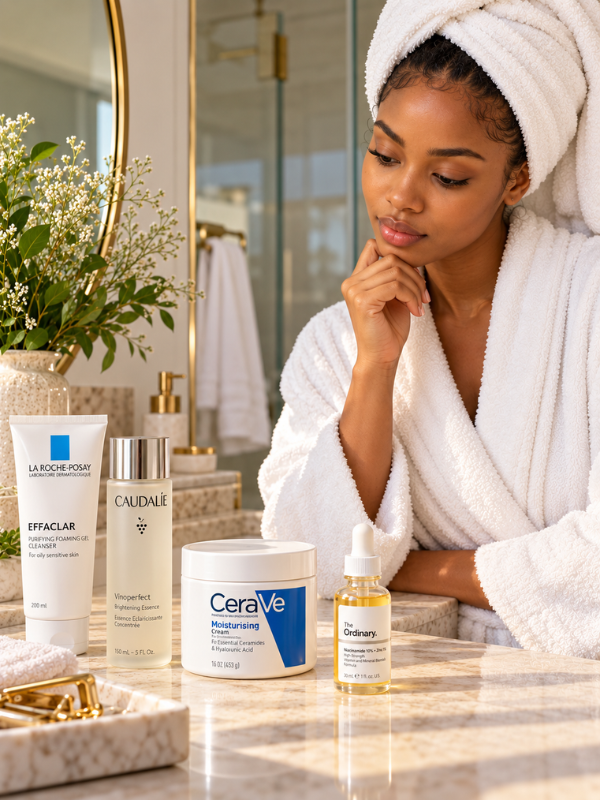
Your skin already has a routine, even if you do not think of it that way.
You may wash your face, apply moisturizer, and use sunscreen every morning. At night, you may have a cleanser, serum, treatment, and moisturizer.
When you suddenly add three or four new products, you are changing several things at once.
That makes it hard to know what your skin likes.
For example, imagine you start using a new exfoliating toner, vitamin C serum, and retinol during the same week. A few days later, your skin becomes dry and irritated.
Which product caused it?
You may never know.
This is one reason I prefer introducing products one at a time. It gives you a clearer picture of how your skin responds.
It also helps you avoid putting too many active ingredients together before you know how your skin handles them.
Slow does not mean you are doing less. It means you are paying attention.
How to Introduce New Skincare Products Step by Step
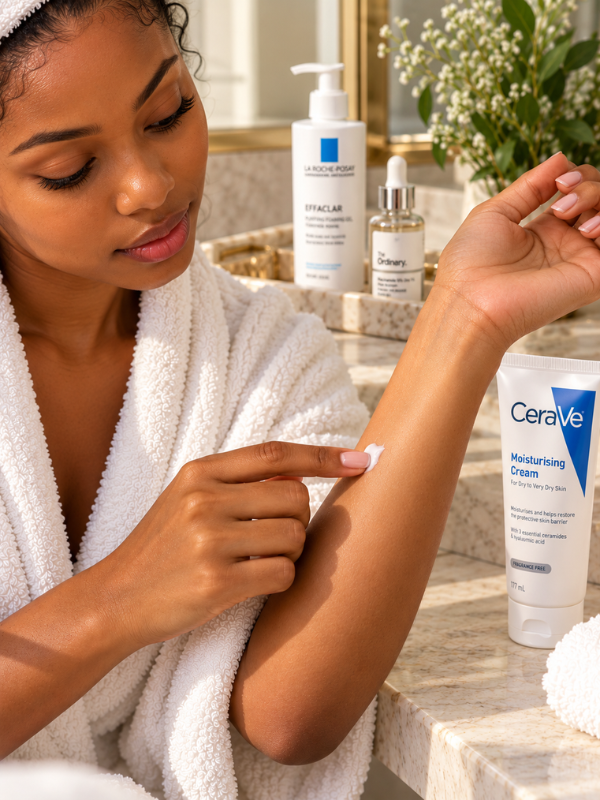
You do not need a complicated system. A few simple steps can make the process much easier.
1. Look at the Ingredients First
Before putting a new product on your face, take a look at the ingredient list.
You do not need to understand every single ingredient. Instead, look for the main ingredients and what the product is designed to do.
Is it an exfoliant?
Does it contain retinol?
Is it a vitamin C serum?
Is it mainly a moisturizer?
Is it meant to treat acne or dark spots?
Knowing this matters because different products can have very different effects on your skin.
For example, a moisturizer with simple hydrating ingredients is a very different addition from a strong exfoliating treatment.
Also, check the product directions.
If the label says to use the product two or three times a week, there is usually a reason for that. You do not need to use it every night just because you want faster results.
2. Add One New Product at a Time
This is probably the biggest rule I follow.
Add one new product.
Then give yourself time to observe your skin.
It can be tempting to completely redo your routine when you buy several new products. I get it. You finally have that package sitting on your counter, and you want to try everything.
But hold up.
If something goes wrong, you will have no idea what caused it.
Introducing one product at a time makes troubleshooting much easier.
3. Patch Test the Product
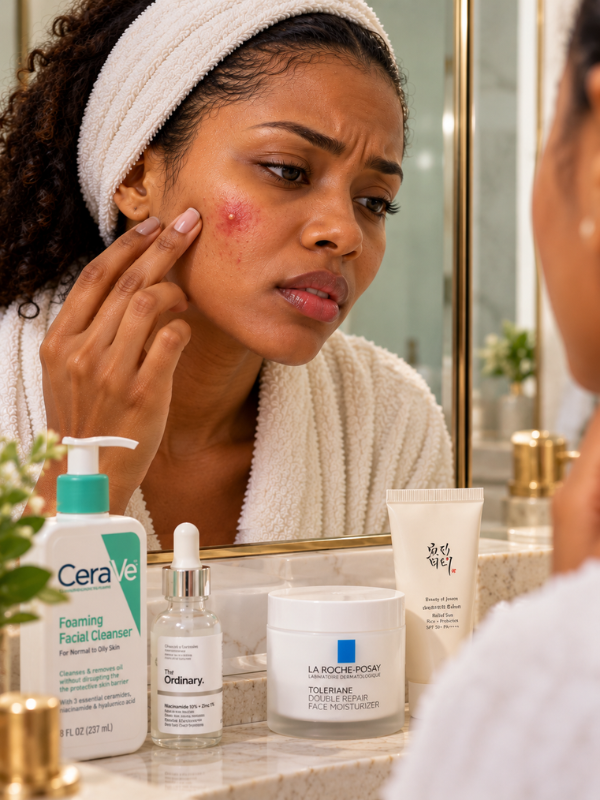
Patch testing is another useful step.
Apply a small amount of the product to a small area of skin according to the product’s directions. This can give you an early indication of whether your skin reacts badly to it.
However, patch testing does not guarantee that your face will tolerate the product.
Your facial skin can respond differently.
So, think of patch testing as one layer of caution rather than a guarantee.
4. Start With a Small Amount
More product does not automatically mean better results.
This is especially important with active skincare products.
Start with the amount recommended on the packaging. If you are unsure, check the product instructions rather than guessing.
Using a huge amount can leave your skin feeling uncomfortable, especially when the product contains an active ingredient.
I have learned that skincare is one of those areas where more is not always more.
Sometimes, less really is enough.
5. Start Slowly
If a product is designed for frequent use, you may be able to use it as directed.
However, if you are introducing a strong active, starting slowly can make it easier to see how your skin responds.
For example, instead of immediately adding a new exfoliating treatment to every night of your routine, you might begin with the frequency recommended for new users on the product instructions.
Pay attention to your skin.
If everything feels normal, you can continue following the product directions.
If your skin becomes uncomfortable, stop and reassess.
How Long Should You Wait Before Adding Another New Product?
There is no single waiting period that works for every skincare product.
It depends on what you are adding.
A basic moisturizer is different from a retinoid or exfoliating acid.
The more active the product, the more important it is to give yourself enough time to understand how your skin is responding before making another major change.
I also like keeping the rest of the routine consistent.
That way, if something changes, you have fewer variables to figure out.
Think of your routine as a little experiment.
Change one thing.
Observe.
Then decide what comes next.
How to Introduce New Skincare Products If You Have Sensitive Skin
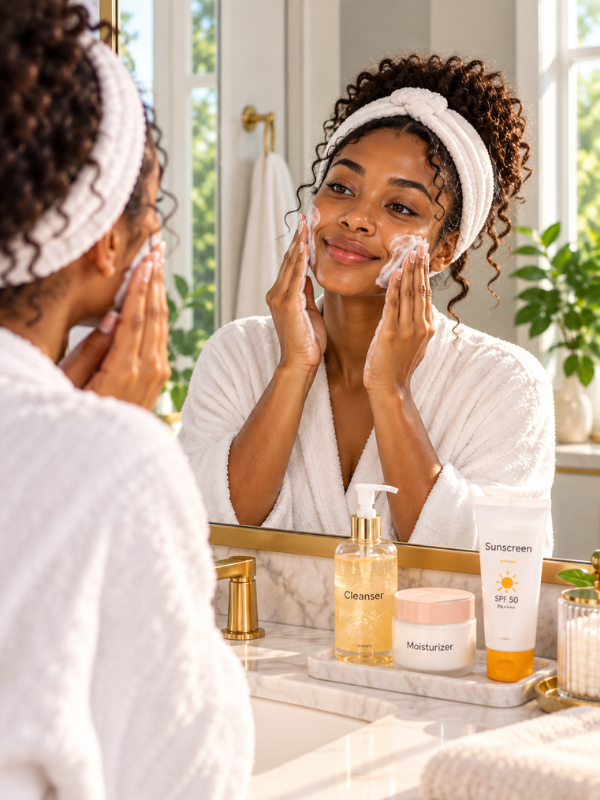
If your skin is sensitive, you may need to be even more careful.
Start with products that have a simple purpose. Avoid changing several parts of your routine at once.
For example, if you are replacing your moisturizer, keep your cleanser and other products the same.
That gives your skin a stable base.
It is also worth being cautious with strong exfoliants and other active ingredients.
And do not feel pressured to use a product just because everyone online seems to love it.
Your skin is yours.
What works beautifully for someone else may not feel the same on your skin.
If a product causes significant swelling, blistering, severe pain, or trouble breathing, seek medical attention rather than trying to push through the reaction.
How to Introduce New Skincare Products When You Already Use Actives
This is where things can get tricky.
If you already use ingredients such as retinoids, exfoliating acids, benzoyl peroxide, or other treatment products, check how your new product fits into your routine.
You do not necessarily need to use every active at the same time.
For example, adding another exfoliating product to an already active-heavy routine may be unnecessary.
Instead, look at what each product is actually doing.
Ask yourself:
- What problem am I trying to address?
- Is the new product adding something different?
- Does it contain another strong active?
- Am I already using a similar ingredient?
- Can I introduce it without changing everything else?
This small check can prevent a lot of unnecessary irritation.
Signs Your Skin Is Tolerating a New Product
When your skin is tolerating a new product, you generally should not be dealing with ongoing burning, significant swelling, or severe discomfort.
Your skin may feel normal after application.
You may also notice that the product fits comfortably into your routine without causing a sudden change in how your skin feels or looks.
Of course, results depend on the product.
A moisturizer may make your skin feel softer fairly quickly.
A product for uneven skin tone may take much longer.
Do not expect every product to produce visible results overnight.
Sometimes, the biggest sign that a product is working well is simply that your skin is comfortable using it.
Signs a New Skincare Product Is Irritating Your Skin
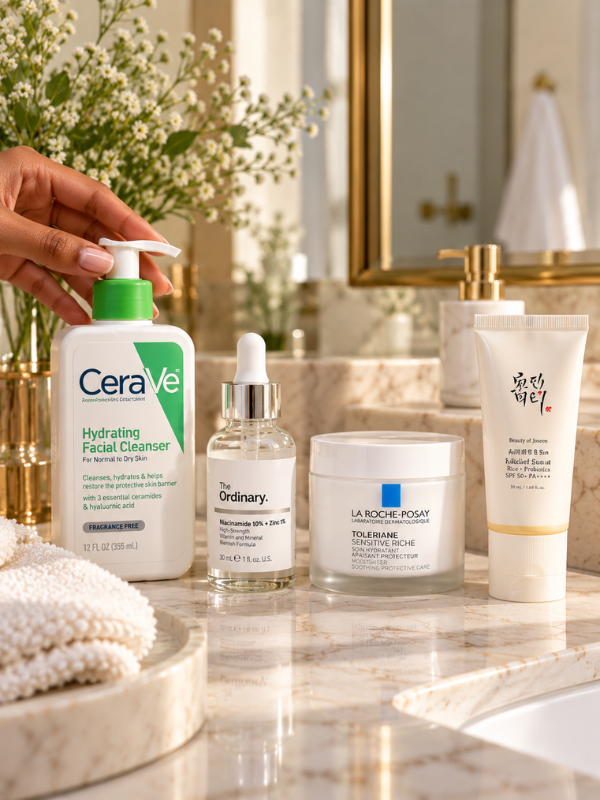
Irritation can show up in several ways.
You may notice:
- Burning or stinging
- Persistent redness
- Itching
- Unusual dryness
- Peeling
- Swelling
- A rash
- Small bumps
- Skin that suddenly feels tight or uncomfortable
One important thing I have learned is not to automatically assume every reaction is part of the process.
You do not have to “push through” obvious irritation just because a product is popular.
Your skin is giving you information.
Pay attention to it.
What to Do If a New Skincare Product Irritates Your Skin
If you think a new product is irritating your skin, stop using it for the moment.
Go back to the basics.
That may mean using a gentle cleanser, a moisturizer that you already know your skin tolerates, and sunscreen during the day.
Keep things boring for a little while.
Honestly, boring skincare can be a lifesaver when your skin is unhappy.
Do not immediately add another treatment product to fix the problem.
Give your routine some breathing room.
If the reaction is severe, persistent, or concerning, contact a healthcare professional or dermatologist.
How to Introduce New Skincare Products Without Ruining Your Routine
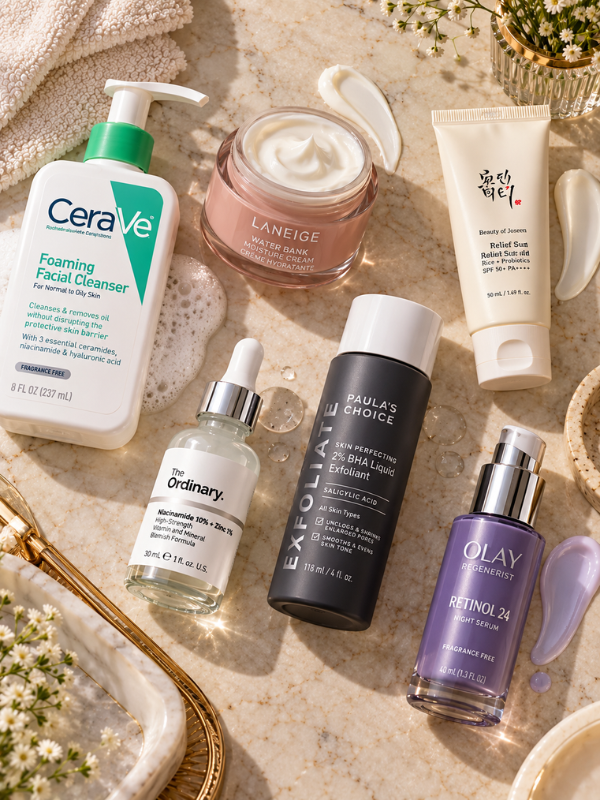
One of the easiest ways to introduce something new is to keep a stable routine underneath it.
For example, your basic routine might look like this:
Morning
Cleanser
Moisturizer
Sunscreen
Night
Cleanser
Moisturizer
Then you introduce your new treatment separately.
This gives you a reliable baseline.
If your skin reacts, you can remove the new product and return to the routine you already know works for you.
This is much easier than trying to figure out what happened after changing five products at once.
Common Mistakes When Learning How to Introduce New Skincare Products

Adding Too Many Products at Once
This is probably the most common mistake.
A new skincare haul can be tempting. But your skin does not need to try everything in one night.
Introduce products separately.
Using Too Much
A bigger scoop is not necessarily better.
Follow the product directions.
Using Strong Actives Too Frequently
Some active products are designed for gradual use.
Follow the instructions and give your skin time to adjust.
Changing Your Whole Routine
If your current routine is working, there is no need to replace everything just because you bought one new serum.
Keep what works.
Change what needs changing.
Ignoring Your Skin
Do not focus so much on the product’s promises that you forget to observe your actual skin.
If something feels wrong, pay attention.
Calling Every Breakout Purging
This one deserves a little attention.
Not every breakout after using a new product is purging.
Sometimes, your skin simply does not like the product.
That is why it is important to consider the ingredient, the area where the bumps appear, how long they last, and whether other signs of irritation are present.
How to Introduce New Skincare Products Based on What You Are Adding
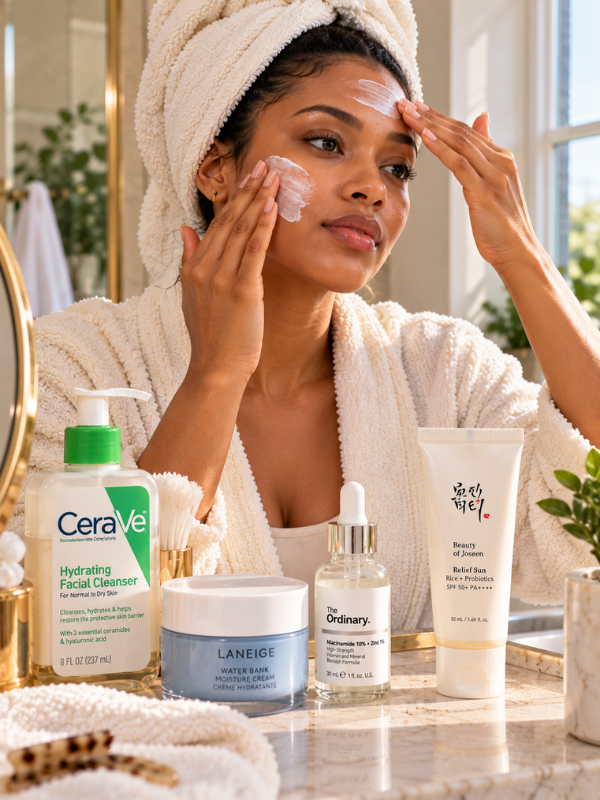
Different products deserve slightly different approaches.
Cleanser
A new cleanser is used directly on the skin and then rinsed away.
Start with the amount recommended on the packaging.
Pay attention to how your skin feels afterward.
If your face consistently feels very tight or uncomfortable after cleansing, the cleanser may not be a good fit.
Moisturizer
Moisturizers are often easier to add than strong treatment products.
Still, introduce one new moisturizer at a time.
That way, if you notice bumps or irritation, you have a clearer idea of what changed.
Serum
Serums can contain many different ingredients.
Some are mainly hydrating.
Others contain stronger actives.
Read the label and check the main ingredients before adding one to your routine.
Exfoliant
Be more cautious with exfoliating products.
Depending on the formula, an exfoliant may contain ingredients such as alpha hydroxy acids, beta hydroxy acids, or other exfoliating agents.
Follow the product instructions.
Do not assume that using it more often will make your skin improve faster.
Retinoid
Retinoids deserve extra care because they can be irritating, especially when you are new to them.
Follow the product’s instructions and introduce them gradually if directed.
Avoid piling other strong treatments into the same routine without a good reason.
Sunscreen
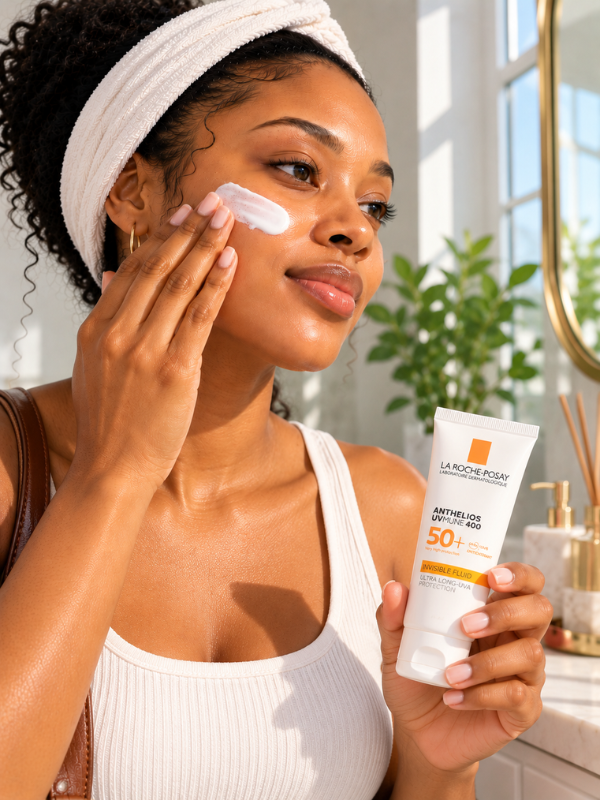
Sunscreen is an important part of a daytime skincare routine.
When trying a new one, pay attention to how it feels, whether it causes irritation, and whether you are comfortable using enough of it.
The best sunscreen is one you can use consistently and as directed.
What About Purging?
“Purging” is one of those skincare words that gets thrown around a lot online.
Some active ingredients can increase skin cell turnover, and this may temporarily bring certain breakouts to the surface.
However, not every breakout is purging.
If you develop widespread irritation, intense itching, significant redness, swelling, or a rash, do not simply assume your skin is “getting used to it.”
The product may be irritating your skin.
When in doubt, stop the new product and consider speaking with a dermatologist.
A Simple Example of How to Introduce New Skincare Products
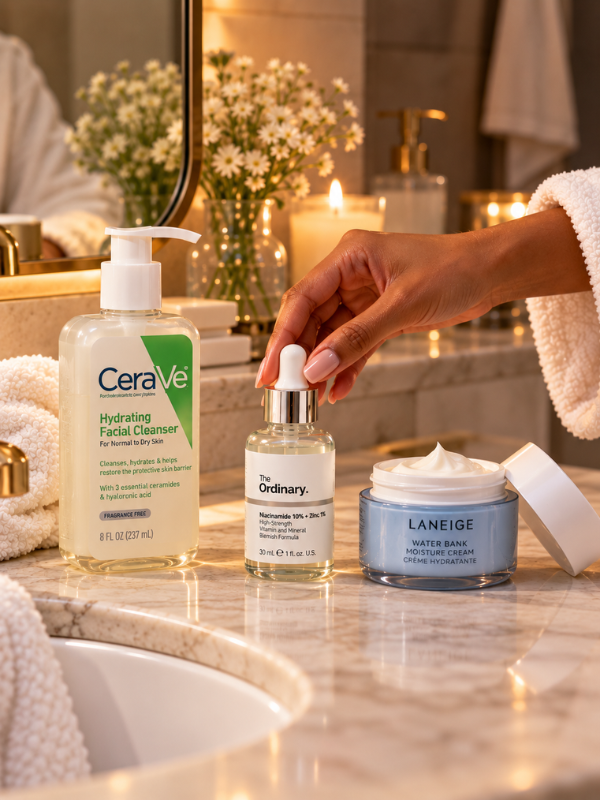
Let’s say you want to add a new serum to your routine.
Your current routine is:
Morning
Gentle cleanser
Moisturizer
Sunscreen
Night
Gentle cleanser
Moisturizer
Instead of adding the serum, a new exfoliant, and a new moisturizer all at once, start with the serum.
Check its ingredients.
Follow the directions.
Patch test as appropriate.
Then use it according to the recommended schedule.
Keep everything else the same.
Over the following days and weeks, pay attention to how your skin feels and looks.
If your skin remains comfortable, continue as directed.
Once you are confident that the serum fits your routine, you can decide whether you actually need another product.
And that last part matters.
You may discover that you do not need one.
My Biggest Lesson From Trying New Skincare Products
If I had to narrow it down to one lesson, it would be this: you do not need to rush your skincare routine.
I used to think that finding the right products meant constantly trying something new.
Now, I see it differently.
A good routine is not necessarily the one with the most products.
It is the one you understand.
You know what you are using.
You know why you are using it.
And you know how your skin usually responds.
That makes it much easier to notice when something changes.
Frequently Asked Questions
Can I introduce two new skincare products at the same time?
You can, but introducing one at a time makes it easier to identify the cause of irritation if your skin reacts.
If both products are completely different and gentle, you may tolerate them well. Still, changing one thing at a time is the simpler approach.
Should I patch test every new skincare product?
Patch testing can be helpful, especially when you are concerned about a possible reaction.
However, it cannot guarantee that a product will not irritate your face.
Follow the product’s instructions and pay attention to how your skin responds when you begin using it.
How long does it take to know if a skincare product works?
It depends on the product.
A moisturizer may affect how your skin feels fairly quickly.
Products targeting things like uneven skin tone or acne may take longer.
Do not judge every product after only one or two uses.
Can I use a new serum with my current skincare routine?
Usually, it depends on the serum and the other products in your routine.
Check the ingredients first.
If the serum contains a strong active, consider how it fits with the other treatments you already use.
Should I stop using a product if it stings?
A mild, brief sensation can mean different things depending on the product. However, persistent burning, significant redness, itching, swelling, or pain should not simply be ignored.
Stop the product and assess what is happening. If the reaction is severe or does not improve, seek professional medical advice.
Is purging the same as a breakout?
No.
Purging is associated with certain active ingredients that affect skin cell turnover.
A regular breakout or irritation can happen for other reasons.
That is why it is not a good idea to automatically label every new bump as purging.
Summary
Learning how to introduce new skincare products does not have to be complicated.
Start with one product.
Check the ingredients.
Patch test when appropriate.
Follow the directions.
Use a reasonable amount.
Then pay attention to your skin.
Most importantly, do not feel like you have to chase every new skincare trend.
Your routine does not need to change every time a new product goes viral on TikTok or Instagram.
Sometimes, the smartest thing you can do is slow down and give your skin a chance to tell you what it likes.
That is how you build a routine that actually works for you.
This post Showed You How to Introduce New Skincare Products Without Irritating Your Skin
You may also like:
How to Layer Skincare Products in the Right Order





2 Comments