Smokey eye makeup is one of those makeup looks that can take on a completely different feel depending on the shades you use. Soft brown eyeshadow gives the eyes a subtle definition that works beautifully with nude lips and simple makeup, while deeper chocolate, charcoal and black can turn the same look into something much bolder. I particularly like how the technique doesn’t have to be limited to one style, because you can keep it soft around the crease or build the color until the eyeshadow has that rich, dramatic finish.
Brown smokey eyes are a lovely starting point if you prefer makeup that isn’t too heavy, but a black smokey eye has its own appeal for evenings, parties and occasions when you want your eye makeup to stand out. Bronze, taupe and plum shades can also be used to create smokey eyes that look a little different from the traditional brown and black combination.
The beauty of smokey eye makeup is in the way the shades work together. A lighter color creates the transition, deeper eyeshadow adds definition, and careful blending softens the edges so the colors flow into each other. You don’t need an entire eyeshadow palette or complicated techniques to get started. With a few complementary shades, the right brushes and a little patience, you can create anything from a soft brown smokey eye to a dramatic black look.
What Is Smokey Eye Makeup?
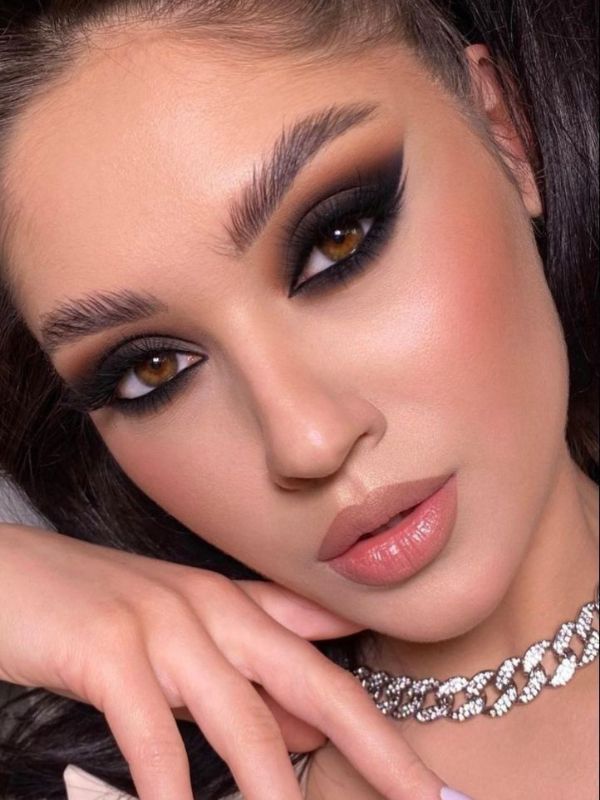
Smokey eye makeup is an eyeshadow technique that uses different shades blended together to create depth, softness and definition around the eyes. The look usually involves darker eyeshadow around the eyelid, lash line or outer corner, with lighter or medium shades blended around it to soften the edges. The result is an eye makeup look that appears diffused rather than sharply outlined.
A classic smokey eye often features black, charcoal or deep gray eyeshadow, but those colors are not the only way to create the effect. Brown smokey eye makeup is a popular softer alternative, and shades such as caramel, cocoa, taupe, bronze and espresso can create a beautiful smoky finish without making the eyes look as dark.
What separates smokey eye makeup from simply applying dark eyeshadow is the blending. Applying a dark shade across the eyelid without softening its edges can create a solid block of color. In a smokey eye, the shades gradually transition into each other. The darkest color usually has a more concentrated placement, while the surrounding shades help create a softer border.
The technique can be adapted to different makeup styles. A light brown smokey eye can be used for everyday makeup, while deep brown, black or charcoal can create a more dramatic look for parties, evening events, weddings or special occasions. Some people prefer a matte smokey eye, while others add shimmer to the center of the eyelid or inner corner.
A smokey eye is not about making your eyelids as dark as possible. It is about using shade placement and blending to create a soft, defined eye.
What You Need to Create Smokey Eye Makeup
You do not need a huge eyeshadow collection to create a beautiful smokey eye. A few complementary shades, the right brushes and a little patience can make the process much easier. The products you choose will depend on how soft or dramatic you want the final look to be, but there are a few essentials that are helpful to have.
If you are building your makeup routine from scratch, this makeup tutorial for beginners also walks through the basic products and application steps, including foundation, eyeshadow, eyeliner and mascara.
Eyeshadow primer
An eyeshadow primer helps create a base for your eyeshadow. It can help the product apply more evenly and reduce creasing or fading, depending on the formula and your eyelid condition. This is especially useful when working with darker eyeshadows because uneven oiliness or a slippery base can make pigment harder to control.
Apply a thin layer of primer across the eyelid and, if needed, slightly above the crease where you plan to blend your transition shade. You do not need a thick layer. Too much primer can leave the eyelid overly tacky, making eyeshadow difficult to blend smoothly.
If you do not have an eyeshadow primer, a small amount of suitable concealer can sometimes be used as an alternative. However, it should not be excessively creamy or applied in a thick layer. Depending on the concealer, you may need to lightly set it with a neutral eyeshadow before adding darker shades.
Eyeshadow palette
A palette containing neutral shades is particularly useful for smokey eye makeup. Look for a combination of light, medium and dark colors that can work together.
A practical palette might include:
- A light beige or soft neutral shade.
- A medium brown or taupe transition shade.
- A deeper brown.
- An espresso or dark chocolate shade.
- A black or charcoal shade.
- A shimmer or metallic shade, if you like adding shine.
The lighter and medium shades help soften the edges of darker colors, while the deeper shades create definition. You can use a small palette with three or four shades if you are learning the technique.
Blending brushes
Blending brushes are among the most useful tools for creating smokey eye makeup.
A fluffy blending brush helps soften eyeshadow edges, especially around the crease and outer corner. Its softer bristles distribute color more gradually, making it easier to create a diffused effect.
A smaller blending brush is useful when you want to work in a more precise area, such as the outer corner or crease. If your eyes are smaller or you want a more controlled smokey eye, using a brush that is not too large can help prevent the shadow from spreading too far.
You can also keep a clean blending brush nearby. It is useful for softening edges without adding more pigment.
Flat eyeshadow brush
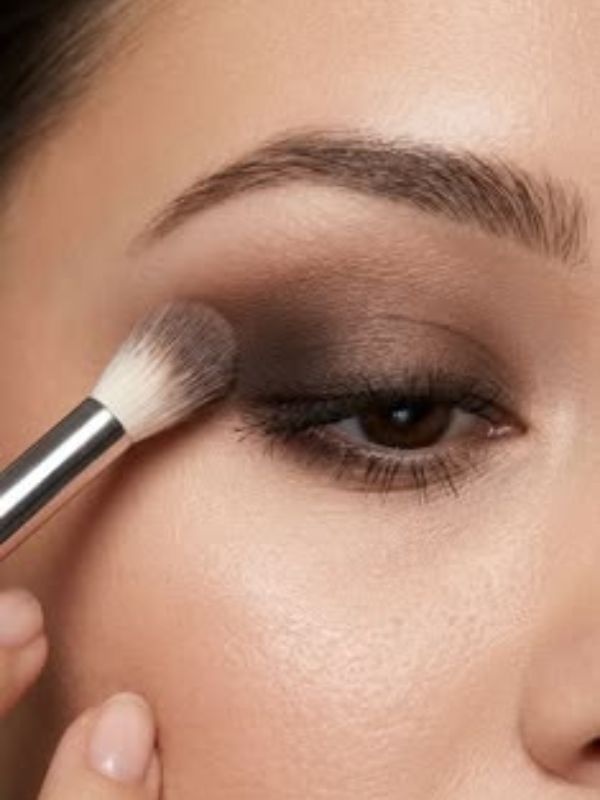
A flat eyeshadow brush is useful for placing pigment on the eyelid. It helps you press the eyeshadow into the lid instead of sweeping it everywhere, which is particularly helpful with dark shades.
When working with black or deep brown eyeshadow, pressing the pigment onto the eyelid can give you more control over where the color goes. It also allows you to build intensity in small layers.
Pencil brush or small detail brush
A pencil brush is useful for applying eyeshadow to the lower lash line, the outer corner and areas that require more precise placement.
For a smokey eye, you may want to use a small brush to add dark brown or black close to the lower lashes. This creates a more connected appearance between the upper and lower eye makeup without spreading the shadow too far.
Eyeliner
Black or brown eyeliner can help define the lash line and make a smokey eye look more complete. Pencil eyeliner is particularly useful when you want to smudge it into the eyeshadow.
A creamy pencil can be applied along the upper lash line and softened with a small brush. This creates a less sharp finish than a crisp liquid eyeliner and works well with a classic smokey eye.
Mascara or false lashes
Mascara helps define your natural lashes and brings the eye makeup together. With a soft brown smokey eye, one or two coats of mascara may be enough. A dramatic black smokey eye can be paired with fuller lashes if you want more intensity.
False lashes are optional. They can add volume or length, but a smokey eye does not need them to look complete.
How to Choose Eyeshadow Shades for Smokey Eye Makeup
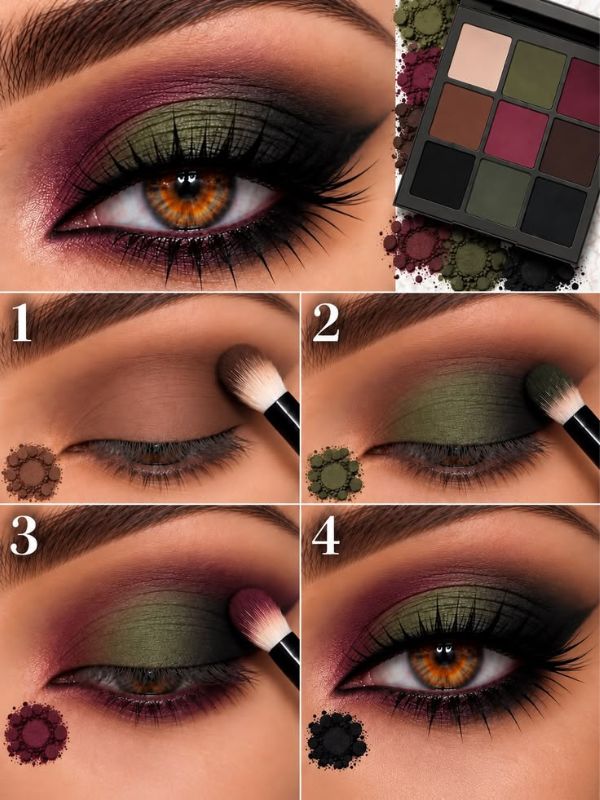
Choosing the right eyeshadow shades makes a difference in how your smokey eye turns out. You do not need to use the darkest color in your palette from the beginning. In fact, starting with a medium shade often makes it easier to create a smooth transition between your eyelid color and the surrounding skin.
The colors you choose will also determine how dramatic the look feels. A combination of caramel and brown creates a different effect from charcoal and black, even when you follow the same blending technique.
Soft brown shades for a natural smokey eye
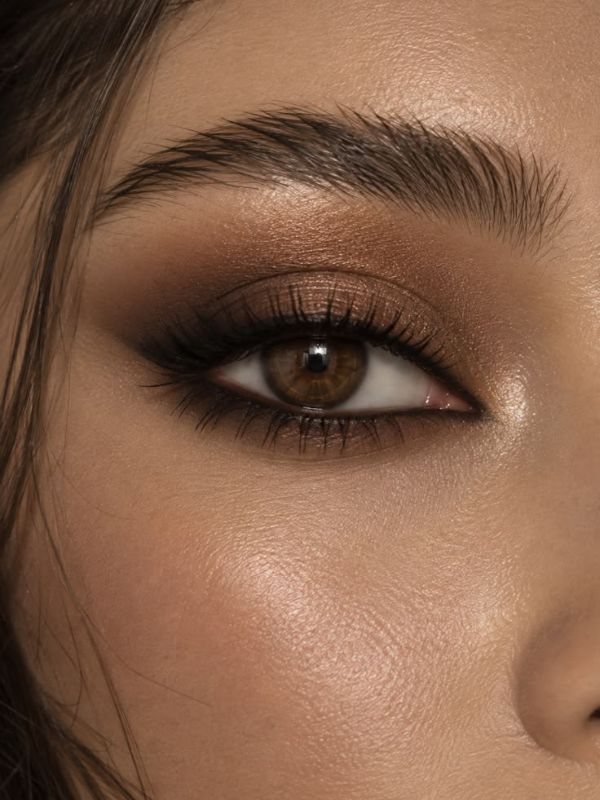
Brown is a good starting point for a smokey eye because it gives you room to build definition without immediately creating a very dark look. Shades such as caramel, warm cocoa, taupe, cinnamon brown and chestnut can be used to create a soft gradient across the eyelid.
A light or medium brown can work as your transition shade, while a deeper brown can be placed in the outer corner or along the lash line. If you want the look to remain soft, you can keep the lid relatively light and concentrate the darker shade toward the outer part of your eye.
Brown smokey eye makeup is also easy to adjust. You can make it more subtle by using less pigment or deepen it by adding espresso brown. This makes brown a useful choice for someone learning to blend eyeshadow or for anyone who likes eye makeup that is defined without looking too heavy.
Dark brown shades for more definition
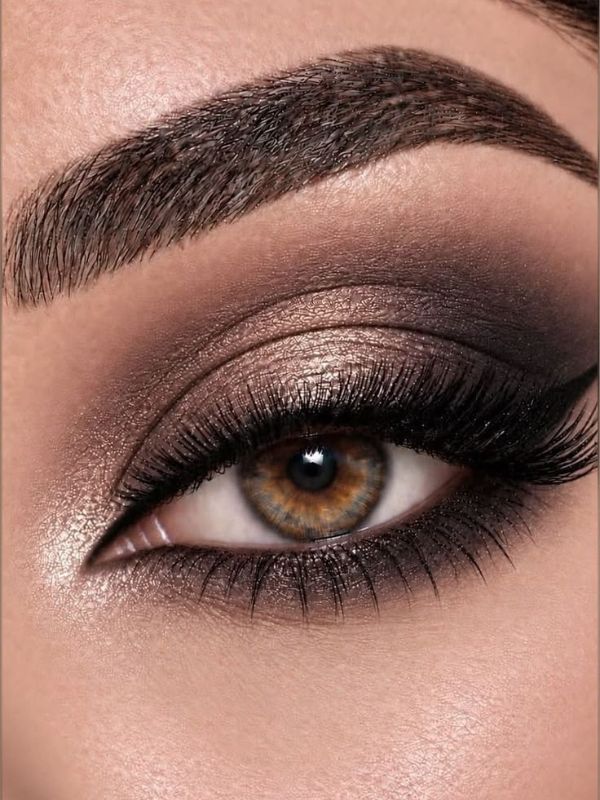
Deep chocolate, espresso and dark cocoa shades can make a brown smokey eye look richer. They are useful when a medium brown is not giving you enough definition, but you do not want to use black eyeshadow.
Dark brown can be applied to the outer corner, the crease or close to the upper lash line. It can also be used to smudge eyeliner, creating a soft, defined effect.
When using deep brown, remember that the shade can become darker as you build it up. Start with a small amount and blend the edges before deciding if you need more.
Black eyeshadow for a dramatic smokey eye
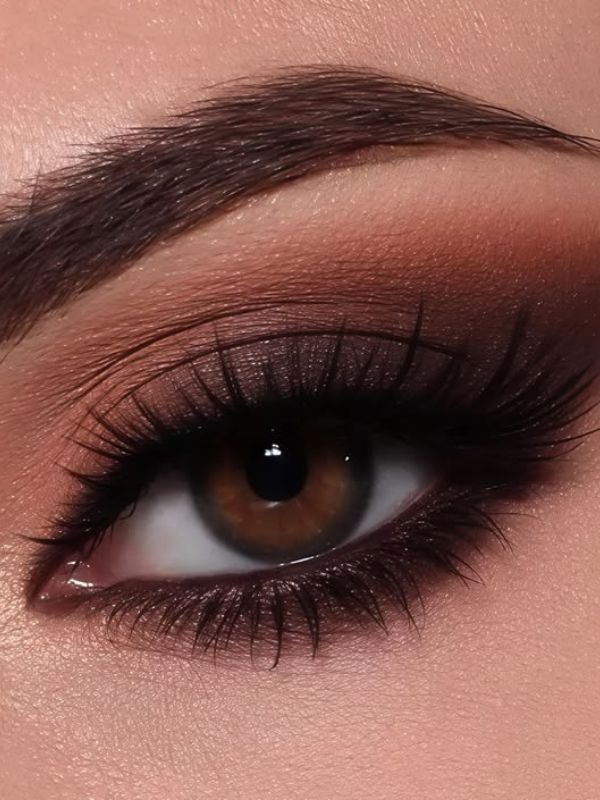
Black is often associated with the classic smokey eye because it creates strong contrast and gives the eyelid a deeper, more dramatic appearance. It can be used across the eyelid, concentrated around the outer corner or applied close to the lash line for a more restrained effect.
Black eyeshadow is highly pigmented in many palettes, so it is worth picking up less product than you think you need. Tap off excess pigment before applying it and build the shade in small layers.
You do not have to cover your entire eyelid with black to create a black smokey eye. A black outer corner blended into brown can give you a beautiful smoky effect while keeping the rest of the lid lighter.
Gray, charcoal, bronze and other shades
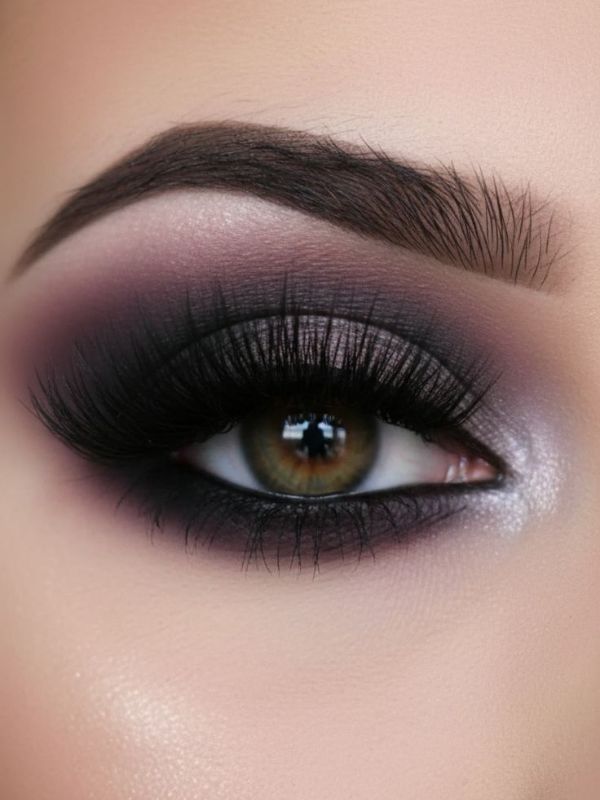
A smokey eye can also be created with colors outside the traditional brown and black combination.
- Charcoal and gray: These create a cool-toned smokey effect and can be paired with taupe or black.
- Bronze: Bronze eyeshadow can add warmth and dimension, particularly when paired with brown.
- Plum: Deep plum shades can create a soft, colorful smokey eye that still feels wearable.
- Navy: Navy can add depth and color while giving the smokey eye a slightly different finish.
- Rose-brown: Muted rose-brown shades can create a softer, warmer eye look.
The important thing is to select shades that can blend into each other. A good combination usually has a lighter shade, a medium transition color and a deeper shade for definition.
How to Prepare Your Eyes Before Applying Smokey Eye Makeup
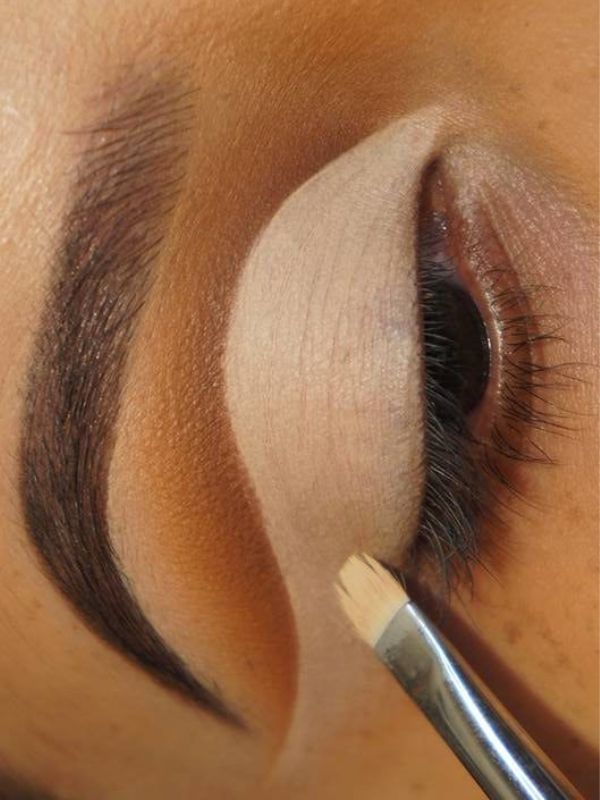
Preparing your eyelids before applying eyeshadow can make the blending process easier. Darker eyeshadows tend to reveal uneven application more clearly, so starting with a smooth base can help you work with the colors more comfortably.
Begin by making sure your eyelids are clean. If you have skincare or moisturizer around your eyes, allow it to settle before applying your makeup. Excess product on the eyelids can sometimes make eyeshadow slide around or become uneven.
Apply a small amount of eyeshadow primer to the eyelid. Spread it evenly with your fingertip or a small brush, taking care not to apply too much. The base should feel comfortable rather than excessively sticky or slippery.
If you are using concealer instead of primer, apply a thin layer and blend it carefully. Some concealers work better as eyeshadow bases than others, so you may need to lightly set the base with a neutral powder eyeshadow. The goal is to create a surface that allows the transition shade to blend without dragging.
You may also want to do your eye makeup before foundation, especially when using black, charcoal or deep brown eyeshadow. Dark eyeshadow can fall beneath the eyes during application, and cleaning it up is often easier before your complexion makeup is finished.
If you prefer to apply foundation first, place a little loose powder beneath your eyes to catch fallout. You can brush it away afterward, although this method may not work equally well with every complexion product.
Take a moment to look at your eyelids with your eyes open before starting. This is particularly helpful if you have hooded eyes because it allows you to see how much of your eyelid and crease area is visible. It can guide where you place your transition shade and how far you blend it.
Good preparation does not need to be complicated. A clean eyelid, a suitable base and the right brushes are enough to get started.
How to Create Smokey Eye Makeup Step by Step
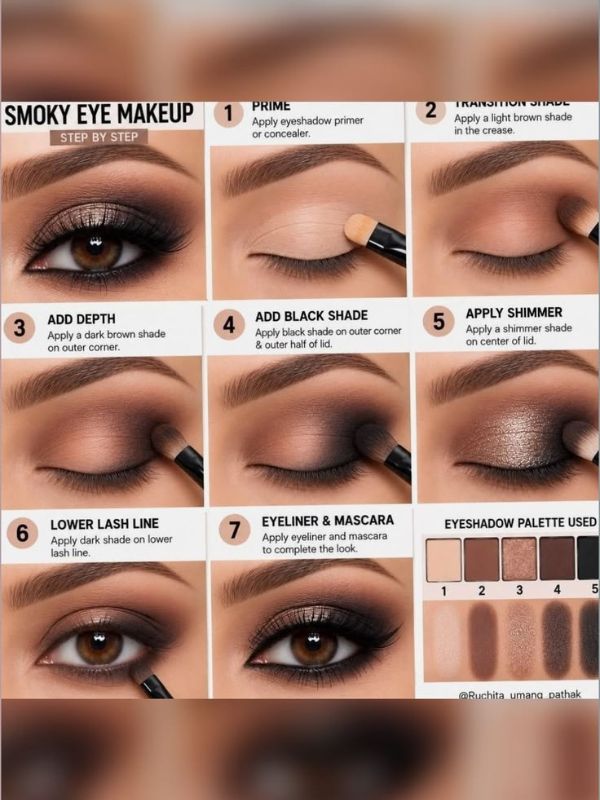
The easiest way to create smokey eye makeup is to work from softer shades to deeper ones. Instead of applying several colors at once and trying to blend them together, build the look in stages. Each shade has a purpose, and keeping the placement controlled helps you maintain the definition you want.
If you are still learning how to blend and layer eyeshadow, this eyeshadow tutorial for beginners explains the basic techniques and gives you more practice with different eyeshadow looks.
Step 1: Apply an eyeshadow base
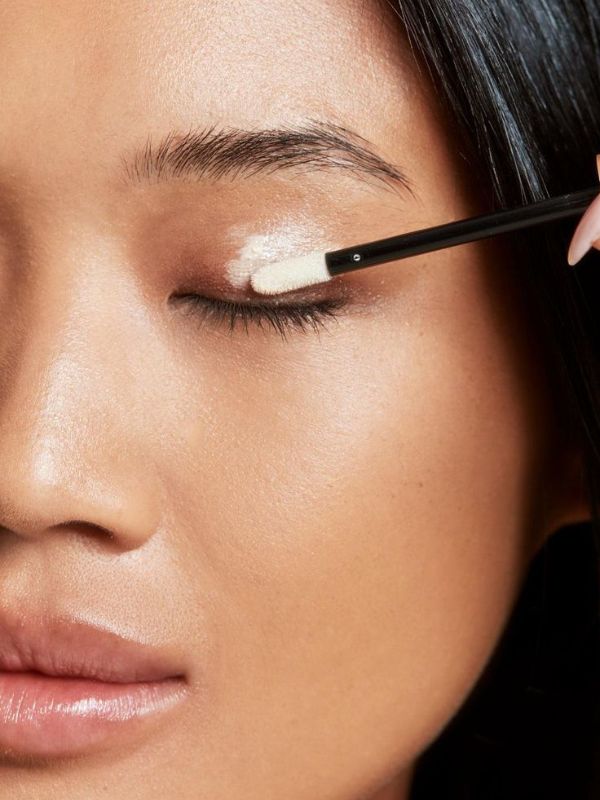
Start by applying a thin layer of eyeshadow primer across your eyelid. Blend it evenly and allow it to settle for a moment.
If your primer is particularly tacky, you can lightly set it with a skin-toned eyeshadow. This can make the surface easier to work on, although some primers are designed to remain slightly tacky so that pigment adheres better.
The base should not be thick or uneven. A heavy layer of primer or concealer can make eyeshadow crease or become difficult to blend.
Step 2: Apply your transition shade
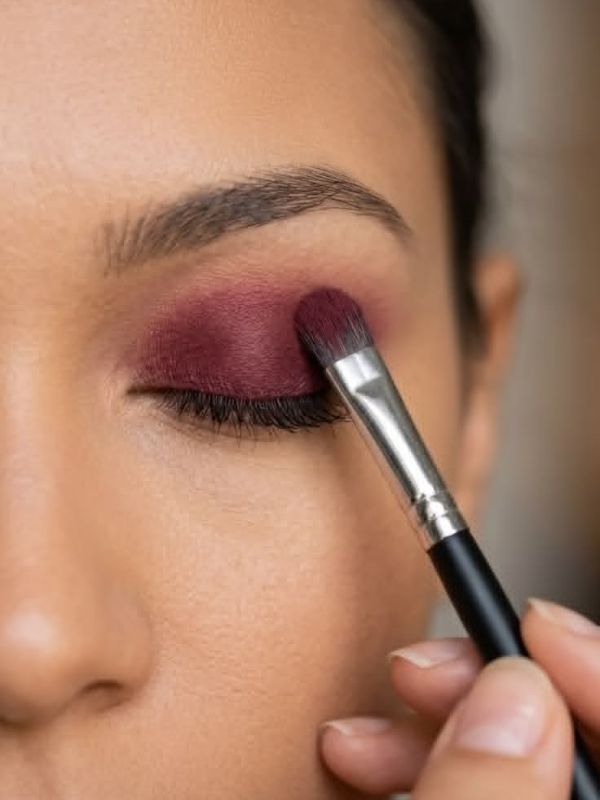
Pick a medium eyeshadow shade that is lighter than the darkest color you plan to use. For a brown smokey eye, caramel, medium brown, taupe or a soft neutral shade can work as a transition color.
Using a fluffy blending brush, apply the shade around the crease and slightly above it, depending on your eye shape. Start with a small amount of pigment and use light circular movements or gentle back-and-forth strokes.
The transition shade creates a softer area between the darker eyeshadow and the surrounding skin. It helps the darker color blend into the rest of the eye makeup instead of ending in a harsh line.
Do not take the shade too close to your brow unless you want a more exaggerated eyeshadow look. Keep the placement controlled, especially if you are working with a larger fluffy brush.
If you have hooded eyes, check the placement with your eyes open. You may need to blend the transition shade slightly above the natural crease so that the color remains visible.
Step 3: Add a deeper shade to the crease and outer corner
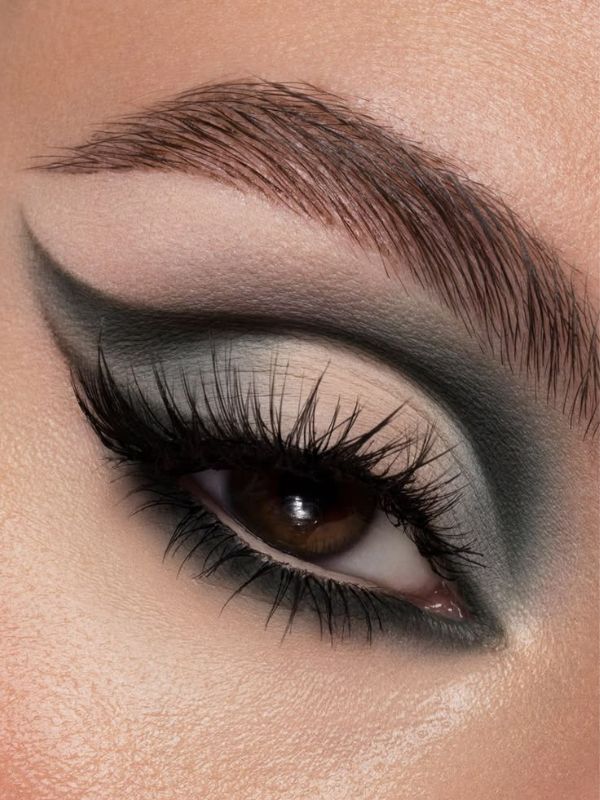
Choose a deeper shade, such as dark brown, espresso or charcoal, depending on your desired look.
Use a smaller blending brush to place the shade around the outer corner of your eye. You can also add a little color to the crease, but avoid applying too much pigment immediately.
The outer corner is a useful area for building depth because it can help create a more defined shape. For a soft smokey eye, concentrate the deeper color toward the outer third of the eyelid and blend it gently into the transition shade.
Use small movements rather than sweeping the dark color across the entire eye. If you want an elongated effect, you can blend the outer corner slightly outward. If you prefer a rounded effect, keep more of the pigment concentrated around the outer corner and crease.
After applying the deeper shade, use your blending brush to soften the edges. The darker shade should remain visible, but its boundaries should not look sharply outlined.
Step 4: Apply the darkest eyeshadow to the eyelid
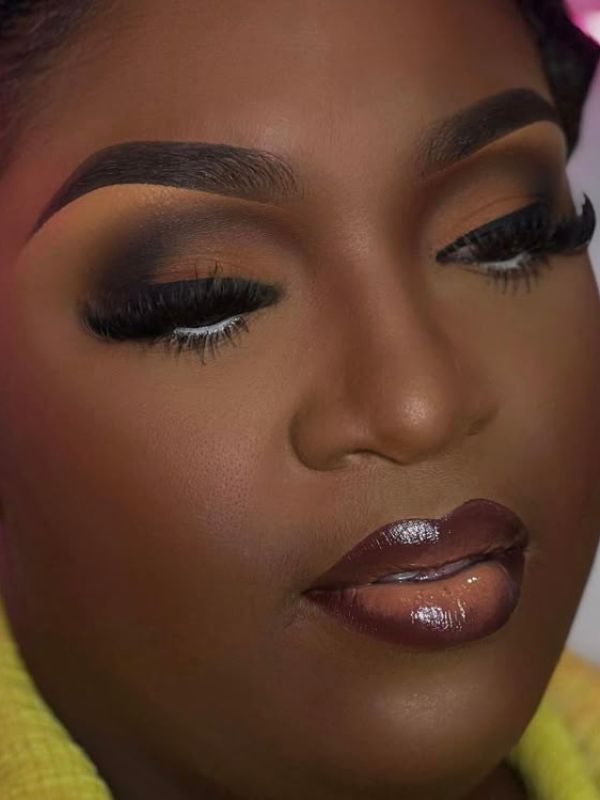
Now you can add your darkest eyeshadow. This may be deep brown, black, charcoal or another shade depending on the look you are creating.
Use a flat eyeshadow brush to pick up a small amount of pigment. Tap off excess powder before pressing the shade onto your eyelid.
For a brown smokey eye, you can use espresso or dark chocolate across the outer portion of the lid. For a black smokey eye, start with black near the lash line or outer corner before gradually building the shade.
Pressing the pigment onto the lid helps keep the color concentrated. If you immediately use sweeping movements with a dark shade, it can spread farther than intended and become harder to control.
Work in small sections. Add a little pigment, check the placement and repeat if necessary. You can always deepen the color, but removing excess dark eyeshadow can take more time.
Step 5: Blend the edges
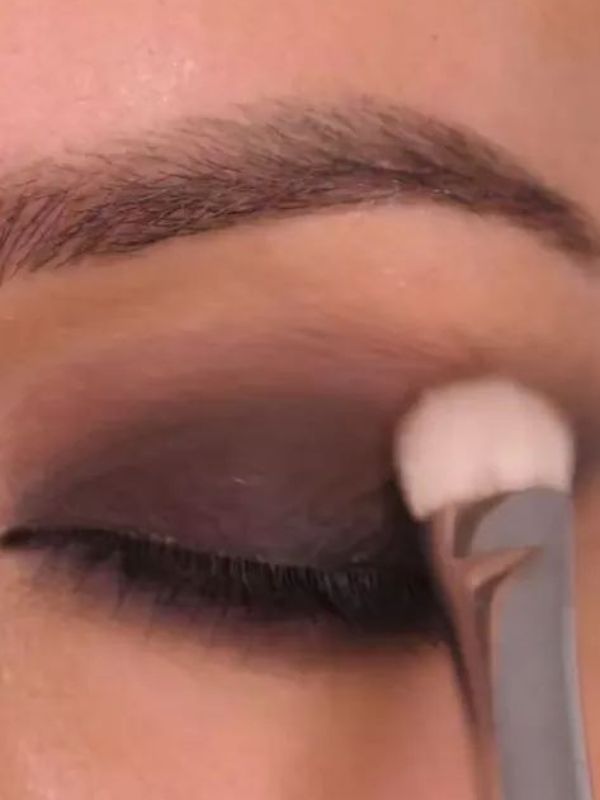
This is the step that gives smokey eye makeup its characteristic soft appearance.
Use a blending brush to soften the border where the darkest shade meets the transition shade. Focus on the edges rather than blending the entire eyelid repeatedly.
If the dark shade is not blending easily, you can pick up a small amount of your transition shade and lightly blend around the border. This can help create a smoother gradient without spreading the darkest color too far.
Avoid using too much pressure. Light movements are often more effective for softening eyeshadow than aggressively rubbing the brush back and forth.
A smokey eye should still have visible depth. If you blend everything until all the shades look identical, you may lose the contrast that makes the look interesting.
Take a step back and check your eyes in the mirror. If the edges look harsh, blend them a little more. If the darker shade has disappeared, add a small amount of pigment back to the lid.
Step 6: Apply eyeliner along the lash line
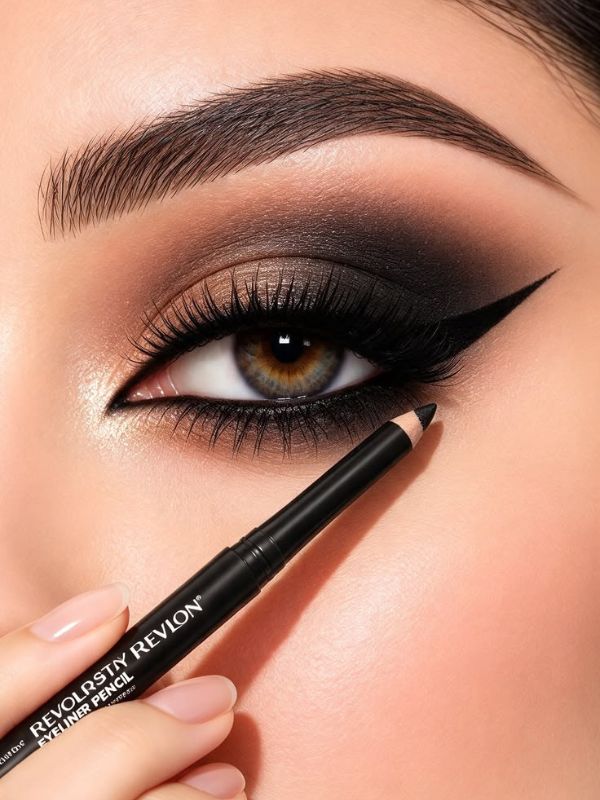
Eyeliner can help connect the eyeshadow with your lashes and make the look more defined.
For a classic smokey eye, a black or brown pencil eyeliner is often useful because it can be smudged. Apply it close to the upper lash line, working in small sections.
You do not have to create a perfect line. If you intend to smudge the liner into your eyeshadow, a slightly uneven pencil line can be softened with a small brush.
Use a pencil brush or a small eyeshadow brush to blend the eyeliner into the darker shadow. This helps prevent the eyeliner from looking disconnected from the rest of the eye makeup.
If you prefer a sharper wing, you can use liquid eyeliner instead. A crisp wing is a different finish from a fully smudged smokey liner, but it can still work with smokey eyeshadow.
Step 7: Smoke out the lower lash line
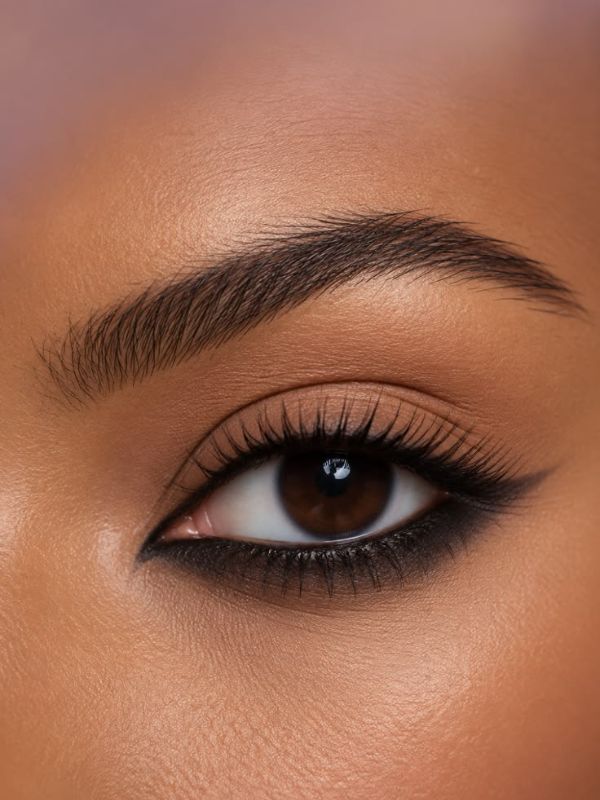
The lower lash line helps balance the upper eyelid and can make the look feel more complete.
Use a small brush to apply a medium brown shade close to the lower lashes. If you are creating a dramatic look, you can add a little deeper brown or black to the outer portion of the lower lash line.
Keep the placement close to the lashes at first. The lower lash line does not need to be covered with dark eyeshadow from corner to corner.
For a soft brown smokey eye, a little brown eyeshadow beneath the lower lashes may be enough. For a black smokey eye, you can deepen the outer two-thirds of the lower lash line and blend it into the upper shadow.
Avoid applying too much pigment beneath the eyes in one go. Dark eyeshadow can look heavy when it spreads too far down, especially if the upper eyelid is relatively light.
Step 8: Add shimmer or brighten the inner corner
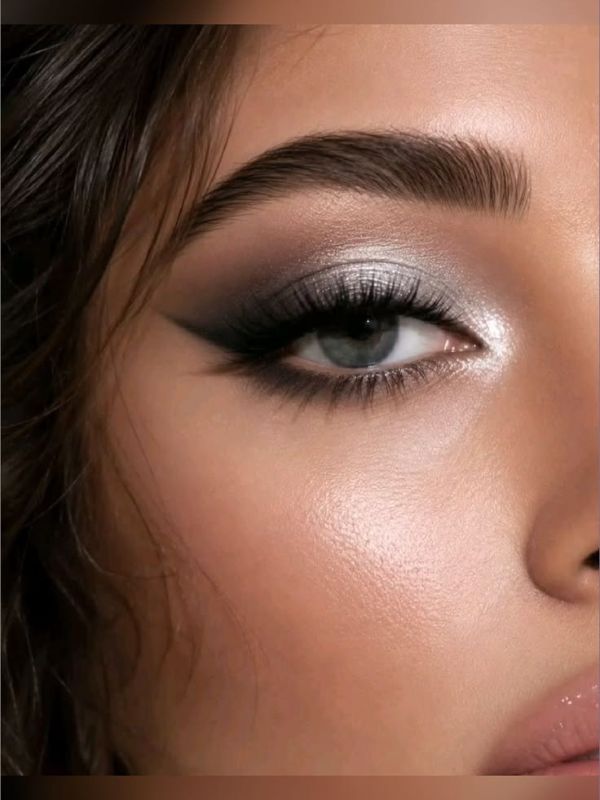
This step is optional, but shimmer can add another dimension to your smokey eye.
You can apply a bronze, champagne, gold or silver shade to the center of the eyelid, depending on the colors you are using. Press the shimmer gently onto the lid rather than blending it extensively into the matte shades.
If you prefer a matte smokey eye, skip this step. Matte eyeshadow alone can create a beautiful result.
You can also add a small amount of lighter eyeshadow to the inner corner of the eye. This can add brightness to the area and contrast with the darker shades. Use a small brush and keep the placement controlled.
Step 9: Finish with mascara or lashes
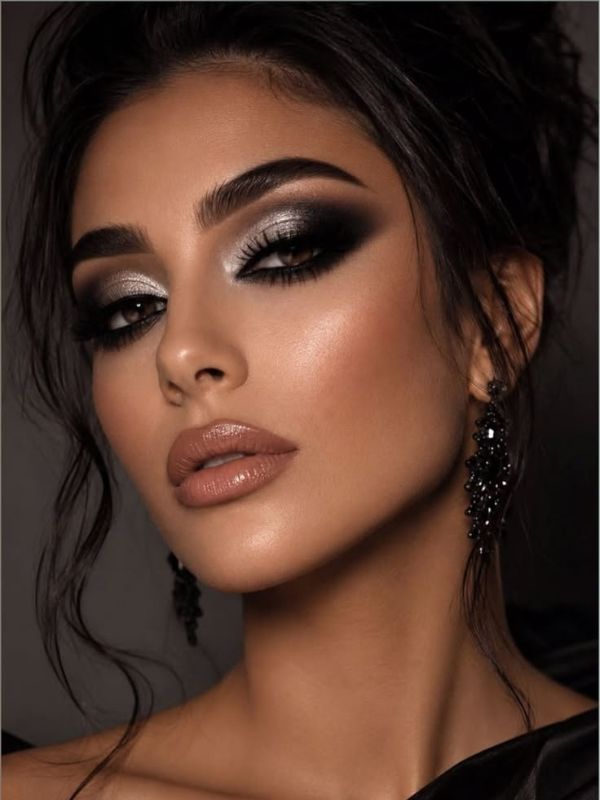
Apply mascara to your upper lashes, separating them as you go. If you want more definition, you can add mascara to your lower lashes, although this is optional.
For a more dramatic look, false lashes can add volume and length. Choose a lash style that complements the smokey eye rather than competing with it. A fuller lash can work beautifully with black eyeshadow, while a lighter lash may be enough for a soft brown look.
Allow mascara to dry before touching up the rest of your makeup.
Step 10: Clean up the edges
Once your eyeshadow is finished, check for fallout beneath the eyes and around the outer corner.
Use a clean brush, makeup remover or a little concealer to clean up the area, depending on how much correction is needed. If you want a sharper outer edge, you can clean beneath the outer corner and blend the complexion makeup afterward.
If one eye looks slightly darker than the other, adjust it with small amounts of eyeshadow instead of trying to remove everything. Add a little pigment where needed or soften the edge of the darker eye.
The finished look should have a visible transition from the lighter shades to the darker ones, with the depth concentrated where you intended it to be.
Soft Brown Smokey Eye Makeup for an Everyday Look
Soft brown smokey eye makeup is a great starting point when you want a defined eye without using very dark eyeshadow.
Brown shades can create a smoky effect without the intensity of black, and the look can be adjusted easily depending on how much definition you want. It can be worn with simple complexion makeup, a nude lip or a more polished evening makeup look.
Start with a light or medium brown transition shade. Blend it into the crease and slightly above it, keeping the color soft. You can use caramel, taupe, chestnut or another medium shade that works with the rest of your palette.
Next, choose a deeper brown. Apply it to the outer corner of your eyelid, concentrating the pigment in a smaller area. Blend it gently into the transition shade so the two colors do not have a harsh boundary.
If you want the lid to remain light, leave the center of the eyelid relatively untouched or apply a lighter matte shade. If you prefer a more defined look, you can add a little dark brown closer to the lash line.
Brown eyeliner works well with this version of smokey eye makeup. Apply it along the upper lash line and smudge it slightly into the eyeshadow. You can also use a dark brown eyeshadow to soften the liner.
For the lower lash line, use a small amount of medium brown. Blend it close to the lashes and avoid extending the shade too far down. This helps keep the eye makeup balanced.
Finish with mascara. You can add a subtle shimmer to the inner corner or center of the eyelid if you like, but the look does not need shimmer to feel complete.
How to make a brown smokey eye look soft and blended
The main thing to pay attention to is the placement of the darker shade. If you want a soft look, keep most of the deep brown toward the outer corner and lash line. Do not spread it across the entire eyelid unless you want more intensity.
Use a clean blending brush to soften the edges. If the transition shade looks too faint, add a little more rather than immediately reaching for the darkest color.
A soft brown smokey eye can be paired with peach, pink, rose, nude or brown lipstick. The choice depends on the overall makeup style you want. You can keep the lips understated or add a deeper lip color if you prefer a more polished look.
Dark Brown Smokey Eye Makeup for More Definition
Dark brown smokey eye makeup is a beautiful middle ground between a soft brown look and a dramatic black smokey eye. It gives the eyes more depth but can feel less stark than black, especially when the shades are blended carefully.
This look is useful when you want your eye makeup to stand out without using an entirely black eyelid. Deep chocolate, espresso and dark cocoa shades can create a rich, defined effect.
Begin with a medium brown transition shade around the crease. Blend it gently so it creates a soft border for the deeper color.
Next, apply a dark brown shade to the outer corner of the eyelid. You can also place some of the pigment along the upper lash line, gradually connecting the areas. Use a smaller brush to keep the color concentrated.
If you want the eyelid to look deeper, press espresso brown onto the outer half of the lid. You can extend it slightly toward the center, but avoid applying too much at once. The darker color should blend into the medium brown without making the entire eyelid look like one shade.
Use a clean blending brush to soften the edges. If necessary, pick up a little of your transition shade and blend around the border of the espresso shade.
Dark brown eyeliner can be used to define the lash line, although black eyeliner will create more contrast. You can smudge the liner into the eyeshadow for a soft finish.
For the lower lash line, apply a little medium brown and deepen the outer corner with espresso. Keep the lower lash line balanced with the upper eyelid so that the look does not become unnecessarily heavy.
Finish with mascara or lashes. This look works well for evening makeup, dinner, parties and occasions where you want more definition than a soft brown smokey eye provides.
Black Smokey Eye Makeup for a Dramatic Look
Black smokey eye makeup is a classic look that can make the eyes appear deeply defined. It is often associated with evening makeup, parties and bold beauty looks, but the technique can be adjusted to suit different preferences.
Black eyeshadow is one of the shades that can be difficult to blend when too much is applied at once. The color may become patchy, spread beyond the intended area or lose its definition after repeated blending. Working in layers makes the process easier to control.
Start with a transition shade
Begin with a medium brown, taupe or gray shade around the crease and slightly above it. This creates a softer area where the black eyeshadow can blend.
The transition shade is particularly useful because black can look harsh when it meets bare skin without a gradual change in color. You can use a warm brown for a warmer look or taupe and gray for a cooler black smokey eye.
Build black eyeshadow gradually
Use a small flat brush to pick up black eyeshadow. Tap off excess product before pressing it onto the outer corner of your eyelid or along the lash line.
Start with a small amount. If you want a more intense look, add another layer after the first one has been placed and blended.
You can extend the black across more of the eyelid as you build the color, but it is not necessary to cover the entire lid. A black outer corner blended into brown can still create a dramatic smokey effect.
Blend the black into the transition shade
Use a small blending brush to soften the upper edge of the black eyeshadow. Focus on the area where the black meets the brown or gray shade.
Avoid repeatedly blending the black across the entire eyelid. This can spread the pigment too far and make it difficult to maintain the shape.
If the edges look harsh, add a little transition shade around the border and blend gently. Keep the darkest pigment concentrated on the eyelid, outer corner or lash line.
Add black eyeliner
Black eyeliner can help intensify the lash line. Apply a pencil eyeliner close to the upper lashes and smudge it into the black eyeshadow with a small brush.
For a dramatic finish, you can add a wing. If you want a softer look, keep the liner smudged rather than sharply defined.
Balance the lower lash line
Apply a small amount of medium shade beneath the lower lashes before adding black. This helps the lower eye makeup blend into the upper look.
You can deepen the outer portion of the lower lash line with black, but keep the pigment close to the lashes and blend it carefully. The lower lash line should not necessarily be as dark as the upper eyelid.
Finish with lashes
Mascara helps define your lashes against the dark eyeshadow. False lashes can add more volume and make the look feel even more dramatic, particularly if the black eyeshadow is heavily concentrated on the eyelid.
A black smokey eye can look very different depending on how the pigment is placed. You can create a soft, smudged black look or a deeply layered eye with a stronger outer corner. The key is not to rush the application.
Smokey Eye Makeup for Different Eye Shapes
The placement of eyeshadow can change the appearance of a smokey eye. A technique that looks beautiful on one person may need slight adjustments on another, especially when the crease, eyelid space or outer corner differs.
The aim is not to follow strict rules for each eye shape but to understand how to position the eyeshadow so that the finished look is visible and balanced.
Smokey eye makeup for hooded eyes
With hooded eyes, some of the eyelid may be covered by skin when the eyes are open. This can make eyeshadow applied directly into the natural crease less visible.
When creating smokey eye makeup for hooded eyes, check your placement with your eyes open. Apply the transition shade slightly above the natural crease if needed so that the blended color remains visible.
Keep the darkest shade in a controlled area, such as the outer corner or close to the lash line. Applying too much dark pigment above the crease may make the eyeshadow look heavier than intended.
A smaller blending brush can help with precise placement, especially if you have limited space between the crease and brow.
Smokey eye makeup for almond-shaped eyes
Almond-shaped eyes can work well with a variety of smokey eye placements. You can concentrate the darker shade toward the outer corner and blend it outward to create an elongated effect.
Apply the transition shade around the crease, then use a deeper color on the outer third of the eyelid. You can also smudge eyeliner along the upper lash line to add definition.
The shape can be adjusted to your preference. A more rounded placement creates a different effect from an elongated outer corner, so experiment with the direction of your blending.
Smokey eye makeup for round eyes
If you want to create a more elongated smokey eye, place the darker shade toward the outer corner and blend it slightly outward.
Avoid spreading the darkest shade too evenly across the entire eyelid if you want the eye makeup to have more directional shape. A little concentration at the outer corner can help create a more elongated appearance.
You can also apply eyeliner along the upper lash line and softly extend it outward.
Smokey eye makeup for monolid eyes
With monolid eyes, the visible eyelid area and fold structure differ from other eye shapes. Eyeshadow placement may need to be adjusted so that the smoky effect remains visible when the eyes are open.
Start with a transition shade and check the placement in the mirror with your eyes open. You can build the darker shade along the lash line and gradually blend it upward into the visible lid area.
A small blending brush can help keep the colors controlled. You may find that a slightly elongated placement or a concentrated lash-line smokey effect works well, depending on the look you want.
Smokey eye makeup for downturned eyes
For a smokey eye that creates a lifted visual effect, you can direct the darker shade toward the outer corner and blend it slightly upward rather than downward.
The placement should remain soft. If the eyeshadow extends too far below the outer corner, it may emphasize the downward direction of the eye makeup.
Use a transition shade to soften the upper edge and keep the lower lash line relatively controlled. A smudged upper lash line and a slightly lifted outer corner can help create a balanced look.
Smokey Eye Makeup Looks You Can Try
Once you understand the basic blending technique, you can experiment with different shades instead of relying on the same brown or black combination every time. The following variations use the smokey eye technique but create different finishes.
Soft taupe smokey eye
Taupe smokey eye makeup is a good option if you prefer muted, neutral shades. Taupe can have gray, brown or slightly cool undertones, depending on the eyeshadow.
Apply a medium taupe shade around the crease and blend it gently. Add a deeper taupe or brown to the outer corner, keeping the eyelid relatively light.
You can use a taupe pencil eyeliner and smudge it along the lash line. Finish with mascara for a simple, softly defined look.
Bronze smokey eye
A bronze smokey eye can add warmth and dimension. Start with a brown transition shade and deepen the outer corner with espresso or dark brown.
Apply bronze eyeshadow to the center or inner portion of the eyelid, depending on your preferred placement. You can use a matte bronze or a shimmer formula.
Blend the bronze into the deeper brown without spreading the shimmer too far into the crease. Finish with brown or black eyeliner and mascara.
Brown and black smokey eye
Brown and black work well together when you want a smokey eye that has more depth but still retains a softer transition.
Begin with a medium brown shade. Apply black to the outer corner or along the lash line, then blend the edges into the brown.
The brown shade helps soften the black, while the black adds definition. You can deepen the look gradually or keep the black concentrated in a small area.
Gray smokey eye
Gray smokey eye makeup can create a cool-toned look. Start with a light gray or taupe shade and add charcoal to the outer corner.
Blend the charcoal into the lighter shade. You can add black eyeliner for more definition or use charcoal eyeshadow to smudge the lash line.
If you want a slightly brighter eyelid, add a subtle silver shimmer to the center. A matte gray smokey eye can also look beautiful without shimmer.
Plum smokey eye
Plum smokey eye makeup is a way to add color while keeping the overall look relatively muted.
Start with a neutral brown transition shade, then add plum eyeshadow to the outer corner or eyelid. A deeper plum can be used to add definition.
Blend the shades carefully so that the plum does not become a harsh block of color. You can pair it with brown eyeliner or a deeper plum shade along the lash line.
Smokey eye makeup with shimmer
Shimmer can be added to almost any smokey eye combination. It works particularly well when you want to contrast a matte crease with a brighter eyelid.
After applying and blending your matte shades, use a flat brush or fingertip to press shimmer onto the center of the eyelid. Avoid blending it extensively into the crease if you want the shimmer to remain concentrated.
Champagne, bronze, gold, silver and rose-gold shades can be used depending on the rest of your eyeshadow.
Shimmer is optional. The smoky effect comes from the placement and blending of shades, not from the presence of glitter or metallic eyeshadow.
How to Make Smokey Eye Makeup Look Blended Instead of Muddy
One of the frustrating things about smokey eye makeup is that the eyeshadow can start looking muddy after several rounds of blending. The colors may have looked beautiful when you first applied them, but after repeatedly moving the brush across the eyelid, the shades lose their separation and the entire eye starts looking like one dark patch.
A well-blended smokey eye still has depth, contrast and visible color transitions. Blending should soften the edges, not remove the character of every shade.
Here are a few things that can help.
Use shades that have enough contrast
If your transition shade and deeper shade are too similar, you may struggle to create visible dimension. Choose a medium shade that can sit between your lighter base and darkest eyeshadow.
For example, caramel, medium brown and espresso can work together because they have different levels of depth. The medium brown or caramel helps soften the espresso shade without making the entire eye look the same color.
You do not need a large number of shades. Three complementary colors can be enough to create a beautiful gradient.
Avoid mixing too many colors together
Using several eyeshadow shades can be fun, but adding too many colors without a clear placement plan can make blending difficult.
If you are creating a brown smokey eye, you might start with caramel, add medium brown and finish with espresso. Each color has a purpose. Adding several additional browns that are very similar may not improve the look.
Keep your shade selection simple until you are comfortable with the technique.
Use the right brush for each area
A large fluffy brush can spread color over a wide area, which is useful for a transition shade but not always ideal for applying black eyeshadow.
Use a smaller brush to place deeper shades and a fluffy brush to soften their edges. A clean brush can also help you blend without adding more pigment.
If the entire eyelid starts looking too dark, stop blending for a moment. Check where the pigment has moved before continuing.
Blend the edges, not the entire eyelid
When blending a smokey eye, focus on the areas where two shades meet. You do not need to repeatedly sweep your brush over the entire lid.
If your dark shade is on the outer corner, blend the boundary between the dark shade and the transition shade. Keep the deepest color concentrated where you originally placed it.
This approach helps maintain the shape and depth of your eyeshadow.
Build pigment gradually
Applying too much dark eyeshadow at once can make it difficult to control the look. If the pigment spreads too far, you may need to remove some of it or add lighter shades to correct the placement.
Start with a small amount and build the color in layers. This is especially useful when working with black eyeshadow because it can be more difficult to correct than a lighter brown.
Common Smokey Eye Makeup Mistakes and How to Fix Them
Smokey eye makeup is easier to work with when you understand what can go wrong and how to correct it. Some mistakes happen because too much product is applied, while others come from blending without paying attention to the shape.
Applying too much dark eyeshadow at once
Black and dark brown eyeshadows can be highly pigmented. Applying a large amount immediately may make the eyeshadow difficult to blend or cause it to spread beyond the area you intended.
How to fix it: Pick up a small amount of pigment and tap off excess powder before applying it. Build the shade gradually instead of trying to achieve the final intensity in one application.
Blending the shadow too far
Excessive blending can remove the definition from your smokey eye. The shades may begin to look muddy, especially if you keep moving the darkest color across the eyelid.
How to fix it: Focus on the edges where the colors meet. If the darker shade has disappeared, apply a little pigment back to the eyelid and blend only the boundary.
Choosing a transition shade that disappears
A transition shade that is too close to your skin tone may not provide enough visible contrast to soften the darker eyeshadow.
How to fix it: Choose a shade that is visibly different from your base but not as dark as the deepest eyeshadow. The right transition shade depends on your skin tone, palette and the look you want to create.
Applying eyeshadow too high
If your eyeshadow extends too close to the brow, the look may become less balanced or appear heavier than you intended.
How to fix it: Use a smaller blending brush and keep the transition shade within the area you want to define. Check your eyeshadow with your eyes open, especially if you have hooded eyes.
Making the lower lash line too dark
A heavily smoked lower lash line can make the overall look feel very intense. This may be exactly what you want for a dramatic black smokey eye, but it can overwhelm a softer brown look.
How to fix it: Start with a medium shade and keep it close to the lower lashes. Add darker pigment only to the outer corner if you want more definition.
Forgetting to blend eyeliner
A sharp eyeliner line may look disconnected from the eyeshadow when the rest of the eye makeup is soft and diffused.
How to fix it: Use a pencil liner and smudge it into the eyeshadow with a small brush. If you want a sharp wing, keep it intentional rather than trying to blend the entire liner away.
Trying to make both eyes identical
Your eyes may naturally differ in shape, crease placement or visible eyelid space. Trying to make both sides perfectly identical can sometimes lead to overworking the eyeshadow.
How to fix it: Compare the overall shape and intensity rather than expecting every detail to match. Adjust the placement of the shadows where needed and avoid adding unnecessary layers to one eye simply to make it look exactly like the other.
How to Pair Smokey Eye Makeup With the Rest of Your Makeup
Smokey eye makeup can become the focal point of your makeup look, but the rest of your makeup does not have to be completely understated. The key is deciding how much attention you want each part of your makeup to receive.
If you enjoy trying different makeup styles for parties, dinners and special occasions, these gorgeous makeup looks ideas offer inspiration for changing the rest of your makeup to complement your eyes.
You can keep your complexion simple and your lips neutral, or you can add blush and a deeper lip color for a more polished look.
Foundation and concealer
If you applied your eye makeup first, you can clean up fallout before applying foundation and concealer. This makes it easier to remove dark eyeshadow beneath the eyes without disturbing your complexion makeup.
If your foundation is already applied, use a small amount of makeup remover or concealer to clean the area carefully. Avoid rubbing the skin unnecessarily, especially around the eyes.
For a polished complexion, apply foundation evenly and use concealer where needed. You do not have to make the complexion overly matte or heavily covered simply because the eyeshadow is dramatic.
If you are still working on your foundation technique, you can read more about [how to apply foundation for a smooth, even finish] on your makeup blog.
Brows
Brows help frame the eyes, and they can make smokey eye makeup look more balanced.
You can fill in sparse areas using a brow pencil, powder or another product you prefer. Keep the brow shape consistent with your usual makeup style rather than making the brows excessively dark to match the eyeshadow.
A softly defined brow can work well with a brown smokey eye, while a more structured brow may complement a dramatic black look.
Blush
Blush can help bring warmth and color to the complexion. Peach, rose, pink, muted berry and neutral blush shades can work with different smokey eye combinations.
For a soft brown smokey eye, you may prefer a natural blush that complements your complexion. With a dramatic black smokey eye, a soft blush can balance the look without competing with the eyes.
There is no single blush shade that works for every smokey eye. Choose one that fits your overall makeup and the color combination you are using.
Lipstick
Lipstick can completely change the mood of a smokey eye.
A nude lipstick is a popular choice when the eyes are heavily defined, especially if you want the eye makeup to remain the main focus. Brown, caramel, pink-nude and mauve shades can work with soft brown or black smokey eyes.
You can also wear berry, red or deeper brown lipstick if you prefer a bolder makeup look. Smokey eyes do not have to be paired with nude lips. The combination depends on the makeup style you want.
Highlight
A little highlight on the cheekbones or inner corner of the eyes can add brightness. However, you do not need to apply shimmer everywhere.
If your eyelid already has metallic eyeshadow, you may prefer a more subtle highlight on the complexion. If your smokey eye is entirely matte, a small amount of shimmer can add dimension.
The finished makeup should feel balanced, but balance does not mean that every product needs to be subtle.
Smokey Eye Makeup Tips for Beginners
If you are still learning how to create smokey eye makeup, it helps to keep the process simple. You do not need to master a dramatic black look immediately. Starting with a few shades and practicing the blending technique can help you become more comfortable with the placement of your eyeshadow.
- Start with brown before experimenting with black. Brown eyeshadow is often easier to build gradually, especially when you are learning how to blend.
- Use fewer shades. Two or three complementary colors can create a beautiful smokey eye without making the application unnecessarily complicated.
- Apply eyeshadow in small amounts. You can always add more pigment, but correcting excess dark eyeshadow may take longer.
- Keep a clean blending brush nearby. It helps soften edges without adding more color.
- Work in layers. Start with your transition shade, add depth and gradually build the darkest color.
- Use a mirror that allows you to see your eyes clearly. Checking the look from different angles can help you notice uneven blending.
- Look straight ahead when checking crease placement. This is particularly useful if you have hooded eyes.
- Do your eye makeup before foundation if you expect fallout. This can make cleanup easier.
- Don’t rush the blending process. Give each shade time to settle before deciding if you need more pigment.
- Practice with a soft smokey eye before trying a dramatic black version. You can gradually increase the intensity as you become more comfortable.
Sometimes, a smokey eye may take longer than expected because one side looks darker or the eyeshadow has spread too far. Instead of trying to fix everything at once, pause and identify what needs correcting. You may only need to soften one edge, add a little transition shade or remove a small amount of excess pigment.
The more familiar you become with your brushes and eyeshadow shades, the easier it will be to control the application.
How to Make Smokey Eye Makeup Last Longer
The longevity of smokey eye makeup depends on your eyeshadow formula, eyelid condition, preparation and application. A few simple steps can help the look wear more comfortably throughout the day or evening.
Start with clean eyelids and apply a suitable eyeshadow primer. If your eyelids tend to become oily, a primer designed for eyeshadow can help reduce slipping or creasing, although results depend on the product.
Avoid applying too much base product. A thick layer of concealer or primer can sometimes make eyeshadow move around or crease, particularly if the base remains slippery.
Build the eyeshadow gradually and make sure the layers are blended before adding more pigment. You can also use a long-wearing eyeliner if you want the lash line to remain defined.
Once your makeup is finished, avoid rubbing or touching your eyelids unnecessarily. If you are wearing false lashes, allow the lash adhesive to set properly before touching the eye area.
You can use a setting spray as part of your overall makeup routine if you prefer, but it is not a substitute for proper eye preparation or suitable eyeshadow products.
Frequently Asked Questions About Smokey Eye Makeup
What is the easiest smokey eye makeup for beginners?
A soft brown smokey eye is often a good starting point. You can use a medium brown as your transition shade, a deeper brown on the outer corner and a little brown eyeliner along the lash line. This allows you to practice blending without immediately working with very dark eyeshadow.
Can you do smokey eye makeup without black eyeshadow?
Yes. Smokey eye makeup can be created using brown, taupe, charcoal, gray, bronze, plum or other shades. The smoky effect comes from blending and the gradual transition between colors rather than from using black specifically.
Is smokey eye makeup suitable for daytime?
Yes. A soft brown, taupe or bronze smokey eye can work well for daytime makeup. Keep the shades relatively light, use a softer eyeliner and avoid applying too much dark pigment beneath the lower lash line if you want a more understated look.
How do you stop black eyeshadow from looking patchy?
Start with a suitable eyeshadow base, use a brush that allows controlled application and build the black eyeshadow gradually. Press the pigment onto the eyelid instead of immediately sweeping it across the entire area. Blend the edges carefully and avoid repeatedly mixing the black with every other shade.
Do you apply eyeliner before or after eyeshadow for a smokey eye?
Eyeliner can be applied at different stages. If you want a smudged smokey effect, you can apply pencil eyeliner close to the lash line and blend it into the eyeshadow. You can also make final eyeliner adjustments after your eyeshadow is finished. The order depends on the look you are creating and the products you are using.
Can smokey eye makeup work on hooded eyes?
Yes. Smokey eye makeup can be adapted for hooded eyes by adjusting the placement of the transition shade and darker colors. Checking the eyeshadow with your eyes open can help you position the color so that the blended effect remains visible.
How many eyeshadow shades do you need for a smokey eye?
Two or three shades can be enough for a simple smokey eye. A light or medium transition shade, a deeper shade and an optional darkest color can create depth. You can add more shades if you want a more complex look, but a large palette is not necessary.
What lipstick goes with smokey eye makeup?
Nude, brown, mauve, pink, berry and red lipstick can all work with smokey eye makeup. Nude shades are popular for keeping the eyes as the main focus, but a deeper lipstick can also create a bold makeup look. The best choice depends on your preferred style and the intensity of your eyeshadow.
Can you create a smokey eye using only matte eyeshadow?
Yes. Matte eyeshadow is enough to create a smokey eye. Shimmer and metallic shades are optional and can be added to the center of the eyelid or inner corner if you want extra brightness.
Why does my smokey eye look too dark?
Your smokey eye may look too dark if you applied too much pigment, blended the darker shade across too much of the eyelid or used a transition shade that does not soften the dark color effectively. Try removing a little excess pigment, softening the edges or adding a medium shade to create a more gradual transition.
Conclusion on Smokey Eye Makeup
Smokey eye makeup is not limited to black eyeshadow or dramatic evening looks. It can be soft and understated with brown and taupe shades, richer with espresso and bronze, or bold with black and charcoal. The same blending technique can be adjusted to create different finishes, making it a useful makeup skill to learn.
The biggest difference between an eyeshadow look that feels messy and one that looks softly defined often comes down to placement, blending and how gradually the color is built. Start with a few complementary shades, keep the darkest pigment in a controlled area and soften the edges without blending away all the definition.
Once you become comfortable with the technique, you can experiment with different colors, eyeliner styles, shimmer and eye shapes. A soft brown smokey eye may be all you need for a simple makeup look, while a black smokey eye can be your choice when you want something more dramatic.
This Post Showed You Smokey Eye Makeup From Soft Brown to Dramatic Black.