
Have you ever sprayed a perfume and loved it immediately, only to smell it again an hour later and wonder why it smells completely different? I have had this happen more times than I can count. At first, a perfume may smell fresh, fruity, or citrusy. Then, after some time, it becomes softer, warmer, sweeter, or even woody. That change is where affordable perfume notes become interesting. Once you understand how perfume notes work, it becomes much easier to choose a fragrance based on what you actually like instead of buying a perfume just because it smells good on the first spray.
Perfume does not have one single smell from beginning to end. It develops as you wear it. This happens because different fragrance materials evaporate at different rates. The traditional fragrance pyramid describes these as top, middle, and base notes. However, they do not appear as three completely separate stages. They overlap and gradually change as the perfume dries down.
So, what exactly are perfume notes? And how can understanding them help you find a beautiful fragrance without spending too much?
Let’s break it down.
What Are Perfume Notes?
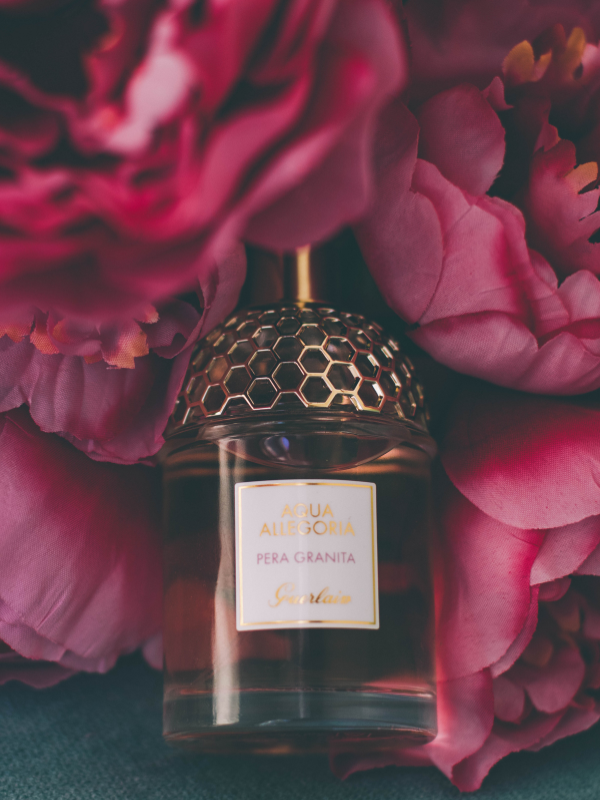
Perfume notes are the different scents or fragrance materials that make up a perfume.
When you read a perfume description, you may see ingredients or scent impressions such as vanilla, rose, bergamot, jasmine, musk, sandalwood, or amber. These are often described as the notes of the fragrance.
However, perfume notes are not simply a list of ingredients.
They also help describe how a fragrance develops over time.
For example, you may spray a perfume and immediately notice bright lemon and bergamot. After a while, the citrus smell becomes softer and you start noticing flowers. Later, the fragrance may settle into vanilla and musk.
That is the perfume changing as it develops on your skin.
The traditional way of explaining this development is through three main categories:
- Top notes
- Middle notes
- Base notes
These categories are useful when reading perfume descriptions. However, they should not be treated as three separate layers that suddenly replace one another. The notes can overlap throughout the life of the fragrance.
How Do Perfume Notes Work?
The easiest way to understand perfume notes is to think about what happens after you spray a fragrance.
Different fragrance materials evaporate at different speeds. Lighter and more volatile materials are usually noticed first. Heavier materials tend to remain for longer.
This is why your perfume can smell one way when you first spray it and completely different a few hours later.
The three traditional stages give us a simple way to understand this process.
Top notes create the opening.
Middle notes become more noticeable as the opening settles.
Base notes help create the longer-lasting dry-down.
The interesting part is that all of these materials can interact with each other. So, you are not necessarily smelling only the top notes during the first few minutes. You may also notice some heart and base materials underneath them.
That is why I always think it is better to give a perfume some time before deciding whether you love it.
What Are Top Notes?
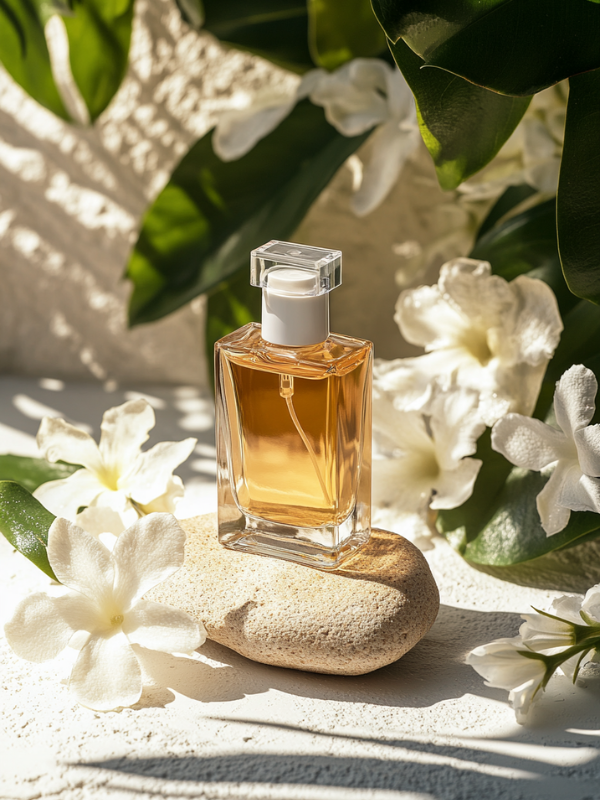
Top notes are the scents you notice most when you first spray a perfume.
They create the opening impression.
This is usually the part that makes you think, “Oh, this smells good,” or “Nope, this is definitely not for me.”
Common top notes include:
- Bergamot
- Lemon
- Grapefruit
- Orange
- Mint
- Basil
- Green notes
- Some fresh fruits
- Light spices
Citrus notes are especially common because they can give a fragrance a bright and fresh opening.
The problem is that top notes do not usually last as long as the deeper parts of a fragrance.
So, if you smell a perfume immediately after spraying it, you are mostly judging its opening.
This is why I would not recommend buying a perfume based only on the first spray.
A perfume can smell amazing for five minutes and then develop into something you do not enjoy.
The opposite can also happen.
You may dislike the opening at first but love the fragrance once it settles.
What Are Middle Perfume Notes?
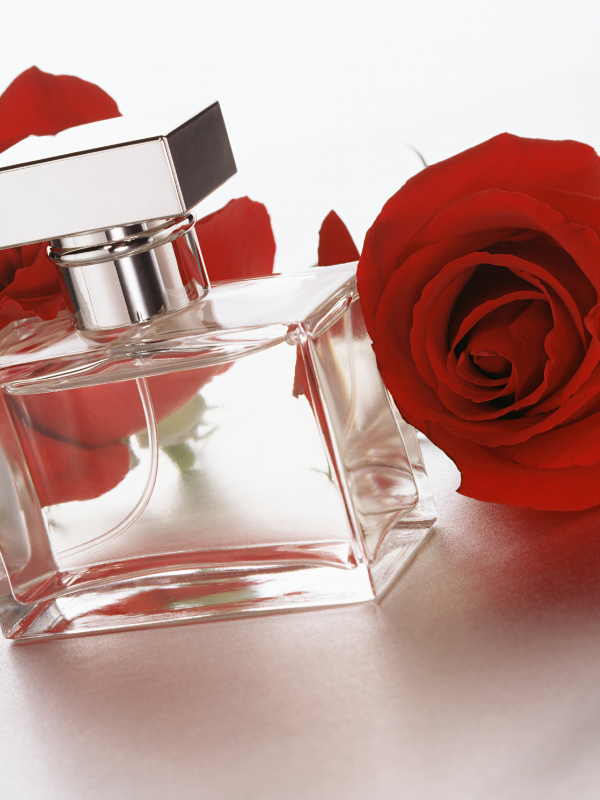
Middle notes are also called heart notes.
They become more noticeable as the top notes begin to fade. They form much of the main character of the perfume.
Think of the top notes as the introduction. The middle notes are where the actual story begins.
Common middle notes include:
- Rose
- Jasmine
- Lavender
- Geranium
- Ylang-ylang
- Plum
- Fig
- Cinnamon
- Cardamom
- Other floral, fruity, herbal, and spicy notes
Middle notes help connect the fresh opening with the deeper base. They can make the transition feel smooth rather than sudden.
For me, this is one of the most important parts to pay attention to when choosing a perfume.
You may love citrus scents, for example. But if the perfume has a strong floral heart that you dislike, you may not enjoy wearing it after the first hour.
This is why looking at the full notes list can tell you much more than simply smelling the opening.
What Are Base Perfume Notes?
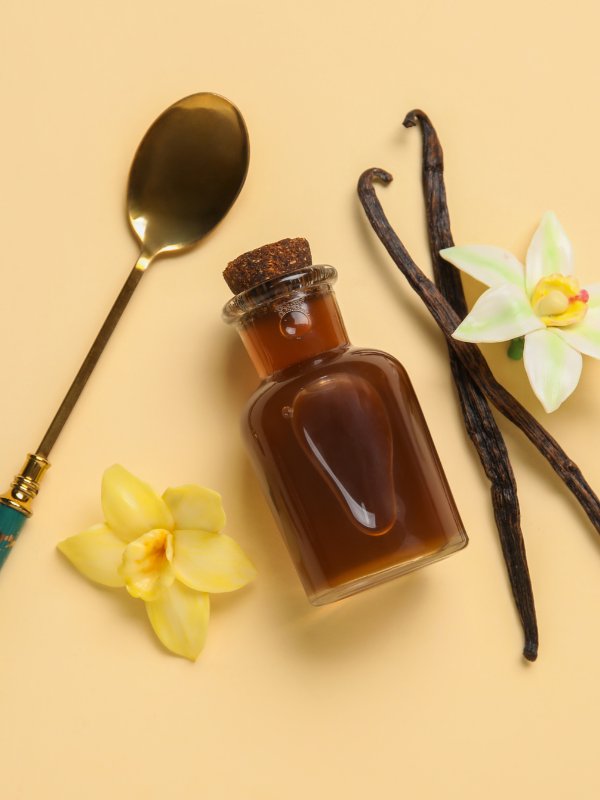
Base notes are the deeper scents that become more noticeable during the dry-down.
They are usually slower to evaporate, which is why they can remain on the skin or clothing much longer than many top notes.
Some common base notes include:
- Vanilla
- Musk
- Amber
- Sandalwood
- Cedarwood
- Oud
- Patchouli
- Benzoin
- Vetiver
Base notes can add warmth, sweetness, depth, softness, or a woody feel to a perfume.
Vanilla is a good example.
A perfume may open with bright fruit or citrus. Later, you may start noticing a creamy vanilla scent underneath everything. That warmer smell can become the part you remember most.
This final stage is often called the dry-down.
And honestly, the dry-down can make or break a perfume for me.
A fragrance may have a beautiful opening, but if I do not like the way it settles, I probably will not reach for it very often.
The Difference Between Top Middle and Base Notes
Here is a simple way to look at the three types.
| Note type | When you notice it most | Common examples |
|---|---|---|
| Top notes | Immediately after spraying | Lemon, bergamot, grapefruit, mint |
| Middle notes | As the opening settles | Rose, jasmine, lavender, spices |
| Base notes | Later during the dry-down | Vanilla, musk, amber, sandalwood |
The timing is not exact.
Some perfumes change quickly, while others develop much more slowly. Your skin, the fragrance formula, the environment, and other factors can affect how the perfume develops.
So, use the table as a guide rather than a strict timetable.
Common Perfume Note Families
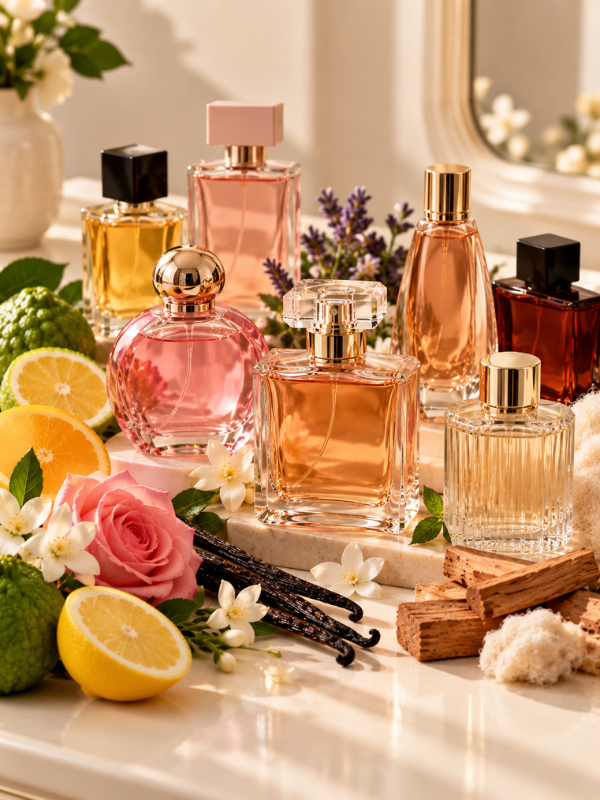
Another useful thing to understand is fragrance families.
A perfume can contain many individual notes, but those notes usually create an overall scent style.
Floral
Floral perfumes are built around flowers.
Common notes include rose, jasmine, peony, violet, and lavender.
They can smell soft, romantic, fresh, powdery, or rich depending on the other notes in the perfume.
Fruity
Fruity perfumes can smell juicy, sweet, fresh, or playful.
Common examples include pear, peach, apple, strawberry, plum, and berries.
Fruity notes are often blended with florals, vanilla, musk, or woods.
Citrus
Citrus fragrances are usually fresh and bright.
Think lemon, orange, grapefruit, bergamot, and lime.
They are especially nice when you want something that feels clean and refreshing.
Woody
Woody fragrances have a warmer and deeper character.
Common woody notes include sandalwood, cedarwood, oud, and vetiver.
They can be smooth, creamy, dry, earthy, or smoky.
Amber
Amber fragrances are usually warm and rich.
They often include combinations of sweet, resinous, spicy, vanilla-like, or woody scents.
They are especially popular in warm and cozy fragrances.
Fresh and Aquatic
These fragrances are designed to give a clean, airy, or watery feeling.
They may include aquatic accords, citrus, green notes, herbs, or light woods.
They are a good choice if you prefer fragrances that do not feel heavy.
Gourmand
Gourmand perfumes smell good enough to eat.
Well, not literally. Please do not drink your perfume.
But they can smell like vanilla, caramel, chocolate, coffee, honey, or sweet pastries.
If you love sweet perfumes, you will probably come across plenty of gourmand fragrances.
How Affordable Perfume Notes Can Still Smell Expensive
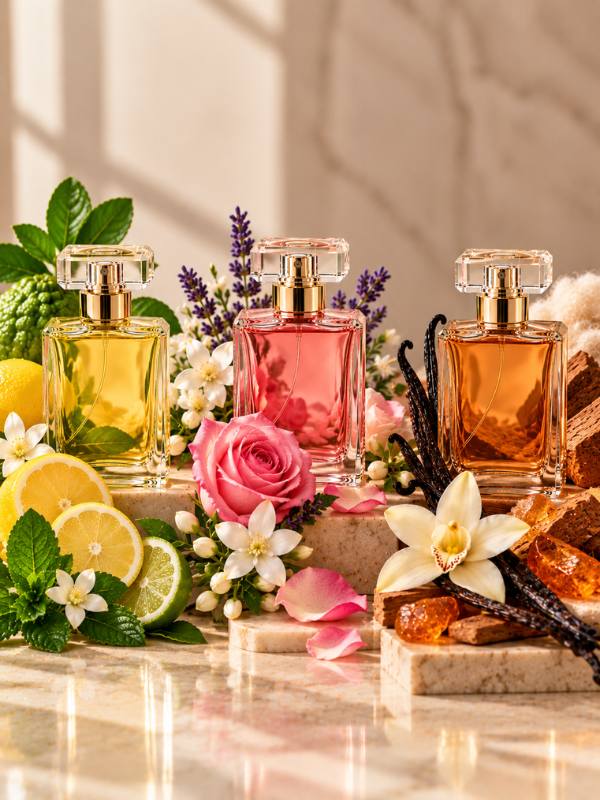
One thing I have learned about perfume is that an expensive bottle does not automatically mean you will love the scent.
Sometimes an affordable perfume can smell incredibly beautiful.
The key is often the way the notes are blended.
Vanilla, musk, amber, sandalwood, rose, and other familiar notes can create a rich and polished scent when they are balanced well.
For example, vanilla does not have to smell childish or overly sweet. When combined with musk, amber, woods, or soft florals, it can smell warm and elegant.
The same goes for musk.
A clean musk can give a perfume a soft, fresh, almost freshly-showered feeling. A warmer musk can make the fragrance feel sensual and cozy.
This is why I would not completely judge affordable perfume notes by the price of the bottle.
Instead, look at the full composition.
Ask yourself:
Do I like the notes?
Do I like how they develop?
Do I like the dry-down?
Those questions matter much more than simply asking whether the perfume is expensive.
Affordable Perfume Notes to Look For

If you are shopping for an affordable fragrance, there are several notes worth paying attention to.
Vanilla
Vanilla is one of my favorite notes to look for because it can make a perfume feel warm, sweet, and comforting.
It also blends beautifully with fruits, florals, musk, amber, and woods.
Musk
Musk can give a fragrance a clean, soft, and skin-like feeling.
It is also very versatile.
You can find musk in fresh, floral, sweet, powdery, and sensual fragrances.
Amber
Amber can add warmth and depth.
It works especially well in perfumes designed for evenings, cooler weather, or anyone who enjoys rich fragrances.
Sandalwood
Sandalwood has a smooth, creamy, woody character.
It can make a perfume feel softer and more sophisticated without being too sharp.
Rose
Rose can go in many different directions.
It can be fresh, sweet, powdery, deep, or even slightly spicy depending on how it is blended.
Jasmine
Jasmine is a beautiful floral note that can give a perfume a richer and more noticeable floral character.
It is often paired with fruits, vanilla, musk, or woods.
Bergamot
Bergamot is bright and citrusy.
It is often used in the opening of a perfume to give it a fresh first impression.
Pear
Pear can add a juicy and slightly sweet fruity quality.
It is especially common in feminine fragrances and blends beautifully with florals and vanilla.
Coconut
Coconut can give a perfume a creamy, tropical feeling.
It works especially well with vanilla, white florals, musk, and fruity notes.
Tonka Bean
Tonka bean can smell warm, sweet, creamy, and slightly nutty.
It is often used alongside vanilla, amber, woods, and spices.
These are not the only affordable perfume notes worth exploring. However, they are a good starting point if you already know you enjoy warm, sweet, fresh, floral, or creamy fragrances.
Why Does the Same Perfume Smell Different on Everyone?
This is one of the most confusing things about perfume.
You can smell a fragrance on your friend and absolutely love it.
Then you buy it.
You spray it on yourself.
And suddenly you are thinking, “Wait. This is not what I smelled before.”
That can happen.
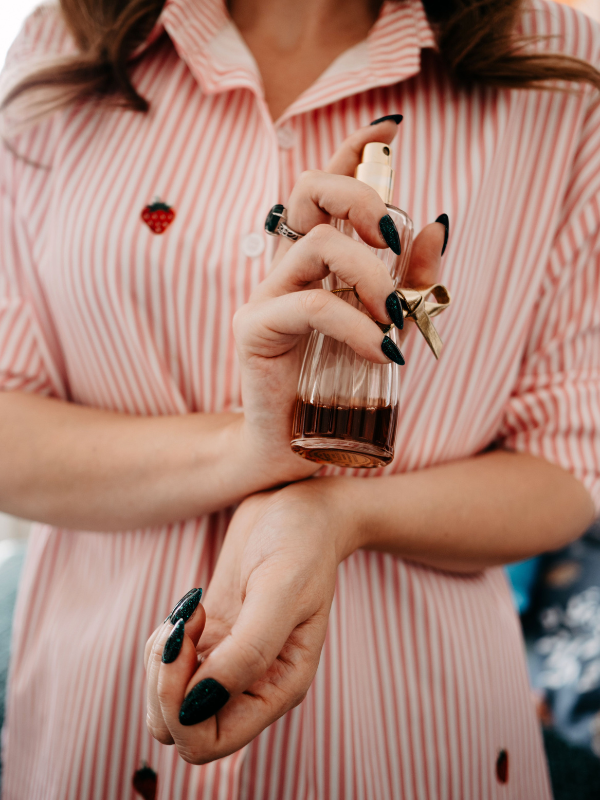
Your skin can affect how a fragrance develops. Body temperature, skin moisture, and individual skin chemistry can all influence the way you experience a perfume.
The environment can also make a difference.
A perfume can feel lighter in hot weather and richer in cooler conditions. The way it smells on skin can also differ from how it smells on clothing or a paper tester.
This is why testing perfume on your own skin is so important.
Your experience with a fragrance is not necessarily going to be identical to someone else’s.
How Long Do Different Perfume Notes Last?

There is no single time limit for each type of perfume note.
Still, the traditional structure gives us a general idea.
Top notes usually appear first and fade relatively quickly.
Middle notes become more noticeable after the opening settles and can remain for several hours.
Base notes are generally the slowest to fade and can remain noticeable for many hours.
However, the exact timing depends on the perfume.
Concentration, ingredients, skin, weather, and application can all affect longevity.
So, if someone tells you that every top note disappears after exactly 30 minutes, do not take that as a strict rule.
Perfume is not that predictable.
Perfume Notes vs Fragrance Concentration
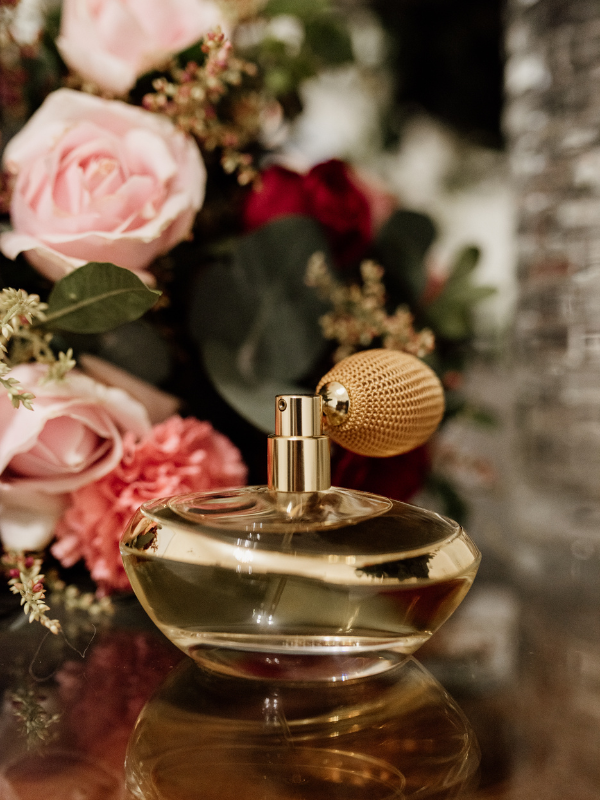
Perfume notes and fragrance concentration are two different things.
This confused me when I first started learning about perfume.
Notes describe the scent.
Concentration describes the amount of fragrance material in the formula.
You may see terms such as:
- Eau de Toilette
- Eau de Parfum
- Parfum or Extrait
Generally, Eau de Parfum contains a higher concentration of fragrance material than Eau de Toilette, while Parfum or Extrait is typically more concentrated still.
However, concentration does not automatically tell you exactly how long a perfume will last.
The formula itself matters too.
A perfume with a strong concentration can still perform differently from another perfume with the same concentration.
So, do not assume that buying the strongest concentration will always give you the scent you want.
How to Read Perfume Notes Before Buying

I used to think choosing a perfume was mostly about smelling the bottle and deciding whether I liked it.
It is not.
If you are shopping online, you may not even have the chance to smell it first.
This is where the notes list becomes really useful.
Start with the top notes.
Then look at the middle notes.
Finally, check the base notes.
Ask yourself which ones you already enjoy.
For example, if you know that you love warm vanilla perfumes, a fragrance with vanilla, amber, musk, and sandalwood in the base may be worth exploring.
On the other hand, if you dislike heavy and sweet perfumes, you may want to look for lighter citrus, green, aquatic, or fresh floral notes.
The notes will not tell you exactly what the perfume will smell like.
However, they can give you a much better idea of what to expect.
How to Test Perfume Notes Correctly
If you are trying a new perfume, give it time.
This is especially important if you are thinking about buying an expensive bottle.
Here is how I would test it.
Step 1: Spray the perfume on a blotter or your skin.
Step 2: Smell it immediately.
This gives you an idea of the opening.
Step 3: Wait around 20 to 30 minutes.
Now you can see how the fragrance begins to settle.
Step 4: Smell it again after a few hours.
This is when the dry-down becomes much more useful.
Step 5: Decide how you feel about the entire fragrance.
Do not make your final decision based only on the first few seconds.
That first spray can be beautiful.
But the dry-down is the part you may be living with for the rest of the day.
How to Choose Affordable Perfumes Based on Their Notes
If you already know the type of perfume you enjoy, choosing affordable fragrances becomes much easier.
If you like sweet perfumes
Look for:
- Vanilla
- Caramel
- Tonka bean
- Pear
- Peach
- Chocolate
- Amber
If you like fresh perfumes
Look for:
- Bergamot
- Lemon
- Grapefruit
- Orange
- Mint
- Green notes
- Aquatic accords
If you like floral perfumes
Look for:
- Rose
- Jasmine
- Peony
- Violet
- Lavender
- Ylang-ylang
If you like warm perfumes
Look for:
- Amber
- Vanilla
- Musk
- Sandalwood
- Tonka bean
- Patchouli
If you like clean perfumes
Look for:
- Musk
- Citrus
- Light florals
- Green notes
- Fresh aquatic accords
This is one of the easiest ways to narrow down your choices when shopping for affordable perfume notes.
Instead of searching through hundreds of perfumes randomly, you can start with the notes you already know you enjoy.
Summary
Understanding perfume notes can completely change the way you shop for fragrance.
Instead of judging a perfume only by the first spray, you start paying attention to how it develops.
You notice the opening.
Then you notice the heart.
Finally, you experience the dry-down.
And that makes choosing a perfume much more personal.
You also do not need to spend a fortune to find a fragrance you genuinely love. There are plenty of affordable perfumes with beautiful combinations of vanilla, musk, amber, florals, fruits, citrus, and woods.
The most important thing is to find notes that work for your taste.
For me, perfume shopping becomes much easier once I know what I am looking for. Rather than being distracted by a pretty bottle or a popular name, I can look at the notes and decide whether the fragrance sounds like something I would actually enjoy wearing.
So, the next time you are looking at a perfume, do not just ask, “Does this smell good?”
Ask, “What happens after I wear it for a few hours?”
That is where the real personality of a perfume begins.
Frequently Asked Questions
What are the three main perfume notes?
The three traditional perfume note categories are top notes, middle notes, and base notes. Top notes create the opening, middle notes form much of the fragrance’s main character, and base notes help create the longer-lasting dry-down.
Which perfume notes last the longest?
Base notes generally last the longest. Common examples include vanilla, musk, amber, sandalwood, cedarwood, oud, and patchouli.
What is the difference between top and base notes?
Top notes are usually noticed first and tend to fade faster. Base notes develop more slowly and generally remain noticeable for much longer.
What are good affordable perfume notes?
Vanilla, musk, amber, sandalwood, rose, jasmine, bergamot, pear, coconut, and tonka bean are useful notes to explore when looking for affordable fragrances.
Does an expensive perfume always have better notes?
No. Price does not automatically determine whether you will enjoy a fragrance. The way the notes are blended and how the perfume develops on your skin are much more important to your personal experience.
Why does perfume smell different after a few hours?
Perfume smells different because fragrance materials evaporate at different rates. As the lighter materials fade, the middle and base materials become more noticeable.
How can I find perfume notes I like?
Start by paying attention to perfumes you already enjoy. Look at their note lists and find patterns. If several of your favorite perfumes contain vanilla, musk, rose, or citrus, those may be good notes for you to explore in other fragrances.
Should I test perfume on my skin before buying it?
Yes, whenever possible. A perfume can smell different on your skin than it does on someone else or on a paper tester. Give it some time so you can experience the opening, heart, and dry-down before making your decision.
This Post Showed You What Are Perfume Notes and How They Work
You may also like:
4 Comments