
Learning how to layer perfumes can completely change the way you enjoy your fragrance collection. Instead of wearing the same perfume every day, you can combine two scents to create something that feels more personal. I used to think perfume layering meant spraying several perfumes together and hoping they smelled good. However, there is actually a little more to it. The goal is not to make your fragrance stronger. It is to create a balanced scent that smells good from the first spray to the final dry-down.
Perfume layering can be simple once you understand which scents work well together. You can combine vanilla with musk, citrus with floral notes, or sandalwood with a sweet fragrance. You can also use a body mist with a perfume for a softer effect.
The most important thing is knowing when to stop.
If you use too many fragrances or too many sprays, your beautiful combination can quickly become overwhelming. Therefore, learning how to layer perfumes without overdoing it is just as important as knowing which perfumes to combine.
What Does Perfume Layering Mean?
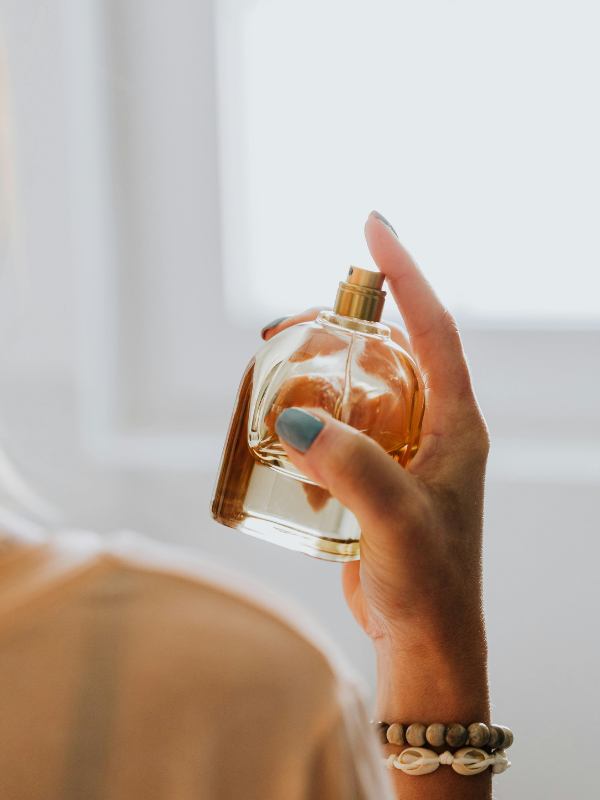
Perfume layering means combining two or more fragrances to create a different scent.
Think of it like putting together an outfit. You may have a favorite top, but adding the right shoes and accessories can completely change the look. Perfume layering works in a similar way.
One fragrance becomes your main scent. Another adds something extra.
For example, a vanilla perfume can give you sweetness and warmth. Adding a soft musk can make it feel cleaner and smoother. A citrus fragrance can brighten a floral perfume. Sandalwood can make a sweet perfume feel deeper and warmer.
You do not necessarily want people to notice that you are wearing two different perfumes.
Ideally, they should smell one beautiful fragrance.
That is the fun part of how to layer perfumes. You can create combinations that are different from what everyone else is wearing.
Why Should You Learn How to Layer Perfumes?
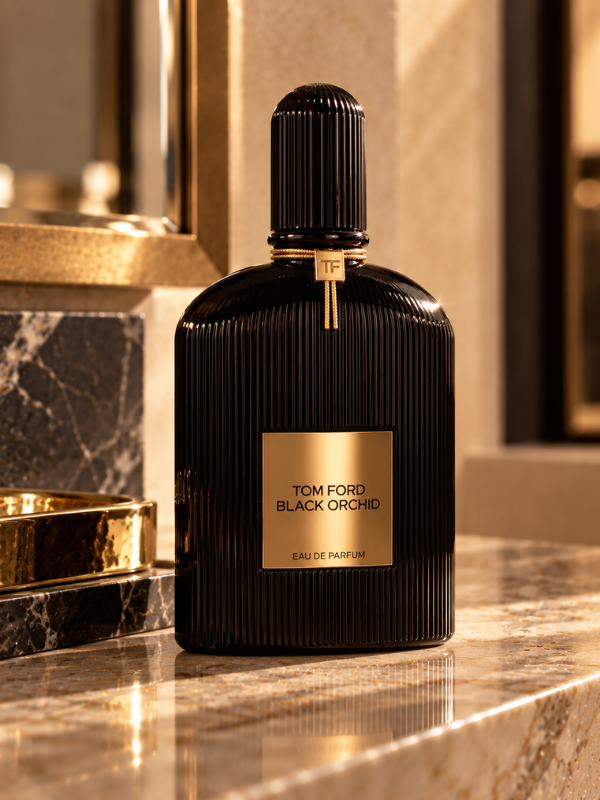
There are several reasons to experiment with perfume layering.
First, it gives your fragrance collection more variety. You do not need to buy a new perfume every time you want a different scent.
You can also create combinations for different moods.
Maybe you want something fresh in the morning. You could layer citrus with a clean musk.
For a date night, you may prefer vanilla and amber.
For a relaxing day at home, a soft floral and musk combination may be enough.
Perfume layering can also help you find your signature scent.
You may eventually discover a combination that smells so good on your skin that people begin to associate it with you.
However, you do not need a huge perfume collection to start. Two fragrances are enough.
How to Layer Perfumes the Right Way
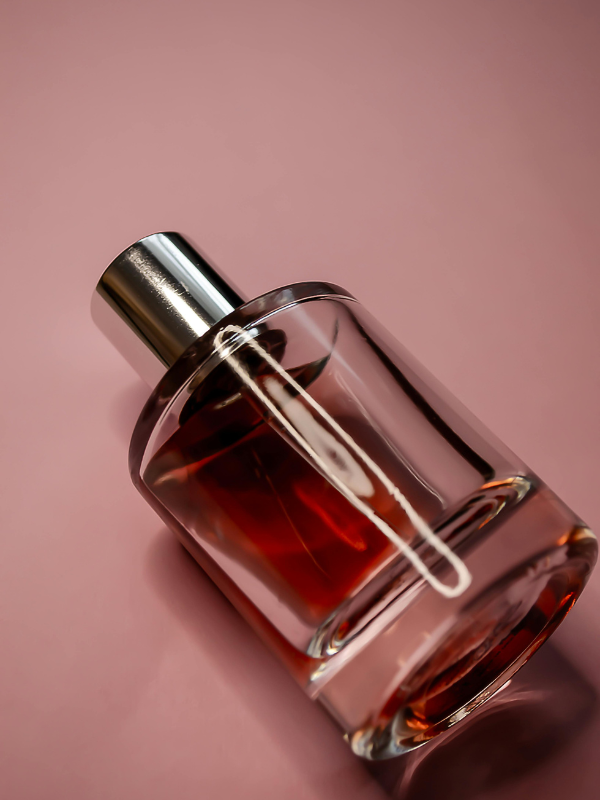
If you are learning how to layer perfumes, start with a simple method.
Do not begin by grabbing every bottle on your vanity.
Choose two fragrances.
Then test them slowly.
1. Start With Clean Skin
Clean skin gives you a better starting point.
After showering, apply an unscented body lotion if your skin needs moisture. Moisturized skin can also help fragrance feel more comfortable and last better.
I recommend using an unscented lotion when trying a new perfume combination.
A heavily scented body cream adds another fragrance to the mix. That can make it difficult to tell whether your two perfumes actually work together.
Therefore, keep your base simple.
2. Choose Your Main Perfume
Before you start spraying, decide which perfume you want to be the main scent.
Ask yourself what kind of fragrance you want.
Do you want something sweet?
Fresh?
Clean?
Warm?
Floral?
Woody?
Once you know the answer, choose your main perfume.
For example, if you love vanilla, make your vanilla perfume the main fragrance. You can then add musk, amber, floral, or woody notes.
3. Choose a Supporting Perfume
Your second perfume should add something useful.
It does not have to smell exactly like your first perfume.
In fact, a little contrast can make your combination more interesting.
For example, vanilla and musk work well because the musk can soften the sweetness of vanilla.
Similarly, citrus and floral scents can work together because the citrus adds freshness to the floral fragrance.
When learning how to layer perfumes, think about what each fragrance brings to the combination.
4. Spray the Lighter Fragrance First
A useful starting rule is to apply the lighter scent first.
Then add the stronger fragrance.
For example, you might spray a fresh citrus fragrance before adding a warm vanilla perfume.
This gives the lighter scent a chance to create the first layer. The stronger fragrance then adds depth.
However, this is not a strict rule.
Some combinations may smell better in the opposite order. Therefore, experiment and see what works best on your skin.
5. Give the Fragrance Time to Settle
This step is easy to overlook.
Do not spray one perfume and immediately cover it with another.
Wait a few minutes.
Perfume changes as it dries. The scent you smell immediately after spraying is not always the scent you will smell later.
This is why the dry-down matters.
If the first perfume already smells strong after a few minutes, you may only need a tiny amount of the second one.
How to Choose Perfumes That Layer Well
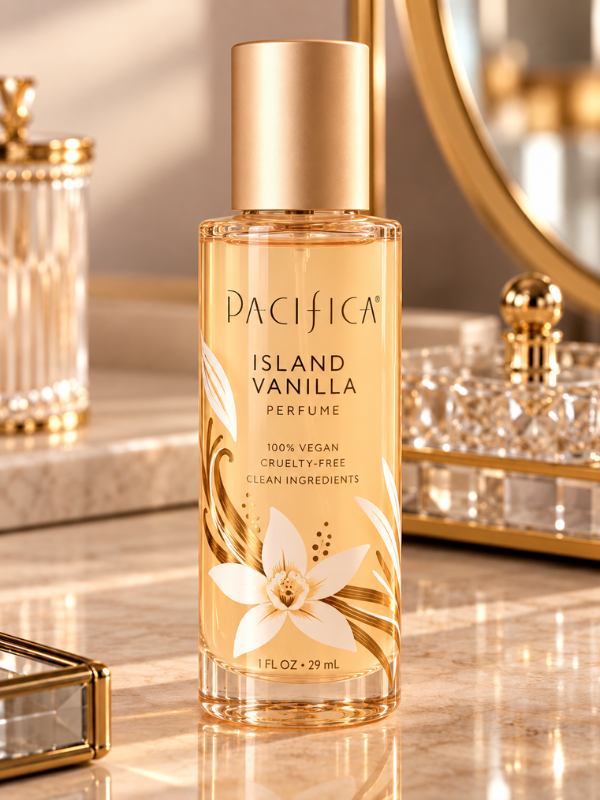
Choosing the right fragrances is one of the most important parts of how to layer perfumes.
You do not need to memorize every perfume note. However, understanding a few simple combinations can help.
Start With Similar Notes
The easiest place to start is with fragrances that share a similar note.
For example:
- Vanilla and vanilla
- Musk and musk
- Rose and floral notes
- Coconut and vanilla
- Amber and vanilla
- Sandalwood and musk
These combinations usually blend more easily because the fragrances already have something in common.
If you have a vanilla perfume that feels too sweet, try pairing it with musk.
If you have a floral perfume that feels too sharp, try adding a creamy vanilla scent.
Try Contrasting Notes
Once you feel more comfortable, you can experiment with contrast.
Some interesting combinations include:
- Citrus + vanilla
- Floral + musk
- Fruity + woody
- Vanilla + sandalwood
- Coconut + musk
- Rose + amber
- Jasmine + vanilla
The idea is to let one fragrance balance the other.
For example, citrus can make a heavy fragrance feel fresher. A woody scent can make a sweet fragrance feel more grounded.
How to Layer Perfumes Without Overdoing It
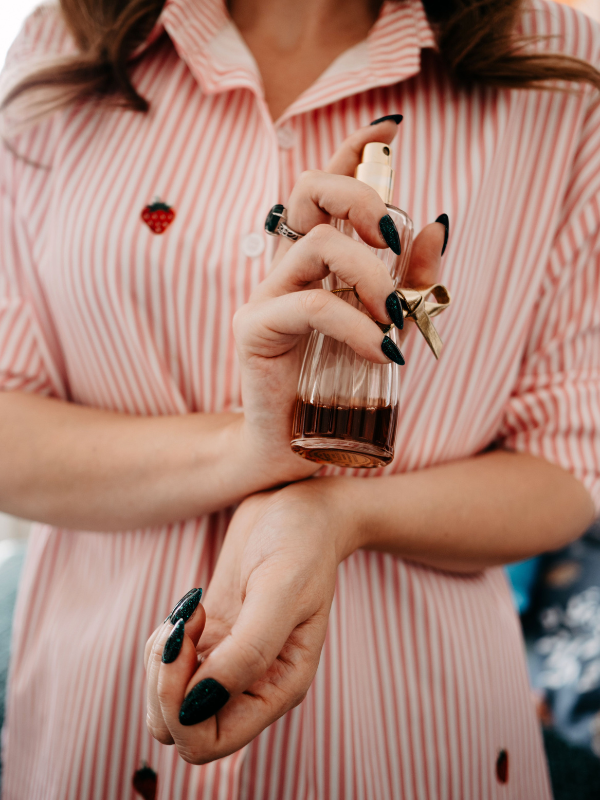
This is probably the most important part of the entire process.
When you love a perfume, it is easy to keep spraying.
Then you add another perfume.
Then maybe a body mist.
Before you know it, there are several different fragrances fighting for attention.
The easiest way to avoid this is to start small.
Try one or two sprays of your first fragrance.
Then use one spray of your second fragrance.
Give it time.
If the combination is already noticeable, stop there.
You can always add more later.
You cannot easily remove perfume once you have sprayed too much.
Another thing to remember is that your nose can become used to your fragrance. After wearing perfume for a while, you may stop noticing it as strongly.
That does not mean everyone else has stopped smelling it.
Therefore, do not keep spraying simply because you cannot smell the perfume anymore.
How to Layer Perfumes Based on Fragrance Notes
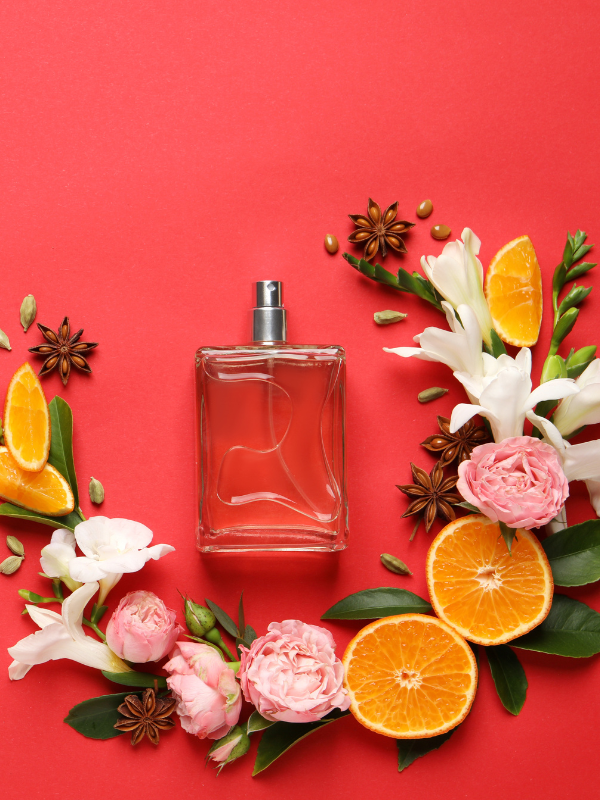
Understanding fragrance notes can make perfume layering much easier.
You do not need to become a fragrance expert. Just learn what some common notes can add to a combination.
Vanilla
Vanilla adds sweetness and warmth.
It works well with musk, amber, floral notes, coconut, and woods.
Musk
Musk can give a fragrance a clean, soft, skin-like feeling.
It works beautifully with fruity, floral, vanilla, and citrus scents.
Citrus
Citrus notes such as lemon, orange, bergamot, and grapefruit can make a fragrance feel fresh and bright.
They can work well with floral, fruity, woody, and sweet perfumes.
Floral Notes
Rose, jasmine, lavender, and other flowers can add softness and femininity.
Floral perfumes can be paired with vanilla, musk, fruity notes, and woods.
Amber
Amber often gives warmth and depth.
It works well with vanilla, musk, floral notes, and woody fragrances.
Sandalwood
Sandalwood adds a creamy, smooth woody quality.
It can balance very sweet fragrances and works especially well with vanilla, musk, and floral scents.
Best Perfume Combinations for Beginners
If you are still unsure how to layer perfumes, start with simple combinations.
You do not need to experiment with unusual fragrances immediately.
Vanilla and Musk
Vanilla and musk are a great starting point.
Vanilla gives the combination sweetness. Musk makes it feel softer and cleaner.
This is a good everyday combination.
Rose and Vanilla
Rose and vanilla create a warm floral scent.
The rose gives the fragrance a beautiful floral quality, while vanilla makes it creamy and sweet.
This can be lovely for evenings and special occasions.
Citrus and Floral
Citrus and floral scents are perfect when you want something fresh.
The citrus adds brightness, while the floral fragrance keeps the combination soft.
This is especially nice during hot weather.
Coconut and Vanilla
Coconut and vanilla create a creamy, sweet combination.
It can give you a warm vacation feeling without needing an overly complicated fragrance.
Just be careful with the amount because both scents can be strong.
Fruity and Musk
Fruity perfumes can sometimes feel very sweet.
Musk can soften them.
This creates a combination that smells fruity but still feels clean and wearable.
Amber and Vanilla
If you enjoy warm perfumes, try amber with vanilla.
This combination is rich, cozy, and sweet.
It works particularly well for evenings and cooler weather.
Sandalwood and Vanilla
Sandalwood adds a soft woody quality to vanilla.
This is a great choice if you love sweet fragrances but want something that feels slightly deeper.
Lavender and Musk
Lavender and musk can create a clean and relaxing fragrance.
It is a nice option for everyday wear when you want something subtle.
Jasmine and Vanilla
Jasmine has a strong floral character.
Vanilla can soften it and add warmth.
This combination can work beautifully for date nights and evening events.
Clean Musk and Citrus
For people who do not enjoy very sweet fragrances, clean musk and citrus are worth trying.
The citrus adds freshness while the musk gives the scent a soft finish.
Where to Apply Perfumes When Layering
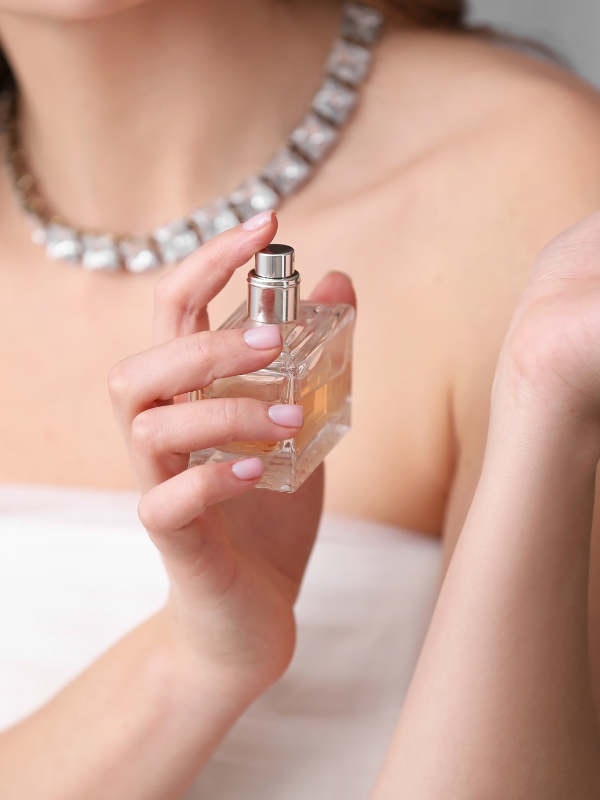
Knowing where to apply your perfumes is another part of how to layer perfumes.
You can apply both fragrances to the same pulse points.
These include:
- Wrists
- Neck
- Behind the ears
- Chest
You can also experiment with applying one perfume to your wrists and the other lightly to your neck.
However, you do not need to spray every pulse point.
A few well-placed sprays are enough.
Also, avoid rubbing your wrists together after applying perfume.
Let the fragrance dry naturally.
Should You Layer Perfume on Skin or Clothes?

I recommend testing your perfume combination on your skin first.
Your skin chemistry can affect how a perfume smells.
A combination that smells beautiful on a paper strip may smell different on your skin.
Clothing can also hold fragrance for a long time. However, some perfumes may stain delicate fabrics.
Therefore, be careful when spraying directly onto clothes.
If you want to try it, test the perfume on a small hidden area first.
How to Layer Perfumes With Body Mist
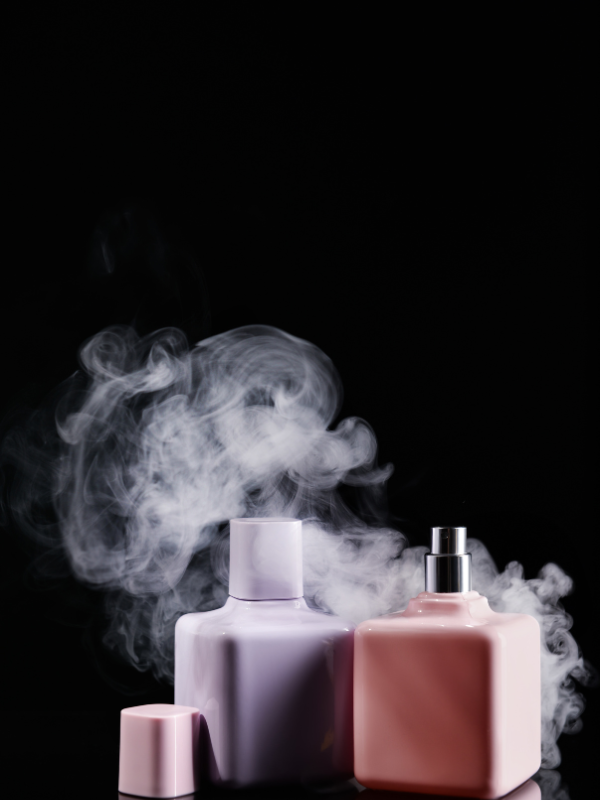
You do not always need two perfumes.
A body mist can also be part of your layering routine.
This is especially useful when you want a softer fragrance.
For example, you could use a vanilla body mist first and then add a floral perfume.
You could also use a coconut body mist with a vanilla perfume.
The body mist creates a lighter base while the perfume adds more depth.
This can be a great option for daytime.
Common Perfume Layering Mistakes
Even when you understand how to layer perfumes, a few mistakes can ruin the final result.
Using Too Many Fragrances
Start with two.
You can experiment with more later, but there is no reason to use several perfumes at once.
Too many fragrances can make the final scent difficult to understand.
Using Too Many Sprays
This is one of the easiest mistakes.
Start with less than you think you need.
You can add another spray if necessary.
Combining Two Very Strong Perfumes
Two strong perfumes may compete with each other.
If both fragrances have heavy vanilla, amber, oud, or gourmand notes, the result may become too intense.
Try pairing one strong fragrance with something lighter.
Forgetting About the Weather
Hot weather can make perfume feel much stronger.
A fragrance that feels perfect in a cool room may become overwhelming outside.
Therefore, use fewer sprays when the weather is hot.
Not Letting the Perfume Dry Down
Do not judge a combination immediately after spraying.
Give it time.
The opening notes may disappear while the middle and base notes become more noticeable.
Testing Only on Paper
Paper can help you understand a fragrance.
However, skin is different.
Always test your favorite combinations on your skin before wearing them for a full day.
How to Make Layered Perfume Last Longer
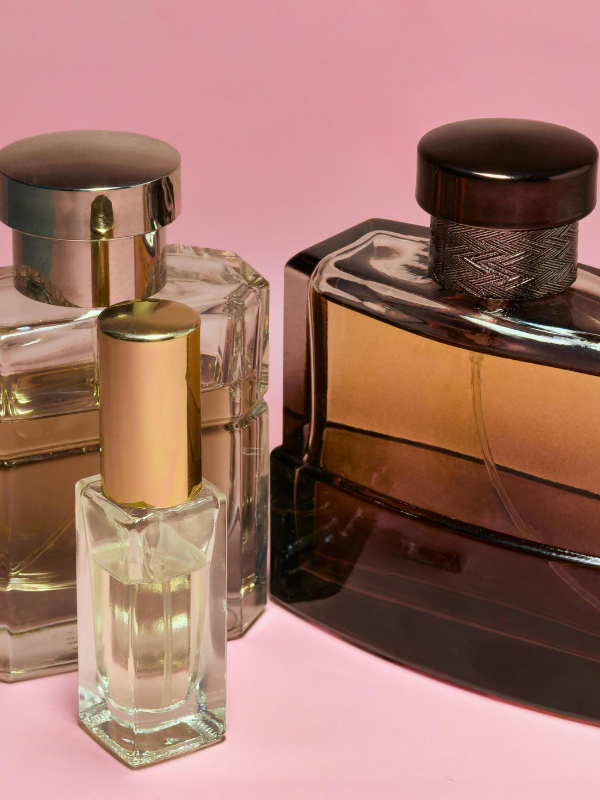
If you want your fragrance to last, start with moisturized skin.
An unscented body lotion is a simple option.
Apply your perfume after moisturizing.
You can also focus your perfume on pulse points.
Another important tip is storage.
Keep your perfume away from direct sunlight and excessive heat.
Your bathroom may seem like the obvious place to store perfume. However, the constant changes in heat and humidity may not be ideal.
A cool, dark place is a better choice.
How to Know When You Have Overdone Your Perfume
Sometimes you may not realize that your fragrance is too strong.
Your nose can become accustomed to the scent.
However, there are a few signs.
If you can smell the perfume strongly every time you move, you may have used too much.
If someone several feet away can immediately smell you, your fragrance may also be too strong for the setting.
You may also notice that the individual fragrances have completely disappeared into one heavy scent.
When that happens, stop adding more.
If you are unsure, ask someone you trust.
A second opinion can be very helpful.
How to Layer Perfumes for Different Occasions
Your perfume combination should match the occasion.
Everyday Wear
For everyday use, try lighter combinations.
Clean musk, citrus, soft floral notes, and light vanilla are good options.
The goal is to smell good without overwhelming yourself or everyone around you.
Date Night
Date night gives you more room to experiment.
Try vanilla, amber, musk, jasmine, rose, or sandalwood.
Warm and slightly sweet combinations can feel especially inviting.
Work and the Office
Keep your fragrance subtle at work.
You are sharing a space with other people, and not everyone enjoys strong perfume.
Clean musk, soft floral scents, light citrus, and gentle woody fragrances are safer choices.
Special Events
For parties and evening events, you can choose something richer.
Vanilla, amber, gourmand, floral, and woody combinations can work well.
Just remember that richer does not mean you need more sprays.
Hot Weather
Hot weather is a good time for fresh fragrances.
Try citrus, aquatic, fruity, fresh floral, and clean musk combinations.
Use fewer sprays because heat can increase fragrance projection.
Cold Weather
Cold weather is perfect for warm fragrances.
Vanilla, amber, sandalwood, musk, and gourmand scents can feel cozy and rich.
How to Create Your Own Signature Scent
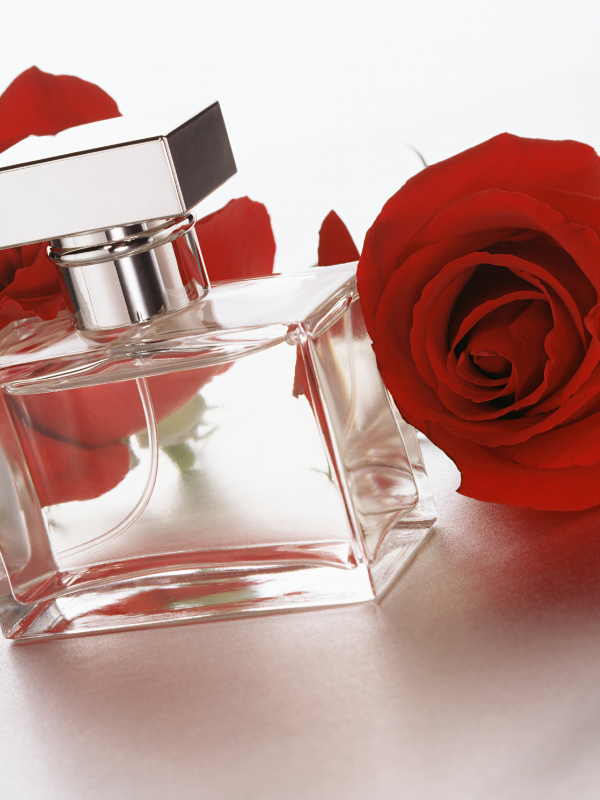
One of my favorite things about learning how to layer perfumes is discovering combinations that feel personal.
You do not have to copy someone else’s layering routine.
Start with the perfumes you already own.
Look at the notes.
Which ones do you love?
Maybe you always reach for vanilla.
Maybe you prefer clean musk.
Perhaps you love fruity perfumes but want them to feel less sweet.
Choose one perfume as your main scent.
Then choose another fragrance that balances it.
Try different combinations.
You may discover that one spray of your second perfume is enough.
It can also help to write down combinations that you like.
Include the perfumes you used and how many sprays you applied.
This may sound unnecessary at first, but it becomes useful when you have a larger collection.
Eventually, you may find a combination that becomes your personal signature.
How to Layer Perfumes and Find the Right Balance
Balance is really the secret behind good perfume layering.
You want each fragrance to contribute something without overpowering the other.
If your first perfume is very sweet, choose something fresh or musky for the second layer.
If your first fragrance is very floral, try adding vanilla or a soft woody scent.
If your perfume is already rich and warm, you may only need a small amount of another fragrance.
Think about what the perfume needs.
Does it need sweetness?
Freshness?
Warmth?
Depth?
Softness?
Once you start thinking this way, how to layer perfumes becomes much easier.
You are no longer randomly combining fragrances.
You are building a scent.
Frequently Asked Questions
Can you layer two different perfumes?
Yes. You can layer two different perfumes as long as they work well together.
Start with a small amount of each fragrance and allow them to settle before deciding whether you need more.
How many perfumes should you layer at once?
Two perfumes are enough for beginners.
You can experiment with more once you become comfortable, but using more fragrances does not always create a better scent.
Which perfume should you spray first?
A good starting point is to apply the lighter perfume first and the stronger fragrance second.
However, you can experiment with the order because every combination is different.
Can you layer perfume with body mist?
Yes.
A body mist can create a softer base for perfume.
Vanilla, coconut, fruity, and clean body mists can work especially well with perfumes.
Can you layer different fragrance families?
Yes.
Different fragrance families can work beautifully together.
For example, citrus and floral scents can create a fresh combination, while vanilla and sandalwood can create something warmer.
Is perfume layering better on skin or clothes?
Skin is the best place to test a new combination.
Your body chemistry can affect the way perfume develops.
Once you know you like the combination, you can experiment with clothing as well.
How long should you wait between perfume layers?
You do not need to wait a very long time.
A few minutes can give the first fragrance enough time to settle before you add the second.
Can you layer strong perfumes together?
Yes, but use caution.
Two strong perfumes can quickly become overwhelming.
Start with very small amounts and see how they develop before adding more.
Does perfume layering make fragrance last longer?
It can, depending on the fragrances you choose.
Using a moisturized skin base and fragrances with longer-lasting notes can also help.
However, layering does not guarantee that every combination will last longer.
How do you layer perfumes without smelling too strong?
Start with two fragrances and use fewer sprays.
Choose scents that complement each other. Give the combination time to settle.
Most importantly, do not keep spraying simply because you have stopped noticing the fragrance yourself.
Summary
Learning how to layer perfumes is really about finding balance.
You do not need a huge perfume collection. You do not need to use five different fragrances. You also do not need to follow complicated rules.
Start with two scents.
Choose a main perfume and a supporting fragrance. Look for similar notes or interesting contrasts. Apply a small amount and give the fragrances time to settle.
Most importantly, pay attention to how the combination makes you feel.
Some combinations will smell amazing immediately. Others may need a little adjustment. And some will simply not work.
That is completely fine.
Perfume layering is personal. What smells beautiful on one person may smell completely different on another because of skin chemistry, weather, and even how much perfume was applied.
So experiment slowly.
Use less rather than more.
Once you find a combination you love, you may never look at your perfume collection the same way again.
This Post Showed You How to Layer Perfumes Without Overdoing It
You may also like:
What Are Perfume Notes and How Do They Work?

4 Comments