Buying a complete makeup kit can cost more than you might expect. You walk into a store looking for foundation and leave with concealer, powder, blush, a new eyeshadow palette, lip liner, brushes and a few other products that caught your attention along the way. Then, when you get home, you realize you still don’t have everything you need to complete the look you had in mind.
A complete makeup kit doesn’t have to contain dozens of products, though. The right collection can be put together gradually, with a few products for your complexion, eyes, brows and lips, along with tools that make application easier. Some products are worth having from the beginning, while others are better saved for when you want to experiment with more makeup looks.
The cost also depends on the kind of makeup you enjoy wearing. Someone who prefers light everyday makeup may only need a handful of products, while someone who enjoys soft glam, full coverage, eyeshadow and false lashes will probably want a more extensive collection. You don’t have to buy everything at once, and spending more money on makeup doesn’t automatically mean you’ll get better results.
In this guide, I will walk you through the products that should be in a complete makeup kit, what each one is used for, how much each item is estimated to cost in US dollars, the makeup tools worth buying, and the total amount you can expect to spend putting everything together.
What Should a Complete Makeup Kit Include?
A complete makeup kit should contain the products you need to prepare your skin, apply makeup to your face, define your eyes and brows, add color to your lips and remove everything properly at the end of the day.
The products you choose should also reflect the makeup looks you enjoy. Someone who regularly wears foundation, blush, mascara and lipstick may have a very different kit from someone who enjoys full glam makeup with contour, highlighter, eyeliner, false lashes and several eyeshadow shades.
The main categories of a complete makeup kit are:
- Skin preparation: Cleanser, moisturizer, sunscreen and an optional primer.
- Complexion makeup: Foundation, concealer, setting powder, blush, bronzer, contour, highlighter and setting spray.
- Eye makeup: Eyeshadow, eyeliner, mascara and optional false eyelashes.
- Brow products: Eyebrow pencil, brow gel or pomade.
- Lip products: Lip liner, lipstick, lip gloss and lip balm.
- Makeup tools: Makeup sponges, brushes, eyelash curlers, tweezers and other useful tools.
- Makeup removal: Micellar water, cleansing oil or makeup remover, and products for cleaning brushes.
You don’t need to purchase every item on this list on your first shopping trip. If you are building your makeup kit from scratch, start with the products you are most likely to use regularly and add the rest as your routine develops.
If you’re building your makeup kit from scratch, this guide to makeup essentials every beginner actually needs can help you decide which products to purchase first and which ones can wait.
Skincare Products to Prepare Your Skin Before Makeup
The way makeup looks on your face is partly influenced by what you apply before picking up your foundation. Skin preparation doesn’t have to involve a complicated routine, but a few basic products can help your skin feel comfortable and give your makeup a better surface to sit on.
You don’t need to purchase a separate skincare product for every concern before you can wear makeup. A cleanser, moisturizer and sunscreen are a sensible starting point for a daytime routine. Primer can be added if you notice a particular problem with your makeup, such as foundation slipping, excessive shine or difficulty smoothing over certain areas.
Facial cleanser
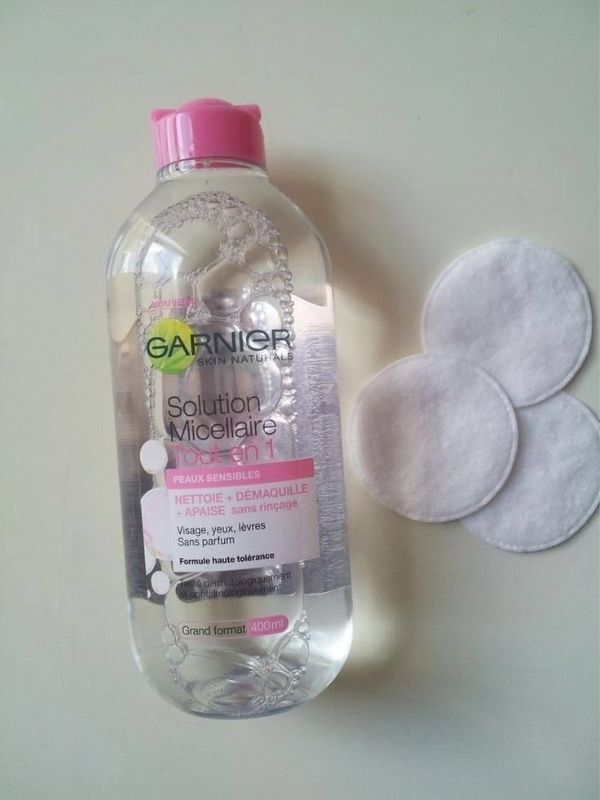
Estimated price: $5–$15
A facial cleanser is useful for removing excess oil, dirt, sweat and other buildup from your skin before applying makeup. You don’t need a cleanser that leaves your face feeling extremely tight or squeaky clean. In fact, that feeling can be a sign that the product is too harsh or that your skin’s natural moisture is being stripped away.
Choose a cleanser that suits your skin. A gentle, non-stripping cleanser may be more comfortable for dry or sensitive skin, while someone with oily skin may prefer a formula that removes excess oil without leaving the skin uncomfortable.
You can also cleanse your face in the evening to remove makeup, sunscreen and the buildup accumulated throughout the day. If you wear long-wearing foundation, waterproof mascara or several layers of makeup, you may prefer to use a makeup remover first, followed by your regular facial cleanser.
A cleanser is a skincare essential, not a makeup product, but it belongs in the routine that supports your makeup application.
Moisturizer
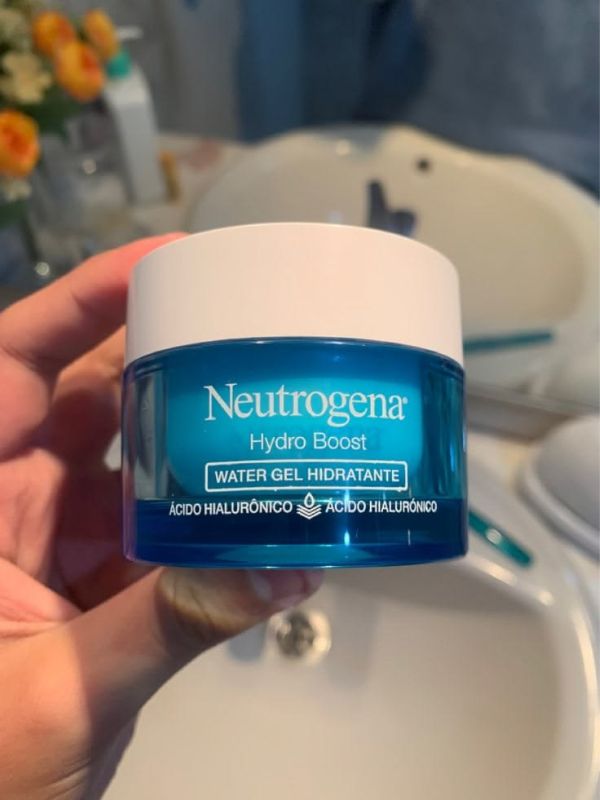
Estimated price: $6–$20
Moisturizer is one of the products worth keeping in your makeup kit, especially if your foundation tends to look patchy, dry or uneven. Skin that feels tight or has visible dry areas may make certain makeup formulas more difficult to apply smoothly.
A moisturizer helps maintain the skin’s hydration and supports the skin barrier. It also gives you a chance to prepare your skin before layering makeup on top.
The moisturizer you choose should suit your skin and the kind of finish you prefer. A lightweight moisturizer may be more comfortable for oily skin, particularly when the weather is warm, while dry skin may benefit from a richer formula. People with combination skin may need a lighter product in some areas and more moisture in others.
Give your moisturizer a little time to settle before applying foundation. Applying several products immediately on top of one another can sometimes cause them to pill, especially if the formulas don’t work well together.
Give your moisturizer a little time to settle before applying foundation. Applying several products immediately on top of one another can sometimes cause them to pill, especially if the formulas don’t work well together. Knowing the correct makeup application order can also help you understand how to layer your skincare and makeup products.
You don’t need to purchase an expensive moisturizer simply because you wear makeup. An affordable product that leaves your skin comfortable and works well with the rest of your routine can be a perfectly good choice.
Sunscreen
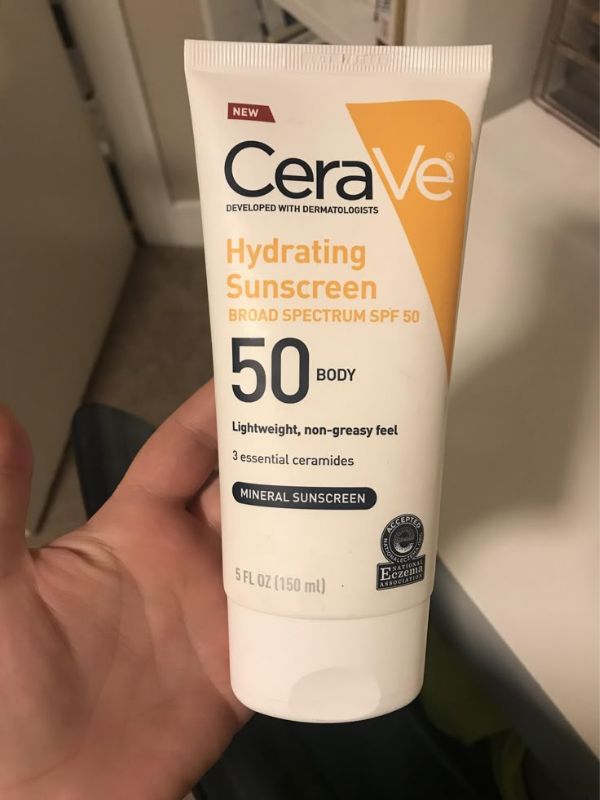
Estimated price: $8–$20
Sunscreen is an important part of a daytime skincare routine, even when you intend to wear makeup over it. Foundation, concealer and powder are not substitutes for properly applied sunscreen.
Look for a broad-spectrum sunscreen with SPF 30 or higher for everyday use. Apply it as directed on the product label, allowing it to settle before moving on to your makeup. Sunscreen needs to be applied in an adequate amount to provide the protection stated on its packaging, so don’t rely on a thin layer of foundation or sunscreen-infused makeup to replace your regular sunscreen.
Choosing sunscreen that feels comfortable on your skin can make it easier to use consistently. Some formulas may leave a noticeable white cast, feel greasy or cause makeup to slide around. Trying a few affordable options can help you find one that works well beneath your foundation.
For someone who wears makeup regularly during the day, sunscreen is a skincare product worth prioritizing in the budget.
Makeup primer
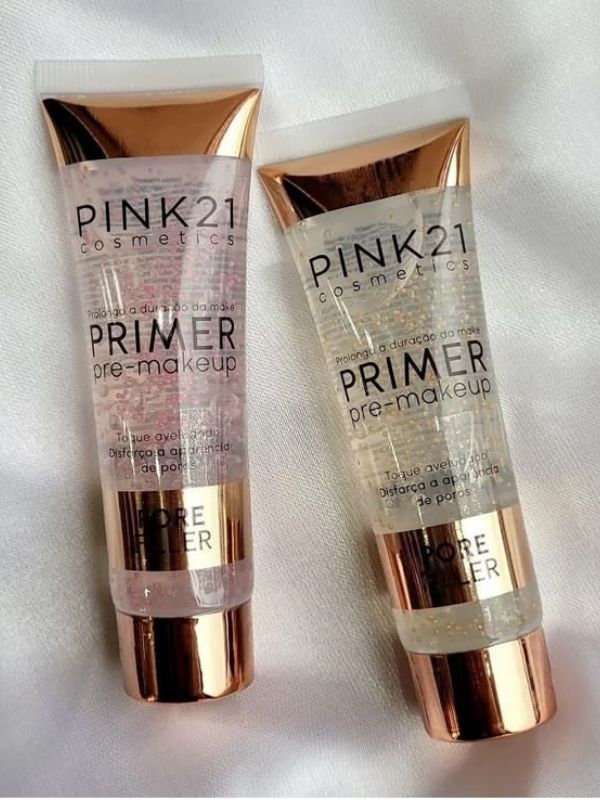
Estimated price: $5–$20
Makeup primer is often one of the first products people purchase when putting together a makeup kit, but it isn’t compulsory. Its purpose is to help prepare the skin for makeup, and different primers are formulated to address different concerns.
Some primers are designed to reduce the appearance of shine, while others focus on hydration, smoothing or helping makeup wear for longer. You may also find primers that provide a subtle glow or help the foundation look more even.
For oily skin, a primer designed to control shine may be useful on areas that tend to become greasy during the day. Someone with dry skin may prefer a hydrating primer, although a suitable moisturizer and foundation may already provide enough comfort.
You can also skip primer if your foundation already applies smoothly and wears well without it. There is no need to add another layer to your routine simply because it is included in a makeup tutorial.
Estimated skincare preparation subtotal: $24–$75 if purchasing all four products, including primer.
Face Makeup Products You Need in a Complete Makeup Kit
Face makeup is where many people spend a large part of their makeup budget. Foundation, concealer, powder and cheek products help create the complexion you want, but each product serves a different purpose.
The key is to avoid purchasing products that do the same thing unless you genuinely need more options. You can build a beautiful makeup look with a few complexion products, and there is no need to apply every face product every time you wear makeup.
Foundation
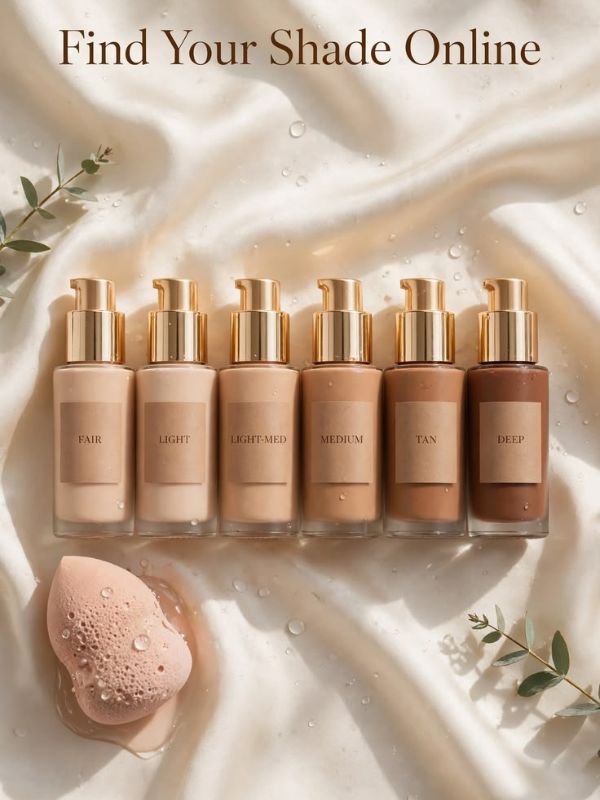
Estimated price: $6–$25
Foundation is one of the main products in a complete makeup kit. It is used to even out the appearance of the skin tone and provide coverage over areas such as redness, discoloration or uneven pigmentation.
Foundations come in different formulations, finishes and levels of coverage. Some offer a sheer finish that allows more of the natural skin to show through, while others provide medium or full coverage. The right foundation depends on how you like your makeup to look and feel.
Common foundation types include:
- Liquid foundation: One of the most versatile options, available in a wide range of finishes and coverage levels.
- Cream foundation: Often offers more substantial coverage and may be useful for people who prefer a creamier texture.
- Powder foundation: Can be convenient for people who prefer powder formulas or want a product that is easy to apply and carry.
- Skin tint: Usually offers lighter coverage and can be suitable for someone who prefers a more subtle complexion product.
When choosing foundation, don’t just pick a shade because it looks close to your skin color in the bottle. Test it along the jawline, ideally in natural lighting, and give the formula a little time to settle. Some foundations may change slightly in appearance after application.
When choosing foundation, don’t just pick a shade because it looks close to your skin color in the bottle. Test it along the jawline, ideally in natural lighting, and give the formula a little time to settle. If you struggle with blending or getting an even finish, these tips on how to apply foundation without it looking patchy can help you get a smoother result.
Pay attention to undertones as well. Foundation shades are often described as warm, cool, neutral or with other undertone variations. A foundation that is too warm may look orange, while one that is too cool may appear pink or grayish on the skin. The shade should blend naturally into your face and neck.
Coverage is another important consideration. If you mainly want to even out your skin tone, a lighter or buildable foundation may be more comfortable than a full-coverage formula. You can always add concealer to areas that need more coverage.
If you are purchasing only one foundation for your makeup kit, prioritize the shade, comfort, finish and wear over the price tag.
Concealer
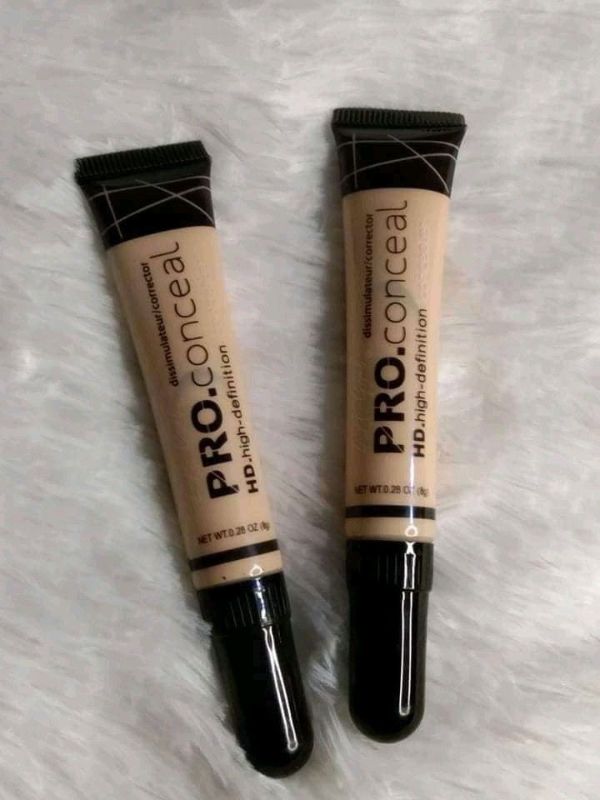
Estimated price: $4–$18
Concealer is used to cover or brighten specific areas of the face. It can help reduce the appearance of dark circles, blemishes, discoloration and other areas where you want additional coverage.
Although foundation and concealer can work together, you don’t always need both. If your foundation already provides the coverage you want, you may not need much concealer. However, a concealer can be useful for targeting areas without applying another layer of foundation across the entire face.
There are two common reasons people use concealer: covering imperfections and brightening areas such as the under-eye region.
For spot concealing, choose a shade close to your skin tone so that the product blends into your foundation without leaving a noticeable patch. For under-eye brightening, some people prefer a slightly lighter shade, but a concealer that is dramatically lighter can make the area look unnatural.
The formula also matters. A concealer that is too thick or dry may settle into fine lines, while a very thin formula may not provide the coverage you want. If you have dry under-eye skin, consider a formula that feels comfortable and avoid applying too much product at once.
You can start with a small amount, blend it carefully and add another layer only if needed. This usually gives you more control than applying a large amount of concealer from the beginning.
Setting powder
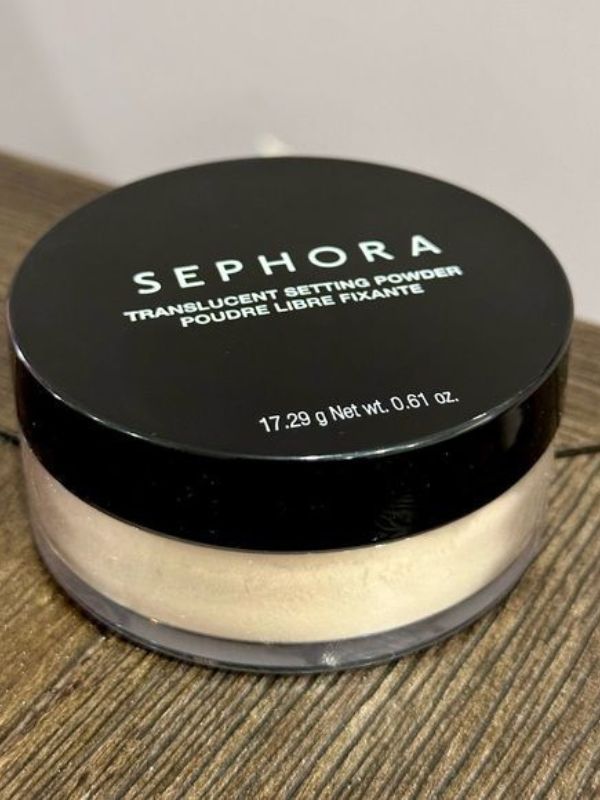
Estimated price: $5–$18
Setting powder helps reduce excess shine and can help certain areas of makeup stay in place. It is commonly used over foundation and concealer, particularly around the under-eyes, nose, forehead and other areas where makeup may crease or become oily.
There are two common types of setting powder.
- Loose powder: A finely milled powder that is often used to set foundation and concealer.
- Pressed powder: A compact powder that is convenient for everyday use and touch-ups.
Setting powder isn’t something you have to apply heavily across your entire face. If your skin is dry or you prefer a more natural finish, you may only need a small amount in areas that tend to become shiny or where makeup creases.
For under-eye setting, use a small amount of powder and avoid applying too much. Excess powder can make the skin appear dry or emphasize texture, especially if the concealer underneath is already thick.
Powder can also be useful for touching up makeup during the day. A compact powder is convenient to carry in your handbag if you want to reduce shine without carrying your entire makeup kit.
Blush
Estimated price: $4–$15
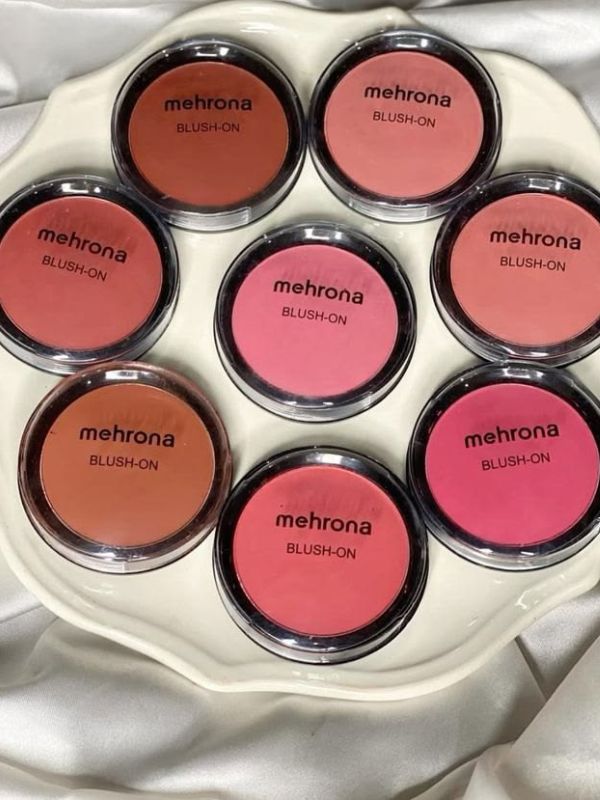
Blush is one of those makeup products that can make a complexion look more lively with very little effort. After applying foundation and powder, the face can sometimes look flatter or less colorful than it did before makeup. Blush helps add color to the cheeks and brings some of that natural-looking warmth back into the makeup.
Blush comes in powder, cream and liquid formulations. Powder blush is generally straightforward to apply over a powdered complexion, while cream blush can be blended into the skin before setting powder or used with compatible complexion products.
The shade you choose can influence the overall makeup look. Pink, peach, rose, mauve, berry and coral shades are among the common blush color families, but the best choice depends on your preferences and how the color looks on your skin.
You don’t need to purchase several blush shades at once. One blush that you enjoy wearing and can use with your everyday makeup is a good starting point.
For application, place the blush where you want the color to appear and blend the edges. You can build the intensity gradually instead of picking up a large amount of product at once.
Cream blushes can also be useful for people who enjoy a softer, more skin-like finish, but check the product’s intended use and compatibility with the other makeup you apply.
Bronzer
Estimated price: $5–$18
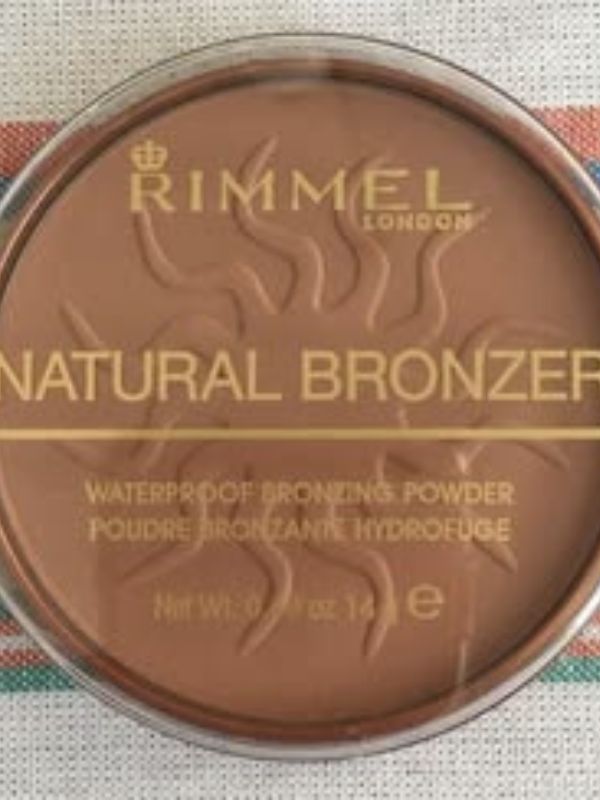
Bronzer is used to add warmth to the complexion. It can make the face look warmer and help create a sun-kissed appearance without necessarily sculpting or reshaping the face.
Bronzer and contour are often confused because both products are applied to areas of the face to create dimension. However, their purposes are different. Bronzer generally adds warmth, while contour is used to create the appearance of shadow and definition.
Bronzers are available in powder, cream and liquid formulas. Powder bronzer may be easier for someone who is beginning to experiment with complexion makeup, while cream formulas can work well with cream-based products.
When choosing a bronzer, avoid a shade that looks excessively orange or muddy on your skin. The goal is to add warmth, not leave an obvious patch of color.
Bronzer is an optional product in a basic makeup kit. If you already have blush and foundation and are happy with your look, you can add bronzer later.
Contour
Estimated price: $5–$18
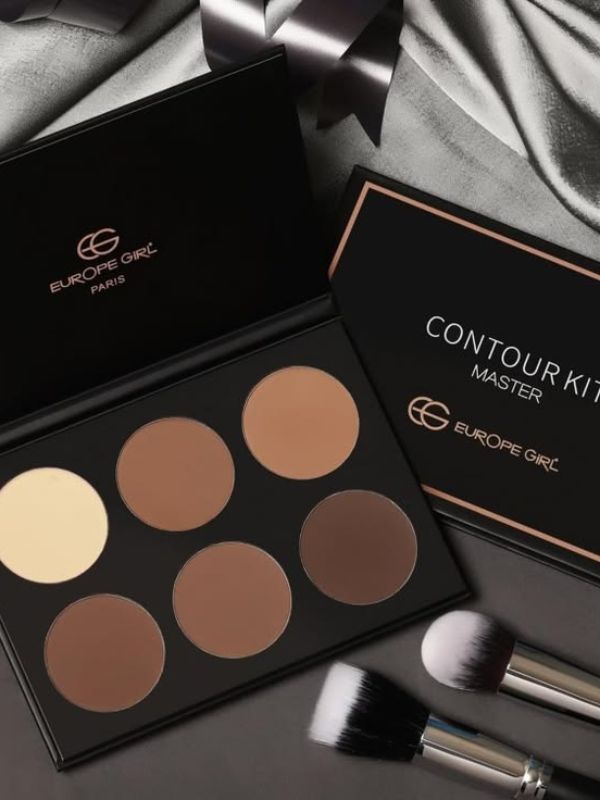
Contour products are used to create the appearance of shadows and define areas of the face. They are commonly applied around the cheekbones, jawline, sides of the nose or forehead, depending on the makeup style.
Contour comes in cream, powder and other formulations. Cream contour can be blended into the complexion before setting powder, while powder contour is often applied over a set complexion.
Choosing the right contour shade is important because a shade that is too warm can look more like bronzer than a natural shadow. Some people prefer cooler or neutral-toned contour shades, although the ideal shade depends on their complexion and the look they want.
Contouring also requires some blending. Applying too much product or placing it in the wrong area can create harsh lines that are difficult to soften once the makeup is set.
If you are new to makeup, learning how to apply the products in your kit can take a little practice. This step-by-step makeup tutorial for beginners walks you through the basic application techniques, from preparing your skin to finishing your lips.
Highlighter
Estimated price: $4–$18
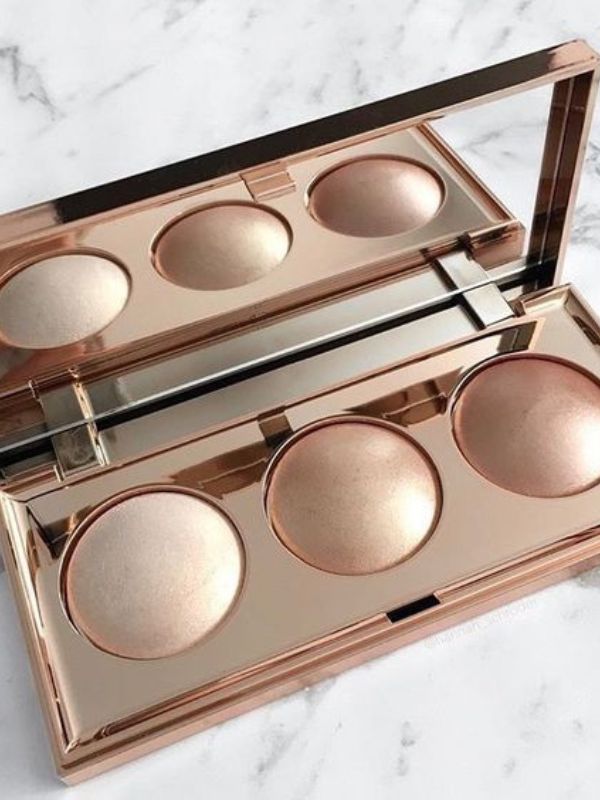
Highlighter is used to add shine or light-reflecting color to selected areas of the face. It is commonly applied to the cheekbones, brow area, bridge of the nose or other places where someone wants a luminous finish.
Highlighters can be powder, cream or liquid. Powder formulas may be easier to apply over a powdered complexion, while cream and liquid highlighters can be used with compatible products to create a softer finish.
Some highlighters have a subtle sheen, while others contain noticeable shimmer. The finish you choose depends on how visible you want the highlight to be.
A highlighter can be useful for evening makeup, soft glam or looks where you want the cheeks to have more dimension. However, it is not an essential product for every makeup kit.
If you are buying your first collection of makeup, you can leave highlighter off the shopping list until you have the products you use regularly.
Makeup setting spray
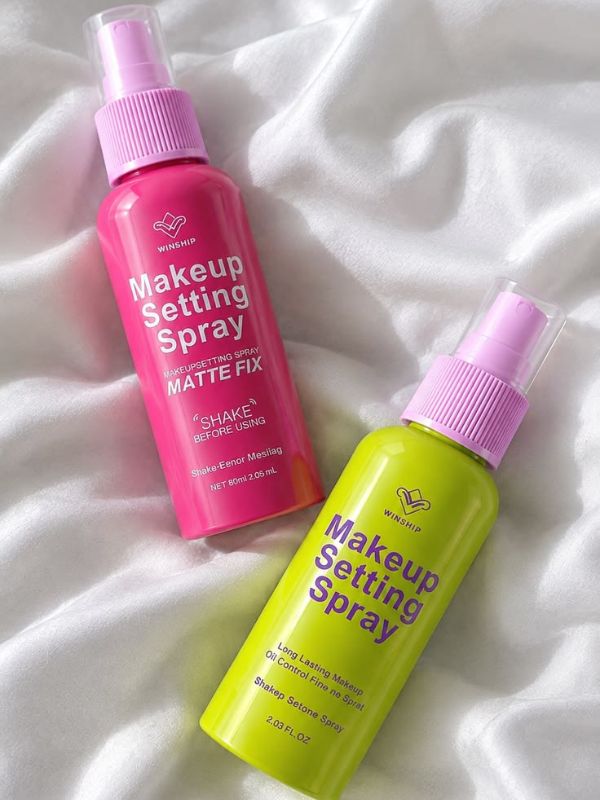
Estimated price: $5–$20
Setting spray is commonly used as one of the final steps in a makeup routine. Depending on the formula, it may help makeup wear more comfortably, reduce the powdery appearance of the complexion or provide a particular finish.
Setting sprays are available in formulas designed for different needs. Some focus on a matte finish, while others are intended to provide a more dewy or hydrated appearance. There are also formulas marketed for longer wear.
Setting spray doesn’t automatically make every makeup look last all day. The results depend on the formula, how it is used, the other products applied and the conditions the makeup is exposed to throughout the day.
For someone who wears makeup for work, events or long days outside the home, setting spray may be useful. However, it is optional. You can build a makeup kit without purchasing one immediately.
Estimated face makeup subtotal: $38–$150 if purchasing all the listed products. This is a broad estimate because some products are optional and prices vary.
Eye Makeup Products to Add to Your Makeup Kit
Eye makeup can be as simple as mascara and a little eyeshadow or as detailed as several eyeshadow colors, eyeliner, false lashes and a carefully blended look. You don’t have to learn every eye makeup technique before building your kit. Start with products you are comfortable using and add more as you become familiar with application.
Eyeshadow palette
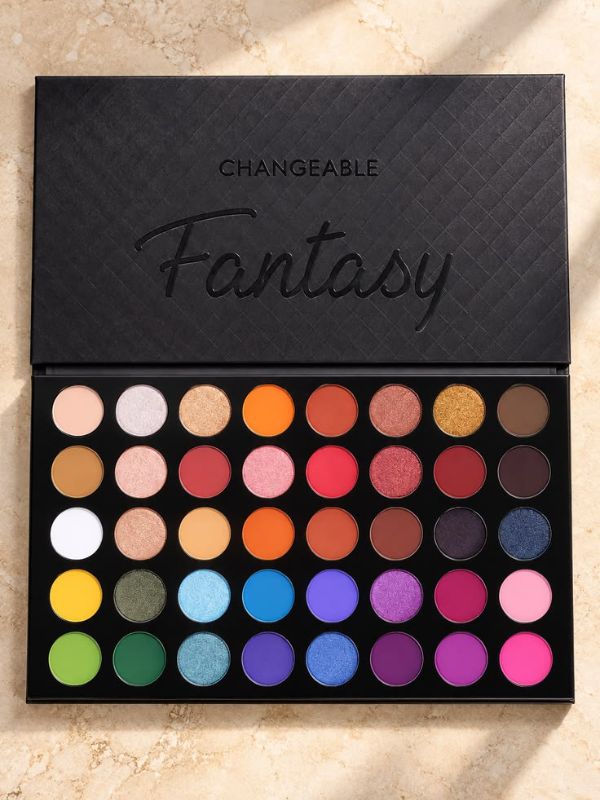
Estimated price: $5–$25
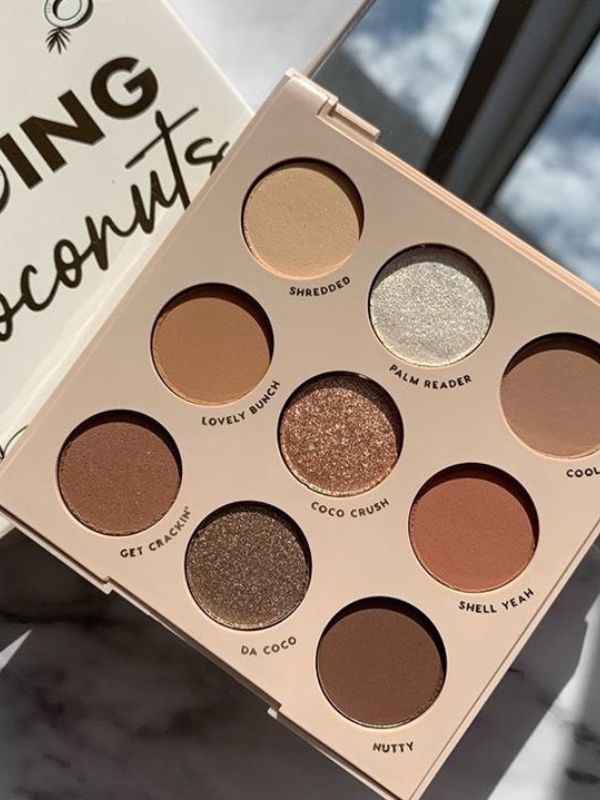
An eyeshadow palette gives you the opportunity to experiment with different colors, finishes and eye makeup looks. Even a small palette with a few complementary shades can be used for everyday makeup, soft glam, smoky eyes and other styles.
An eyeshadow palette gives you the opportunity to experiment with different colors, finishes and eye makeup looks, including a smokey eye makeup look that can range from soft brown shades to deeper, more dramatic colors.
For your first eyeshadow palette, think about the shades you would actually wear. Neutral brown, beige, taupe, soft pink, bronze and shimmer shades can be useful if you enjoy natural-looking makeup. A palette containing a combination of matte and shimmer shades may also give you more flexibility.
A useful eyeshadow palette can include:
- A light shade for highlighting or blending.
- A medium shade for adding definition.
- A deeper shade for the outer corner or crease.
- A shimmer shade for adding brightness to the eyelid.
These colors don’t have to be in the same palette, and you don’t need a large collection of eyeshadows to create several looks. A small palette with shades that work together may be more useful than a very large palette that contains many colors you rarely use.
When shopping, pay attention to the texture, pigmentation and ease of blending. Highly pigmented shadows can be beautiful, but they may require more careful application. For beginners, shades that can be built up gradually are often easier to work with.
You can also start with a palette that fits your everyday makeup preferences and add colorful palettes later if you enjoy experimenting.
Eyeliner
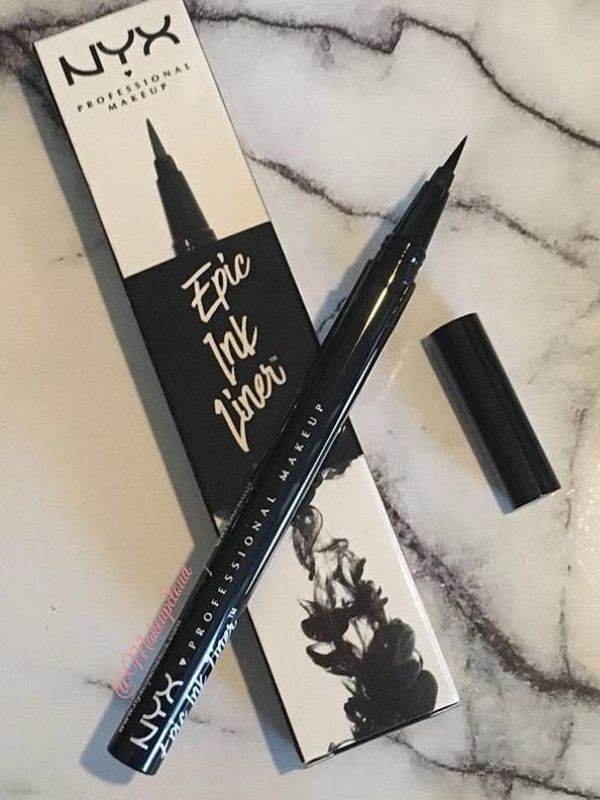
Estimated price: $3–$12
Eyeliner helps define the eyes and can make a makeup look more noticeable without requiring a large number of products. It can be applied along the lash line, used to create a wing or blended into the eye makeup for a softer effect.
Eyeliner comes in different formats, and each one has its own learning curve.
- Pencil eyeliner: Often a convenient option for beginners. It can be used for subtle definition and may be easier to control than liquid eyeliner.
- Liquid eyeliner: Useful for creating precise lines and sharper winged looks.
- Gel eyeliner: Usually applied with a brush or comes in a pencil format, depending on the product. It can be used for defined or blended looks.
If you are putting together a makeup kit for the first time, you don’t need all three types. A pencil eyeliner can be enough to begin with, especially if you want to define the lash line rather than create dramatic wings.
Choose a product that is comfortable to use around the eyes and follow its instructions. Eye products should not be shared, and they should be discarded if they become contaminated or change in appearance or smell.
Mascara
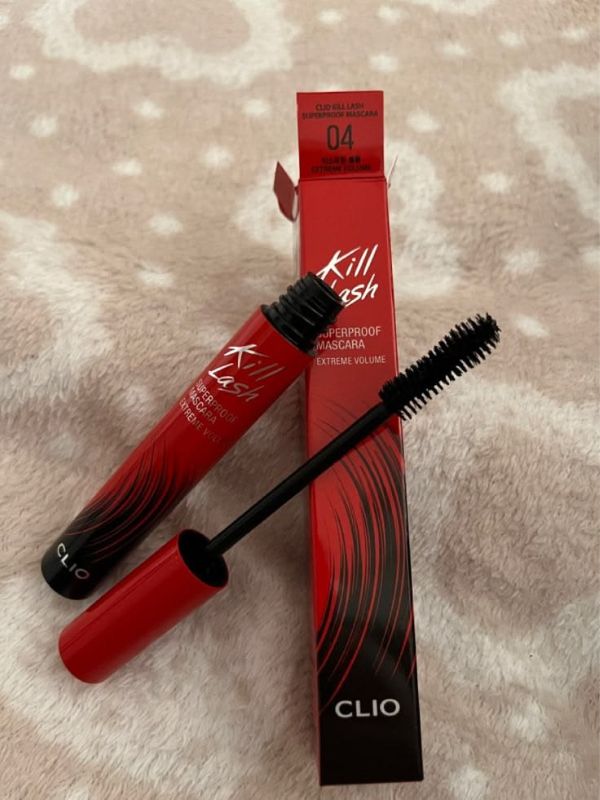
Estimated price: $4–$15
Mascara is one of the products many people reach for even when they don’t feel like wearing a full face of makeup. It helps define the eyelashes, making them appear darker, longer, fuller or more noticeable, depending on the formula.
Mascara is available in different types, including volumizing, lengthening, curling and waterproof formulas. Some products focus on creating fuller-looking lashes, while others are designed to separate and lengthen them.
If you prefer a simple makeup routine, mascara can be used on its own with a little concealer, blush and lip gloss. It can also complement eyeshadow and eyeliner when you want a more complete eye makeup look.
Waterproof mascara may be useful for occasions when you want makeup to resist moisture, but it can be more difficult to remove than regular mascara. If you use it frequently, make sure you have a makeup remover suitable for removing waterproof eye makeup.
Mascara is one product I would prioritize in a basic makeup kit because it can make a difference to an eye makeup look without requiring much application time.
Eyelash curler
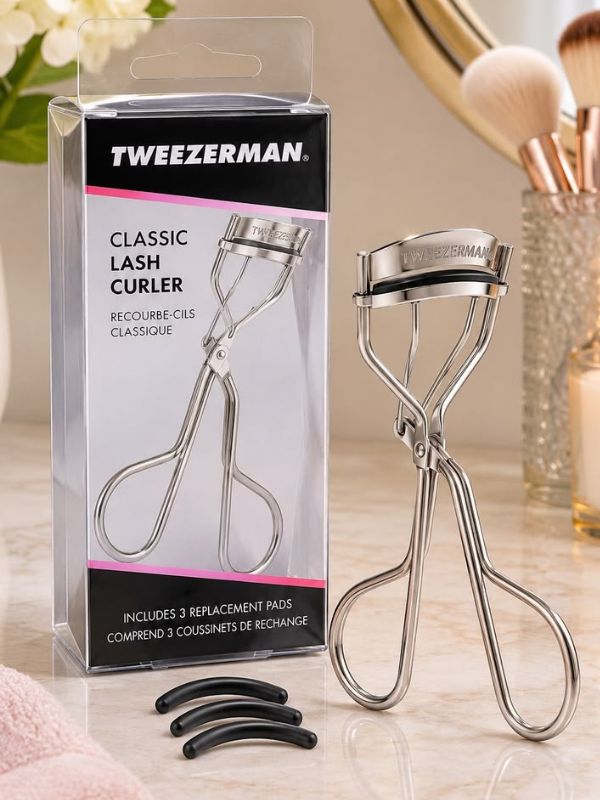
Estimated price: $3–$10
An eyelash curler is a small tool used to curl the natural eyelashes before mascara application. It can help create a lifted appearance, particularly for lashes that naturally point downward or appear straight.
Using an eyelash curler is straightforward, but it’s important to use it correctly. Curl clean lashes before applying mascara, position the curler carefully and avoid pulling or squeezing it against the skin. Never curl lashes after applying mascara, as dried mascara can make the lashes stiff and increase the risk of breakage.
The eyelash curler isn’t essential for every person. Some people naturally have curled lashes and may not need one. If you like the appearance of curled lashes, however, it is an inexpensive tool that can be worth adding to your makeup kit.
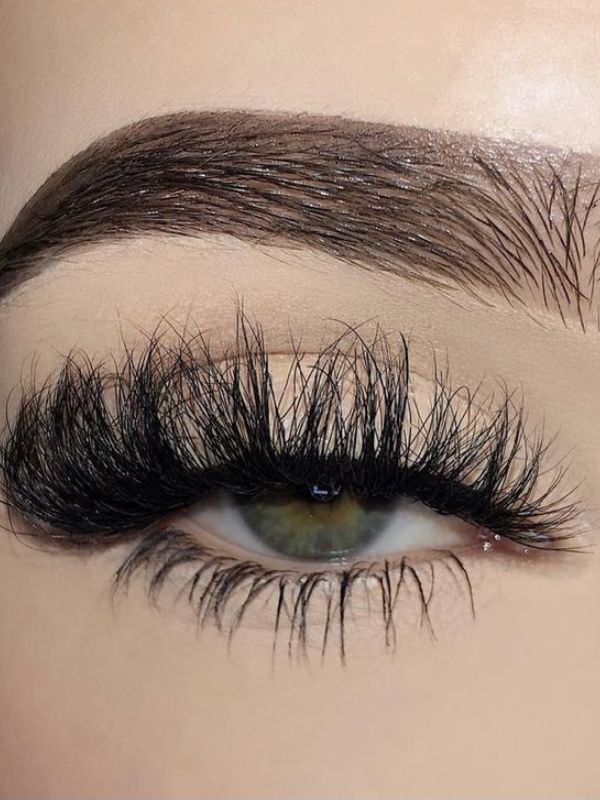
False eyelashes
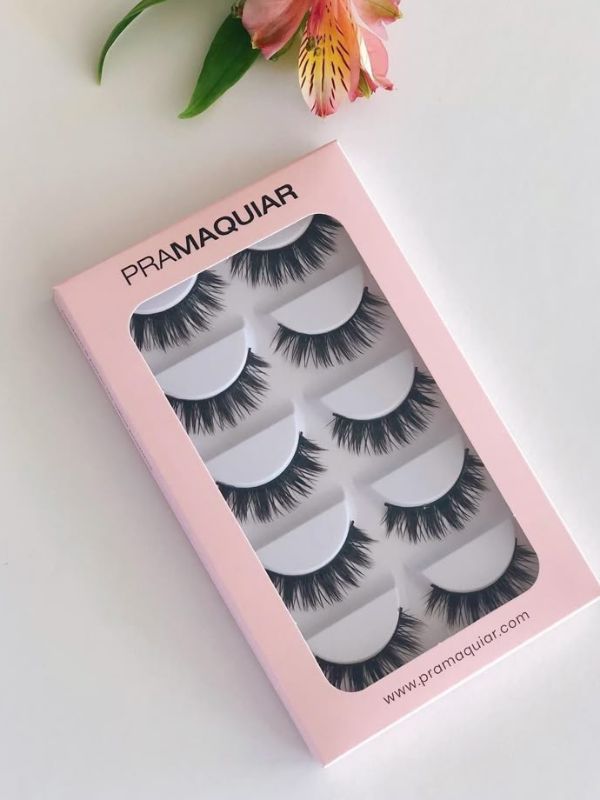
Estimated price: $4–$15
False eyelashes can make an eye makeup look more dramatic, particularly for soft glam, evening makeup, wedding makeup or other occasions. They come in different lengths, densities and styles, ranging from subtle lashes that add a little fullness to dramatic lashes that create a noticeable effect.
You can purchase strip lashes, individual lashes or other lash styles, depending on your preference and application experience.
If you are a beginner, natural-looking strip lashes may be easier to incorporate into your makeup routine than very long or dense lashes. However, false lashes require practice. The band may need trimming, the glue needs time to become tacky and the lash should be positioned carefully along the lash line.
Lash glue should be used according to its instructions and should not be applied directly into the eye. If you experience irritation, discontinue use.
False eyelashes are an optional addition to your makeup kit. They are not required for everyday makeup, and you can create beautiful eye makeup looks without them.
Estimated eye makeup subtotal: $19–$77 if purchasing all five products, including the eyelash curler and false eyelashes.
Brow Products That Help Define Your Eyebrows
Eyebrows are an important part of many makeup routines. Filling in sparse areas, adding definition or keeping brow hairs in place can help complete the appearance of a makeup look.
You don’t need a collection of brow products to achieve this. One eyebrow pencil or brow gel may be enough, depending on the shape and fullness of your natural eyebrows.
Eyebrow pencil
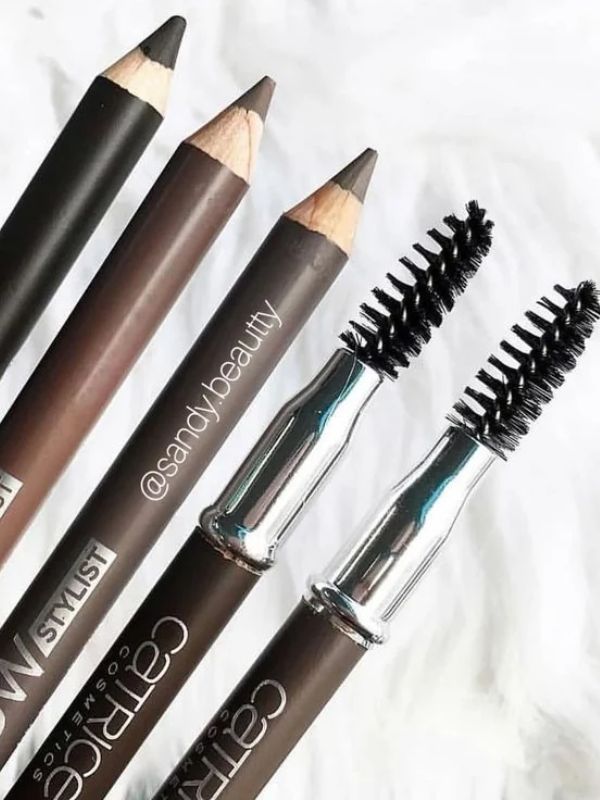
Estimated price: $3–$12
An eyebrow pencil is used to fill sparse areas, create a more defined shape and add color to the brows. It is one of the most convenient brow products for people who want a little more definition without using several products.
Some eyebrow pencils have a fine tip that allows you to create small strokes resembling brow hairs, while others have a softer tip for filling in larger areas. Many also come with a spoolie brush that can be used to comb through the brows and soften the color.
When choosing an eyebrow pencil, consider the color of your natural brow hairs and the look you want. A shade that is too dark can make the brows look harsh, particularly if you apply too much product.
Start with light strokes in sparse areas and blend them using a spoolie. You can build up the color gradually until the brows look defined without appearing overly drawn.
An eyebrow pencil is a useful product to include in a complete makeup kit because it is easy to carry, doesn’t take up much space and can be used for everyday makeup.
Brow gel
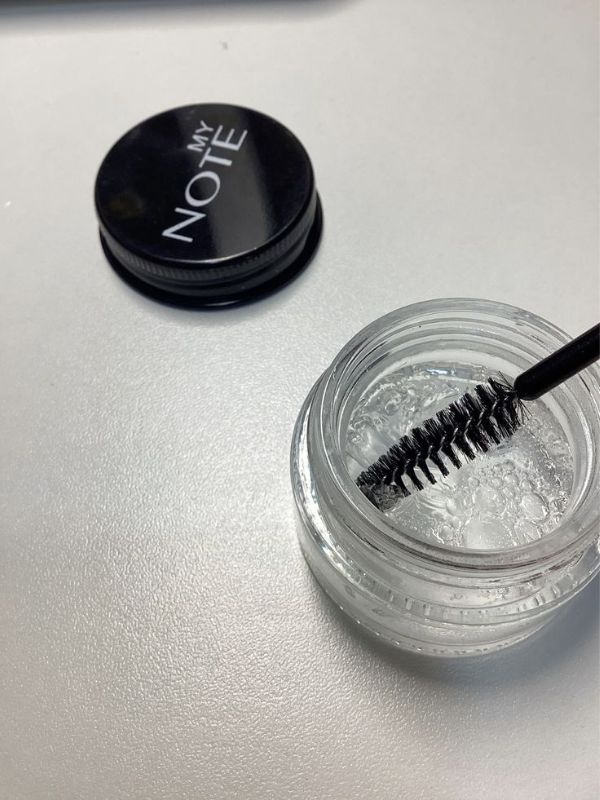
Estimated price: $4–$15
Brow gel is used to help keep eyebrow hairs in place. It can be clear or tinted, depending on the product.
Clear brow gel is useful for grooming the brows and keeping them in the desired position without adding color. Tinted brow gel can add a little color while helping the brow hairs appear more defined.
If you already have naturally full brows, brow gel may be all you need. You can brush the hairs into position and leave them looking neat without filling in the entire brow.
If your brows have sparse areas, an eyebrow pencil can provide more definition, while brow gel can be used afterward to help keep the hairs in place.
You don’t have to purchase both products immediately. If you are trying to keep your makeup kit affordable, choose the one that addresses your main brow concern.
Brow pomade
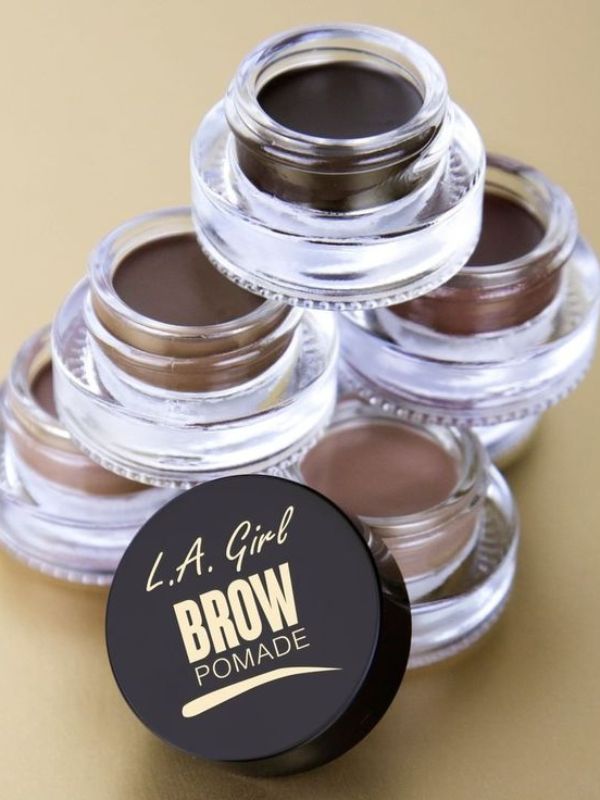
Estimated price: $5–$15
Brow pomade is a product used to create more defined eyebrows. It is usually applied with a small angled brush, allowing you to fill in the brows, define the edges and create a more structured shape.
Pomade can be useful for makeup looks where the eyebrows are more defined. However, it can require a little practice because applying too much product may make the brows look overly dark or sharply drawn.
A small amount of pomade can go a long way, so it is generally better to start with less and add more as needed.
If you enjoy natural-looking brows, you may prefer a pencil or gel. If you like a more sculpted brow, pomade may be a useful addition.
Estimated brow product subtotal: $7–$27 if purchasing two products. You don’t need all three brow products to have a complete makeup kit.
Lip Products to Complete Your Makeup Kit
Lip products are often the easiest part of a makeup kit to personalize. You may prefer nude lipstick, brown lip liner, clear gloss, pink lip colors, reds, berry shades or a combination of several colors.
A small collection of lip products can be used to create several looks. You don’t need to purchase every lipstick shade you see in a store, especially if you are building a kit on a budget.
Lip liner
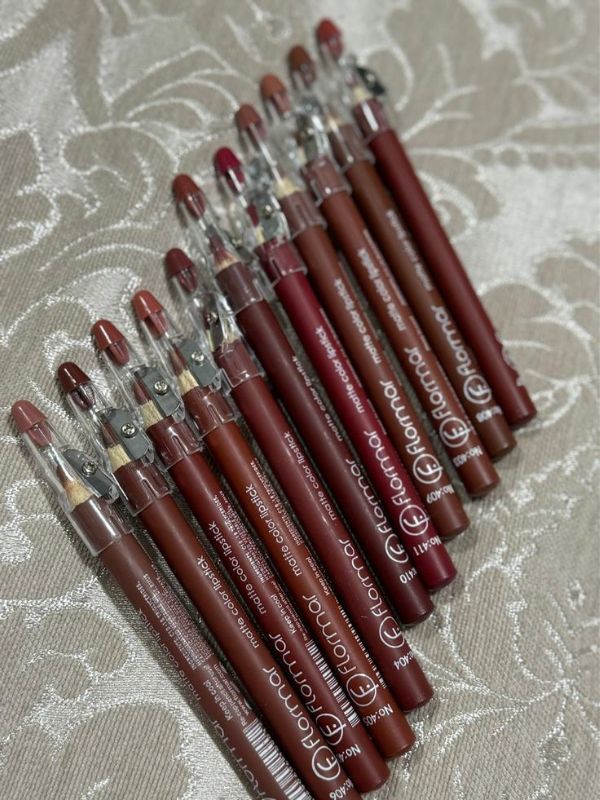
Estimated price: $3–$12
Lip liner helps define the lips and can be used to create a more precise lip shape. It is also useful for pairing with lipstick or lip gloss, particularly if you want to create a layered lip look.
A neutral brown lip liner is a common choice for people who enjoy nude lip combinations, but the shade you choose should reflect your makeup preferences. You may prefer a pink, mauve, berry or other color instead.
Lip liner can be used to outline the lips, blend inward and create a base for lipstick or gloss. Some people also use it across the lips to help create a more defined color.
For your first makeup kit, one or two versatile lip liners may be enough. If you regularly wear different lipstick shades, you can add more colors later.
Lipstick
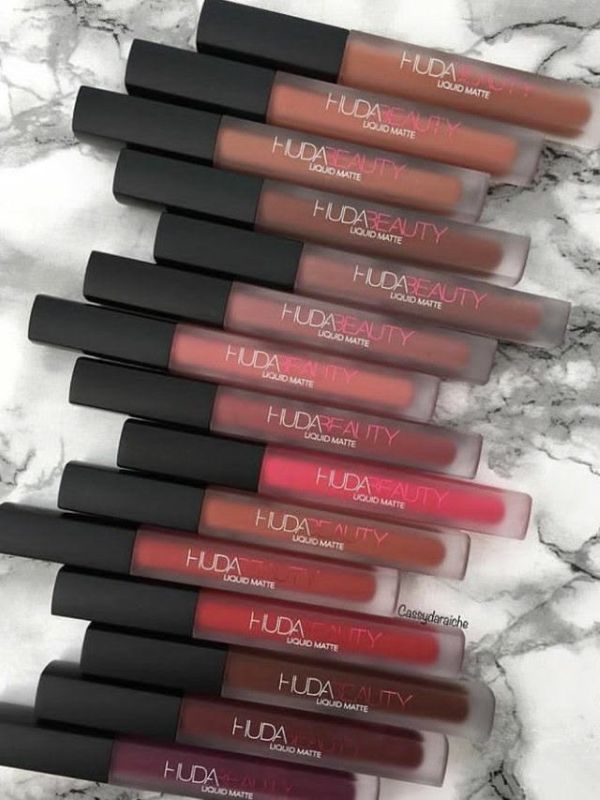
Estimated price: $4–$18
Lipstick is one of the makeup products that can change the appearance of a look almost immediately. You can wear a neutral shade for everyday makeup, a deeper color for evening makeup or a brighter shade when you want your lips to stand out.
Lipsticks come in different finishes, including matte, cream, satin and glossy finishes.
- Matte lipstick: Usually provides a more velvety or non-shiny finish. Some matte formulas may feel dry, so consider how comfortable they are on your lips.
- Cream lipstick: Often offers a softer finish and may feel more comfortable for people who prefer creamy textures.
- Satin lipstick: Typically sits between matte and glossy finishes, offering some sheen without the appearance of a gloss.
- Liquid lipstick: Often provides a more defined application and may offer long wear, depending on the formula.
You don’t need to buy a large collection of lipsticks at the beginning. One shade you enjoy wearing regularly and another for a different look may be enough.
If you like nude lip combinations, you can pair lipstick with a brown liner and gloss. If you prefer a bold lip, you may not need much additional lip makeup.
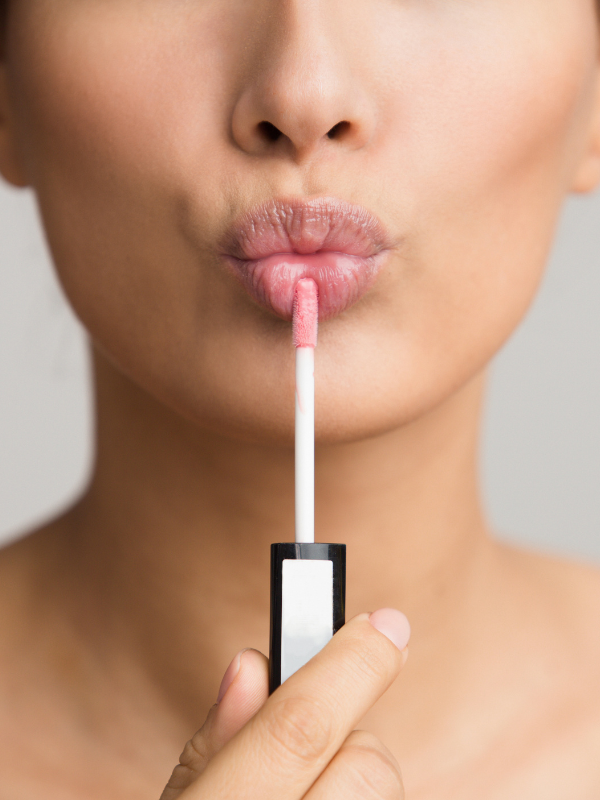
Lip gloss
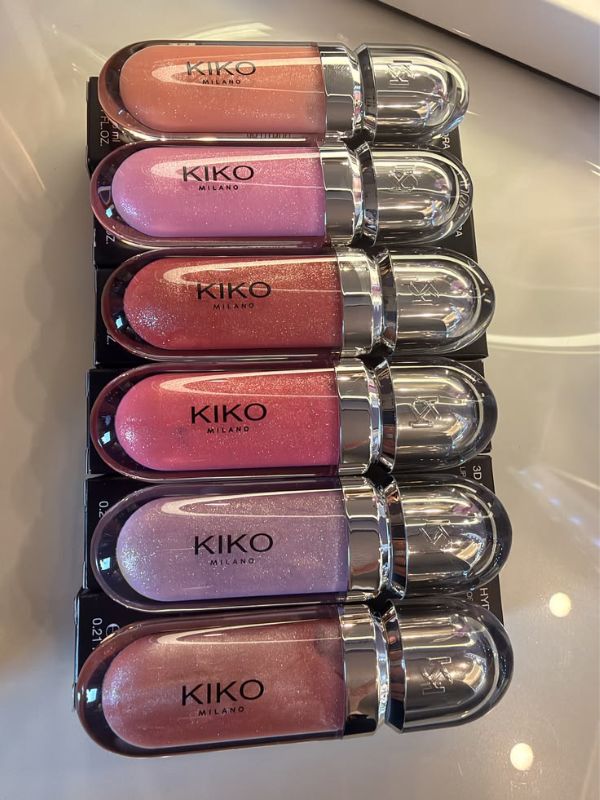
Estimated price: $3–$15
Lip gloss adds shine to the lips and can be worn alone or over lipstick. It is useful for creating softer, more casual lip looks, but it can also be incorporated into glam makeup.
Glosses come in clear, tinted, shimmer and other finishes. Some are more lightweight, while others have a thicker texture that may feel sticky.
A clear gloss is versatile because it can be worn alone or layered over different lip colors. A tinted gloss can provide color and shine without requiring the application of lipstick.
If you enjoy glossy lips, this is a product worth including in your kit. You don’t need several glosses at once, though. Start with one that you like and add additional shades when you find colors you genuinely want to wear.
Lip balm
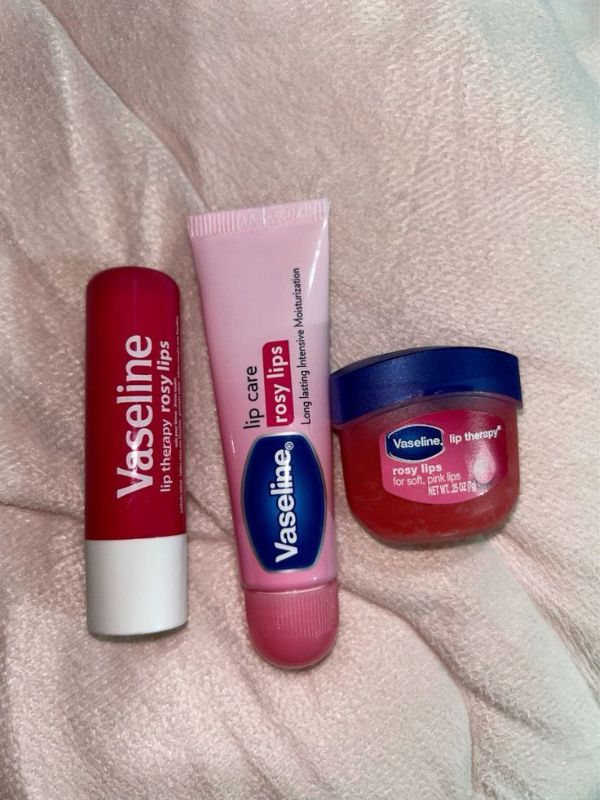
Estimated price: $2–$8
Lip balm helps keep the lips comfortable and can be useful before applying lipstick. Dry or flaky lips may make some lip products appear uneven, particularly matte lipsticks.
A lip balm can be applied before makeup to soften the lips while you prepare the rest of your face. If you intend to apply lipstick, remove any excess balm when necessary so the lipstick can adhere comfortably.
Lip balm can also be worn alone on days when you don’t want to wear lipstick or gloss.
It is a small, inexpensive product that is useful to have in your makeup bag, although it can also be kept with your regular skincare products.
Estimated lip product subtotal: $12–$45 if purchasing all four products.
Makeup Brushes and Tools You Need
Makeup products are only part of a complete makeup kit. You also need tools that make it easier to apply and blend them. Fortunately, you don’t have to buy a large brush collection before you can start doing your makeup.
A small selection of useful brushes, a makeup sponge and a few basic accessories can handle most everyday makeup application.
Foundation brush or makeup sponge
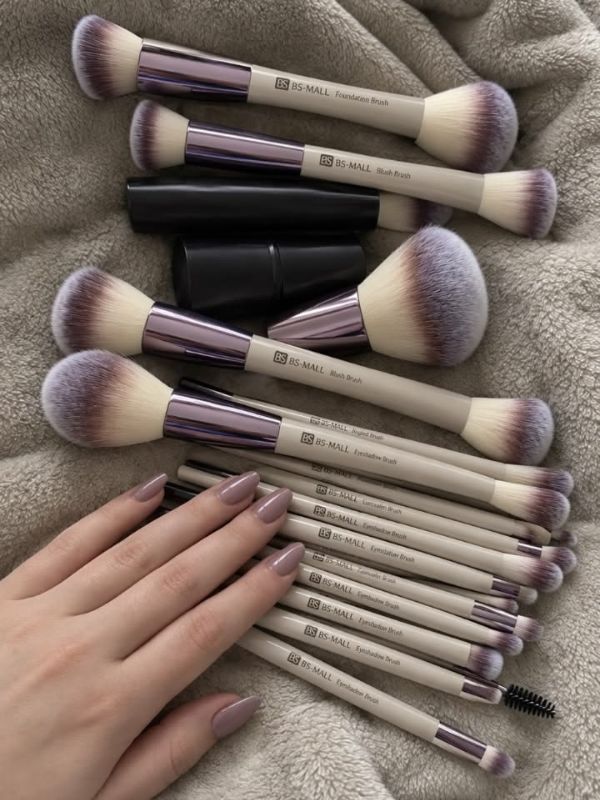
Estimated price: $3–$12
A foundation brush or makeup sponge can help you apply and blend foundation. You can choose one based on the type of foundation you use, your preferred application method and how much time you want to spend blending.
A foundation brush can be useful for applying foundation evenly across the face. Different brush shapes are designed for different application techniques, so you may prefer a flat brush, a rounded brush or a brush with densely packed bristles.
A makeup sponge is another popular option. A damp sponge can be used to blend liquid and cream makeup, helping you soften visible edges and distribute the product. It can also be used to blend concealer and other compatible complexion products.
You don’t need both tools immediately. If you prefer using a sponge, start with one. If you prefer brushes, choose a foundation brush that works well with your foundation.
Remember to clean your reusable sponge and brush regularly, allow them to dry properly and replace them when they become damaged or difficult to clean.
Concealer brush – $3 to $8
Estimated price: $3–$8
A concealer brush is used to apply and blend concealer around the eyes, over blemishes or on areas that need additional coverage. The brush may have a small, flat shape or a more rounded design, depending on the intended use.
A small brush can be particularly useful when you want to apply concealer precisely rather than covering a large area. It can also help blend concealer around the edges of a blemish without removing too much of the product from the center.
You can also use a makeup sponge or your fingers to blend some concealers, so a separate concealer brush isn’t compulsory. However, if you regularly use concealer, a small brush can make application easier.
Powder brush – $4 to $12
Estimated price: $4–$12
A powder brush helps distribute powder across the face. It is commonly used with loose or pressed setting powder, particularly when you want a lighter application.
A fluffy powder brush can help you apply powder without depositing too much product in one area. You can use it to lightly set your complexion or apply powder where you notice shine.
If you prefer a more targeted application, a smaller brush may be useful around the under-eyes or nose.
A powder brush is worth considering if you use setting powder regularly, although you may be able to use another suitable brush you already own.
Blush brush – $3 to $10
Estimated price: $3–$10
A blush brush helps you apply and blend blush on your cheeks. It can be angled, rounded or fluffy, depending on the brush design.
The brush you choose should allow you to pick up an appropriate amount of blush and blend the edges without leaving a harsh line.
For powder blush, a soft brush may be useful for gradually building the color. If you use cream blush, you may prefer a brush designed for cream products or a makeup sponge.
You don’t necessarily need a separate blush brush if you already have a suitable powder brush. Some people prefer using one brush for more than one product, provided the brush is cleaned appropriately between uses and the products are compatible.
Eyeshadow brushes – $5 to $15 for a small set
Estimated price: $5–$15
Eyeshadow brushes help you apply, blend and build eyeshadow. A small collection is generally enough to begin experimenting with different eye makeup looks.
A basic set may include:
- Blending brush: Used to soften edges and blend eyeshadow.
- Flat shader brush: Used to apply eyeshadow to the eyelid.
- Small detail brush: Useful for applying eyeshadow to smaller areas or adding definition.
You can create several eyeshadow looks with these brushes. You don’t need a separate brush for every shade in your palette.
When purchasing brushes, pay attention to the shape, softness and ease of cleaning. Brushes that feel comfortable to use and maintain are more valuable than a large collection you rarely reach for.
Other useful makeup tools
There are a few smaller tools that can make makeup application easier.
Tweezers – $2 to $8
Tweezers can be used to remove stray brow hairs and help with small grooming tasks. They aren’t required for makeup application, but they can be useful to keep in a beauty kit.
Makeup sharpener – $2 to $5
If you use pencil eyeliner, lip liner or eyebrow pencils that require sharpening, a makeup sharpener is useful. Choose one designed for makeup pencils, and clean it regularly.
Compact mirror – $3 to $10
A compact mirror is convenient for checking your makeup and making touch-ups during the day. You may already have a mirror at home, so this doesn’t have to be an additional purchase.
Brush-cleaning tool or cleaning mat – $3 to $10
A brush-cleaning mat can help remove makeup residue from brushes. It isn’t compulsory, but it may make cleaning brushes easier. You can also clean your brushes without purchasing a special mat.
Estimated makeup tool subtotal: $15–$60, depending on the number of tools and whether you purchase a brush set.
Makeup Removal Products to Include in Your Kit
A makeup kit isn’t complete without products for removing makeup. Applying makeup may be the enjoyable part of your routine, but removing it properly is just as important.
Foundation, sunscreen, mascara, eyeliner, lipstick and other products can remain on the skin if they aren’t removed. You need a removal routine that works with the products you wear, particularly if you use waterproof mascara or long-wearing makeup.
Micellar water – $4 to $12
Estimated price: $4–$12
Micellar water is commonly used to remove makeup, sunscreen and other buildup from the skin. It can be convenient for everyday makeup removal, particularly if you wear light makeup or want a product that is easy to use.
Some micellar waters are formulated for different skin needs, and certain products are marketed for removing eye and lip makeup as well.
You can apply micellar water to a cotton pad and gently wipe away makeup according to the product’s instructions. Avoid rubbing aggressively, particularly around the eyes, where the skin is more delicate.
Some micellar water products are designed to be rinsed off, while others may be marketed as no-rinse products. Follow the directions on the packaging and consider your skin’s comfort.
Makeup remover or cleansing oil – $5 to $18
Estimated price: $5–$18
A makeup remover, cleansing oil or cleansing balm can be useful for removing long-wearing makeup, waterproof mascara, sunscreen and heavier complexion products.
Cleansing oils and balms are often used as the first step in a double-cleansing routine. They help loosen makeup and other oil-based buildup before the skin is cleansed with another product.
If you wear full-coverage foundation, waterproof eye makeup or long-wearing lipstick, you may find that a dedicated makeup remover is more effective and comfortable than trying to remove everything with your regular facial cleanser.
Choose a product that is suitable for the areas where you intend to use it, particularly around the eyes. Follow the instructions and avoid getting the product into your eyes.
Makeup removal pads or reusable cotton pads – $2 to $10
Estimated price: $2–$10
Cotton pads can be used with micellar water or other makeup removers. They are convenient for removing makeup, cleaning around the eyes or applying certain skincare products.
Reusable cotton pads are another option. They can be washed and reused, but they need to be cleaned thoroughly and allowed to dry properly between uses.
You don’t need to purchase expensive cotton pads. The main consideration is choosing a product that feels comfortable on your skin and works with your makeup removal routine.
Makeup brush cleanser – $4 to $15
Estimated price: $4–$15
Brush cleanser is useful for cleaning makeup brushes and removing makeup residue, oils and buildup. Regularly cleaning your makeup tools helps keep them in good condition and reduces the accumulation of makeup and microorganisms.
You can use a brush cleanser, suitable soap or another product designed for cleaning makeup tools, depending on the brush manufacturer’s recommendations and the cleaning product’s instructions.
Brushes used with cream and liquid makeup may need more frequent cleaning because product can accumulate in the bristles. Reusable makeup sponges should also be washed frequently and allowed to dry fully.
Avoid soaking the entire brush in water, particularly around the ferrule, where the bristles are attached. Excessive moisture can loosen the adhesive or damage the brush over time.
Estimated makeup removal and cleaning subtotal: $15–$55, depending on the products you choose.
How Much Does a Complete Makeup Kit Cost?
The cost of a complete makeup kit depends on the products you purchase, the brands you choose, the number of tools you need and the makeup looks you want to create.
You can build an affordable kit using drugstore products, or you can spend more on higher-priced products, additional shades and a wider selection of tools. The important thing is to decide what you actually need before shopping.
For someone starting from scratch, I would think about the cost in three categories: a budget kit, a mid-range kit and a more extensive makeup kit.
Budget makeup kit – approximately $75 to $120
A budget makeup kit can be a good starting point for someone who wants to learn makeup application, wear makeup occasionally or build an everyday routine without spending too much.
At this price range, focus on products that are versatile and easy to use. You don’t need to purchase every complexion product, several eyeshadow palettes or a large collection of lip colors.
A budget makeup kit may include:
- Moisturizer.
- Sunscreen.
- Foundation.
- Concealer.
- Setting powder.
- Blush.
- Eyeshadow palette.
- Eyeliner.
- Mascara.
- Eyebrow pencil.
- Lip liner.
- Lipstick or lip gloss.
- Makeup sponge.
- A small brush set.
- Makeup remover.
The exact total will depend on the prices of the products you choose. It may also be possible to spend less if you already own skincare products, makeup tools or some of the products listed above.
To keep your budget under control, skip contour, highlighter, false lashes and setting spray until you know you want them. You can also choose one versatile lip color instead of buying several.
The goal of a budget kit is to have enough products to complete a makeup routine without paying for items that aren’t going to be used regularly.
Mid-range makeup kit – approximately $120 to $250
A mid-range makeup kit offers more flexibility and may include a wider selection of complexion products, eye makeup, lip colors and tools.
Someone at this budget may want a foundation with a specific finish, a more versatile eyeshadow palette, a better selection of brushes or products that are more comfortable for longer wear.
A mid-range makeup kit may include:
- Cleanser, moisturizer and sunscreen.
- Makeup primer.
- Foundation.
- Concealer.
- Setting powder.
- Blush.
- Bronzer.
- Contour.
- Highlighter.
- Setting spray.
- Eyeshadow palette.
- Eyeliner.
- Mascara.
- Eyebrow pencil or gel.
- Lip liner.
- Two or three lip products.
- Makeup sponge.
- Several makeup brushes.
- Makeup remover.
- Brush cleanser.
This budget doesn’t mean you have to purchase expensive products. It simply gives you more room to choose different products, finishes and tools.
You may also use this budget to replace products that don’t work well for your skin or makeup routine. For example, if your foundation shade is wrong, it is more useful to purchase a suitable foundation than to spend the remaining budget on another eyeshadow palette.
More extensive makeup kit – approximately $250 to $400+
A more extensive makeup kit is suitable for someone who enjoys makeup, frequently creates different looks or wants a wider selection of products.
This doesn’t necessarily mean every product is expensive. The total may increase because you purchase more shades, additional products, more tools or products for different makeup styles.
A more extensive makeup kit may include:
- Several complexion products.
- More than one foundation.
- Different concealer shades.
- Multiple setting powders.
- Several blush shades.
- Bronzer and contour products.
- Highlighter.
- Setting sprays with different finishes.
- Several eyeshadow palettes.
- Eyeliner in different colors or formats.
- Mascara.
- False eyelashes.
- Brow pencils, gels and pomades.
- Several lip liners.
- A range of lipstick and gloss shades.
- Additional brushes.
- Makeup sponges.
- Makeup removal products.
- Brush cleaning products.
- Makeup storage.
This kind of collection may be useful if you enjoy creating natural makeup, soft glam, smoky eyes, colorful makeup and other looks. You have more options to experiment with, but you don’t need this much makeup to have a complete kit.
These budgets are planning estimates rather than verified shopping totals. Prices can vary considerably by retailer, product size, brand and promotions.
Example of a Complete Makeup Kit and Its Estimated Price
If you’re starting from scratch and want a collection that can handle everyday makeup, a simple soft glam look and a few different eye and lip combinations, you can put together a practical makeup kit without purchasing every product available.
Below is an example of what a complete makeup kit might cost using affordable, mid-budget shopping estimates. These aren’t prices for specific brands or verified shopping-cart prices, but they give you an idea of how the budget can add up.
| Product | Estimated Price (USD) |
|---|---|
| Facial cleanser | $8 |
| Moisturizer | $10 |
| Sunscreen | $12 |
| Makeup primer | $8 |
| Foundation | $12 |
| Concealer | $7 |
| Setting powder | $8 |
| Blush | $7 |
| Bronzer | $8 |
| Eyeshadow palette | $12 |
| Eyeliner | $5 |
| Mascara | $8 |
| Eyebrow pencil | $5 |
| Lip liner | $4 |
| Lipstick | $7 |
| Lip gloss | $5 |
| Makeup sponge | $4 |
| Basic makeup brush set | $15 |
| Makeup remover | $8 |
| Estimated total | $163 |
Estimated total: $163
This example includes several products that you could skip if you want to spend less. You could leave out primer, bronzer or lip gloss and still have a kit that works for everyday makeup.
The price also doesn’t include every optional product discussed earlier, such as false eyelashes, contour, highlighter, a separate eyelash curler or a dedicated brush cleanser. Adding those products would increase the total.
If you already have moisturizer, sunscreen, a mirror or makeup tools, you can remove those items from the shopping list and use that money toward products you genuinely need.
How to Build a Makeup Kit Without Spending Too Much
Putting together a makeup kit can become expensive when you purchase products because they look interesting rather than because you need them. A little planning can help you avoid buying makeup that sits unused in your drawer.
Start with the products you use most often
Think about the makeup looks you usually wear. If you prefer a simple routine, you may only need foundation or concealer, powder, blush, mascara, a brow product and a lip product.
Someone who enjoys full glam makeup may need more products, but that doesn’t mean every product needs to be purchased at once.
Make a list of your regular makeup routine before shopping. This will help you identify the products you are missing rather than buying duplicates.
For instance, if you already have a foundation, concealer, mascara and lip gloss, you may only need blush, setting powder, a brow pencil and a few tools to complete your everyday makeup kit.
Choose products that can serve more than one purpose
Some makeup products can be used in more than one way, depending on their formulation and the manufacturer’s instructions.
A cream blush specifically formulated for cheeks and lips can be used in both places. A neutral eyeshadow palette may allow you to create several eye makeup looks using the same shades. A suitable bronzer can also add warmth and subtle definition to the face.
Products with multiple uses can help reduce the number of items you need to purchase, particularly when you are building a kit on a budget.
However, don’t assume every makeup product is suitable for every area of the face. Use products according to their intended purpose and eye-area safety instructions.
Invest more carefully in complexion products
You don’t have to spend a lot of money on foundation and concealer, but you should take your time choosing them.
A foundation that doesn’t match your skin can make the entire makeup look feel unfinished, even when the rest of the products are applied beautifully. A concealer that is too dry or too thick may also be uncomfortable around the eyes.
Before purchasing complexion products, consider the shade, undertone, coverage, finish and how the product feels on your skin.
If possible, test products before buying them or check the retailer’s return policy. Shade selection can be difficult when shopping online, so compare the shade descriptions, swatches and product information carefully.
Don’t buy every product in the same week
You can build your makeup kit gradually. There is no need to purchase everything on the list immediately.
Start with the products you need for your everyday routine. Once you have used them for a while, you will have a better idea of what is missing.
Perhaps you discover that your makeup looks fine without primer, but you would like an eyeshadow palette for special occasions. Or you may find that your lipstick looks better with a lip liner. These are the kinds of additions you can make over time.
Buying gradually also gives you the opportunity to compare products and avoid spending money on items you may not enjoy using.
Check expiration dates and product hygiene
Makeup products should be stored and used according to the manufacturer’s instructions. Keep your products clean, avoid sharing makeup that comes into direct contact with your skin or eyes and pay attention to changes in texture, smell or appearance.
Mascara deserves particular attention because it is used around the eyes. Avoid sharing it, and follow the manufacturer’s recommended replacement guidance. Don’t continue using eye makeup that has become contaminated or is causing irritation.
Wash reusable makeup brushes and sponges regularly. Cream and liquid products can build up on tools, and dirty brushes may transfer unwanted microorganisms to the skin.
Makeup should also be stored away from excessive heat and moisture. A cool, dry place is generally more suitable than a bathroom shelf where products are constantly exposed to steam and humidity.
Makeup Kit Essentials for Beginners vs. Someone Who Already Wears Makeup
The makeup kit you need depends partly on your experience and the makeup looks you enjoy. Someone who is learning how to apply makeup doesn’t need the same collection as someone who regularly creates detailed eye makeup or full glam looks.
A beginner’s makeup kit
If you are new to makeup, I would start with a smaller collection that allows you to practice the basics without overwhelming yourself.
Beginner makeup kit essentials:
- Moisturizer.
- Sunscreen.
- Foundation or skin tint.
- Concealer.
- Setting powder.
- Blush.
- Mascara.
- Eyebrow pencil or brow gel.
- Neutral eyeshadow palette.
- Lip liner.
- Lipstick or lip gloss.
- Makeup sponge or foundation brush.
- A small makeup brush set.
- Makeup remover.
This collection can help you practice applying foundation, blending concealer, setting your makeup, adding color to the cheeks, defining your brows and creating simple eye and lip looks.
You can also learn how to combine different products without having to manage an overly complicated routine.
Once you feel comfortable using these products, you can add bronzer, contour, highlighter, eyeliner, false lashes and additional lip colors.
A more complete makeup kit for someone who enjoys makeup
If you already wear makeup regularly, you may want more flexibility in the products you use.
Your collection could include:
- Several foundation finishes.
- Additional concealer shades.
- Different setting powders.
- Cream and powder blush.
- Bronzer.
- Contour.
- Highlighter.
- Setting spray.
- Multiple eyeshadow palettes.
- Eyeliner.
- Mascara.
- False eyelashes.
- Brow pencil, gel and pomade.
- Several lip liners.
- Lipsticks in different shades and finishes.
- Lip gloss.
- Makeup sponges.
- A wider selection of brushes.
- Makeup removal products.
The additional products allow you to experiment with different finishes, colors and techniques. You can create a soft everyday look, a more defined glam look or a colorful eye makeup look without relying on the same few products every time.
However, a larger makeup kit is a personal choice. You can enjoy makeup and still keep a relatively small collection.
How to Organize and Store Your Makeup Kit
After purchasing your makeup, organizing it can make your routine easier. It is frustrating to have several products but spend more time looking for them than actually applying your makeup.
You don’t need expensive makeup organizers. A drawer, pouch, makeup bag or small storage container can work, provided your products are kept clean and stored appropriately.
Organizing your makeup can make your routine easier, especially when you have products for your face, eyes, lips and different makeup looks. These tips on how to organize your beauty bag without the clutter can help you keep your products neatly arranged and easier to find.
Separate face, eye and lip products
Organizing products by category can make them easier to find.
Keep complexion products together, including foundation, concealer, powder, blush and bronzer. Store eye makeup in a separate section so that mascara, eyeliner and eyeshadow are easy to locate. You can also group lip liners, lipsticks, glosses and lip balms together.
This simple arrangement can help you see what you own and prevent you from purchasing products you already have.
Keep makeup tools separate from makeup products
Brushes, sponges, tweezers and other tools can be kept in a separate container or compartment.
Clean brushes should be stored in a clean, dry place. If you use a makeup sponge, allow it to dry properly after cleaning rather than leaving it damp in a closed container.
You can also keep your everyday brushes separate from brushes used occasionally for more detailed makeup looks.
Avoid storing makeup in excessively hot or humid places
Heat and humidity can affect certain makeup products and their storage conditions. Keep your makeup away from direct sunlight, excessive heat and areas that become consistently damp.
The bathroom may be convenient, but it can become humid after showers. A bedroom drawer, dressing table or other cool, dry space may be more suitable.
Keep the products you use regularly within reach
You don’t have to keep every product you own in your everyday makeup bag.
If you regularly use foundation, concealer, blush, mascara, eyebrow pencil and lip gloss, keep those products together. Store products used for special occasions separately.
This can make your routine quicker and help you avoid carrying unnecessary makeup when you travel or leave home.
Frequently Asked Questions About Building a Makeup Kit
What is the minimum number of products needed for a makeup kit?
You can put together a basic makeup kit with approximately 8 to 12 makeup products and a few application tools. A simple collection may include foundation or skin tint, concealer, setting powder, blush, mascara, an eyebrow product, a lip product, an eyeshadow option and a makeup sponge or brush.
The number of products you need depends on the makeup looks you want to create. You don’t have to purchase every face, eye and lip product to get started.
How much does a beginner’s makeup kit cost?
A beginner’s makeup kit may cost approximately $75 to $120 when you choose affordable products and keep the collection relatively simple. The total can be lower if you already own skincare products or makeup tools.
If you purchase additional products such as contour, highlighter, false eyelashes, several lip colors and more brushes, the cost can increase.
What is the most important product in a makeup kit?
There isn’t one product that is the most important for everyone. Foundation or skin tint may be important for someone who likes an even complexion, while mascara, brow products or lipstick may be the products someone uses most frequently.
For a basic makeup kit, I would prioritize products that help you create the look you wear regularly rather than choosing based on what is popular.
Do I need makeup primer?
No, makeup primer isn’t compulsory. It may be useful if you want to address a specific concern, such as excess shine, makeup wear or the appearance of texture.
However, if your moisturizer and foundation work well together, you may not need primer. It is an optional product that can be added later.
Do I need a separate brush for every makeup product?
No. You can begin with a small collection of brushes and tools.
A foundation brush or makeup sponge, powder or blush brush and a few eyeshadow brushes can be enough for many everyday makeup routines. You may also be able to use some brushes for multiple products, provided they are cleaned properly and the products are compatible.
Can I build a complete makeup kit for under $100?
Yes, it is possible to build a useful makeup kit for under $100, especially if you choose affordable brands, focus on essentials and already own some skincare products.
You may need to leave out optional products such as contour, highlighter, false eyelashes, additional eyeshadow palettes and several lip products.
Start with the products you use regularly and add more when your budget allows.
How many eyeshadow palettes should I have in my makeup kit?
One versatile eyeshadow palette can be enough to begin with. A palette containing a few complementary matte and shimmer shades can be used to create several everyday and occasion makeup looks.
You can purchase additional palettes when you want to experiment with different colors, finishes or makeup styles.
What makeup products should I buy first?
If you are starting from scratch, consider buying the products you need for your regular routine first.
A useful starting collection includes moisturizer, sunscreen, foundation or skin tint, concealer if needed, setting powder, blush, mascara, an eyebrow product, a lip product and one or two application tools.
After you have practiced with these products, you can decide if you need eyeshadow palettes, eyeliner, bronzer, contour, highlighter, setting spray or false lashes.
Summary on Building a Complete Makeup Kit
Putting together a complete makeup kit doesn’t have to mean purchasing every product on the makeup shelf. The most useful collection is one that works with your skin, the makeup looks you enjoy creating and the amount of money you are comfortable spending.
Start with the basics, including your complexion products, mascara, brow products, a lip product and a few tools that make application easier. Add products such as contour, highlighter, setting spray, false eyelashes and additional eyeshadow palettes when you genuinely want to use them.
A budget of around $75 to $120 can be a reasonable starting point for a basic makeup kit using affordable products, while a more extensive collection may cost $150, $250 or more. These amounts aren’t fixed, and you can adjust the collection based on the products you already own and the brands you prefer.
You don’t need a large makeup collection to create a beautiful look. A few well-chosen products that you know how to use can take you much further than a makeup bag filled with items you rarely reach for.
One Comment