
Have you ever hugged a friend and noticed that she smells like fresh flowers mixed with something warm and sweet? You immediately think, I need to know what she’s wearing! Maybe it was a beautiful floral scent that lingered after a hug, a sweet vanilla fragrance that made you want to stand closer, or a fresh, clean perfume that somehow made her smell sweet and expensive.
You ask for the name, save it on your phone, and promise yourself you’ll buy it the next time you visit a perfume shop. But when you finally try it, something feels different. It doesn’t smell quite as lovely on you as it did on the other person.
If you’ve ever experienced this, you’re definitely not alone. Choosing a perfume can be surprisingly personal. A fragrance that smells dreamy on your friend might feel too sweet on you, while a perfume you initially overlook could become the one you reach for every morning.
One thing that can make choosing a perfume much easier is understanding fragrance families.
Fragrance families group perfumes according to their overall scent characteristics. Some are floral and romantic, others are fruity and playful, while some smell fresh, woody, spicy, warm, or deliciously sweet. Once you understand these differences, you can begin to recognize the types of scents you naturally enjoy instead of buying perfume simply because it’s popular.
Whether you’re searching for your first signature scent, building a small perfume collection, or trying to understand why you keep falling in love with certain fragrances, this guide will help you explore the different fragrance families and their signature scents.
We’ll also look at a helpful perfume chart, discuss how to choose fragrances for different occasions, and explore how to find scents that make you feel confident, feminine, and completely yourself.
What Are Fragrance Families?
Fragrance families are categories used to describe perfumes that share similar scent characteristics. Think of them as a way of organizing the perfume world so you can understand what a fragrance smells like before you decide to try it.
For example, if you love the smell of roses, jasmine, and fresh flowers, you may naturally gravitate toward floral fragrances. If you prefer creamy vanilla, caramel, and sweet, dessert-like scents, gourmand perfumes might be more your style. And if you enjoy the smell of fresh air, citrus fruits, or clean linen, you may prefer fresh, citrus, or aquatic fragrances.
These categories give you a starting point when exploring perfumes. Instead of walking into a store and feeling overwhelmed by hundreds of bottles, you can begin with the scent styles that appeal to you.
It’s a little like shopping for clothes. You might love romantic dresses, but that doesn’t mean you never wear jeans. In the same way, you might enjoy floral perfumes most of the time but still appreciate a warm, woody fragrance when you’re going out for dinner.
Fragrance families are also not strict boxes. Many perfumes combine characteristics from two or more families. A fragrance might open with juicy fruits, develop into a bouquet of flowers, and settle into a creamy vanilla base. Depending on the overall composition, it could be described as fruity-floral, floral-gourmand, or something else entirely.
This is why understanding fragrance families is so helpful. You don’t need to memorize every perfume ingredient or become a fragrance expert overnight. You simply need to learn which scent characteristics you enjoy and how different combinations make you feel.
What Is a Signature Scent?
A signature scent is a perfume that feels especially personal to you. It might become the fragrance people associate with you, or it could simply be the scent you love wearing because it makes you feel good.
Perhaps you have a favorite perfume you wear whenever you want to feel confident before an important meeting. Maybe you prefer a soft floral fragrance for everyday errands and a warm vanilla scent for date nights.
Your signature scent doesn’t have to be expensive, rare, or from a luxury perfume house. It doesn’t even have to be just one fragrance. The most important thing is that it suits your preferences and feels comfortable for the occasions when you wear it.
Understanding fragrance families can help you discover that scent more intentionally.
The Main Fragrance Families and Their Signature Scents
Now that we’ve covered the basics, let’s explore the main fragrance families, the notes commonly associated with them, and the different moods they can create.
Remember that individual perfumes can smell quite different even when they belong to the same family. The descriptions below are helpful starting points rather than strict rules.
1. Floral Fragrance Family: Romantic, Feminine, and Timeless
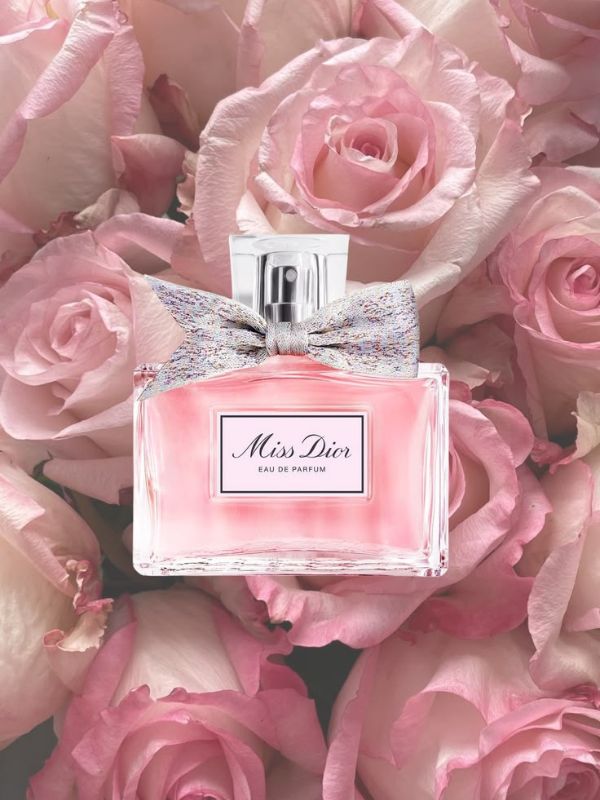
If you love the smell of fresh flowers, a beautiful bouquet, or the soft floral scent that fills a room when someone brings home roses, the floral fragrance family may be one of your favorites.
Floral perfumes are inspired by the scents of flowers. Depending on the ingredients and composition, they can smell delicate, fresh, powdery, creamy, lush, or intensely romantic.
Some floral fragrances feel light and airy, while others are rich and dramatic. A rose perfume, for example, might smell fresh and dewy, or it might have a deep, velvety quality. Jasmine can feel soft and elegant in one fragrance and bold, creamy, or sensual in another.
Signature floral notes include:
- Rose
- Jasmine
- Peony
- Gardenia
- Orange blossom
- Tuberose
- Lily of the valley
- Ylang-ylang
- Violet
One reason floral perfumes remain popular is their versatility. They can be suitable for everyday wear, professional settings, romantic occasions, and special celebrations, depending on their strength and composition.
Imagine getting ready for brunch with your friends. You’ve chosen a pretty outfit, moisturized your skin, and added a few simple accessories. You want a perfume that makes you feel polished without being too overpowering. A soft rose or peony fragrance could be exactly what you’re looking for.
On another day, you might want something more noticeable for a wedding or evening event. A richer jasmine or tuberose perfume could offer that fuller floral character.
Floral fragrances also blend beautifully with other families. A floral-fruity perfume can feel playful and youthful, while a floral-woody fragrance may feel deeper and more sophisticated. Floral-gourmand combinations can add a creamy sweetness to the romantic quality of flowers.
Who might love floral fragrances?
They’re worth exploring if you enjoy elegant, romantic, soft, or classic scents. However, don’t assume that every floral perfume smells like a traditional bouquet. Modern floral compositions can be fresh, green, musky, sweet, or even slightly spicy.
The best way to find your favorite is to sample several different floral styles rather than judging the entire family by one perfume.
2. Fruity Fragrance Family: Juicy, Playful, and Sweet
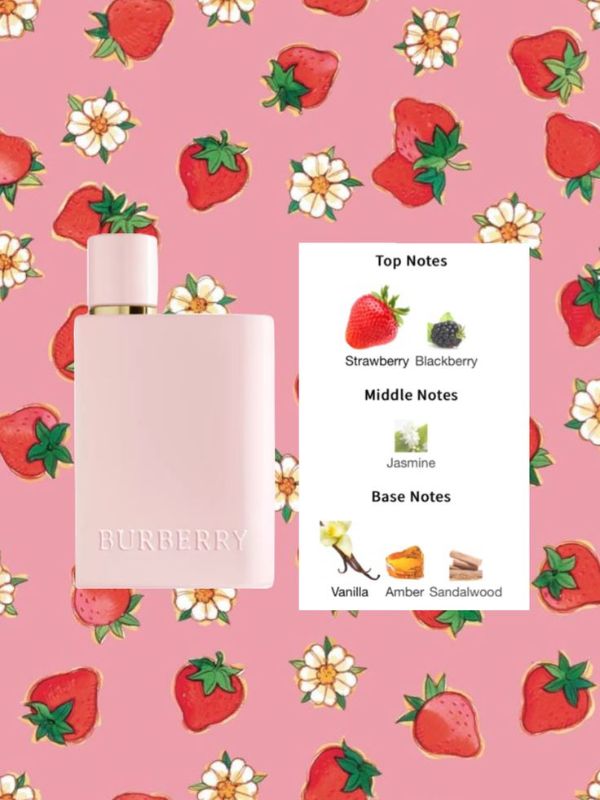
Fruity fragrances are perfect for anyone who enjoys cheerful, juicy, and sometimes deliciously sweet scents.
They often feature the smell of fruits such as pear, peach, berries, apple, or tropical fruits. Depending on the composition, these fragrances can smell fresh and sparkling, creamy and sweet, or almost candy-like.
Signature fruity notes include:
- Pear
- Peach
- Strawberry
- Raspberry
- Apple
- Blackcurrant
- Plum
- Mango
- Pineapple
- Cherry
Fruity perfumes can be especially appealing if you enjoy fragrances that feel youthful, lively, and easy to wear. They often work beautifully for casual outings, daytime activities, brunch dates, and relaxed social occasions.
Think about the feeling of getting ready for a fun afternoon. You’re wearing a comfortable outfit, your favorite lip gloss, and a fragrance that smells like juicy berries with a soft floral finish. It feels cheerful without requiring much effort.
That is the appeal of many fruity perfumes. They can bring a playful quality to your fragrance collection and pair beautifully with other scent families.
Fruity-floral perfumes are especially common. They combine juicy fruit notes with flowers such as rose, jasmine, or peony, creating fragrances that feel sweet but still elegant.
Fruity-gourmand combinations, on the other hand, may feature berries with vanilla, caramel, or creamy notes. These fragrances can feel richer and more dessert-like.
It’s worth remembering that fruity doesn’t automatically mean sugary. A pear note can smell crisp and fresh, while a ripe plum note may feel dark and rich. The surrounding ingredients make a significant difference.
Who might love fruity fragrances?
Try them if you enjoy sweet, playful, bright, or inviting scents. They’re also a good starting point if you’re exploring perfumes and aren’t yet sure whether you prefer florals, gourmands, or something in between.
If you find very sweet fragrances overwhelming, look for fruity perfumes balanced with citrus, green notes, musk, or woods.
3. Citrus Fragrance Family: Bright, Fresh, and Energizing

Citrus fragrances are associated with the bright, zesty smells of citrus fruits. They’re often refreshing and lively, making them appealing to people who enjoy clean, uplifting scents.
Signature citrus notes include:
- Lemon
- Bergamot
- Mandarin
- Sweet orange
- Grapefruit
- Lime
- Yuzu
Citrus notes are commonly used at the opening of a perfume because they can create an immediate impression of freshness. However, some fragrances are built around citrus from beginning to end.
Imagine taking a shower in the morning, putting on fresh clothes, and opening your curtains to let the sunlight into your room. You want to smell clean and refreshed as you begin the day. A citrus fragrance can complement that feeling beautifully.
Citrus perfumes are often suitable for work, school, errands, casual outings, and warm-weather days. They can also be layered with other fragrances to create a more personalized scent.
For instance, bergamot paired with floral notes can feel elegant and airy. Citrus combined with musk may smell clean and understated, while citrus with woods can create a more structured, sophisticated fragrance.
If you live in a warm climate, citrus fragrances are certainly worth exploring. Their bright character can feel refreshing in the heat, although how comfortable a perfume feels will depend on its complete composition and how much you apply.
One thing to keep in mind is that some citrus-forward perfumes may seem to fade more quickly than richer fragrances. This isn’t a universal rule, but bright citrus notes are often more noticeable at the beginning of a fragrance’s development.
If longevity is important to you, test the entire perfume rather than judging it by the first few minutes. A citrus fragrance may settle into a longer-lasting woody or musky base.
Who might love citrus fragrances?
They’re a good option if you enjoy bright, crisp, refreshing scents and prefer something that doesn’t feel too heavy or sweet.
4. Green Fragrance Family: Natural, Crisp, and Earthy

Green fragrances capture the smell of leafy plants, freshly cut grass, herbs, and other green or botanical elements.
They can smell crisp and sharp, soft and leafy, earthy, or slightly bitter. Unlike sweet fruity perfumes, green fragrances often have a natural quality that reminds you of being outdoors.
Signature green notes and accords include:
- Fig leaf
- Galbanum
- Green tea
- Fresh grass accords
- Violet leaf
- Tomato leaf
- Green stems
- Leafy botanical accords
Picture yourself walking through a garden after a light rain. The leaves are still damp, the air feels fresh, and everything smells clean and alive. Green fragrances aim to evoke some of those impressions.
They’re an interesting choice for someone who enjoys understated scents and wants something different from the usual sweet vanilla or fruity perfume.
Green notes also work well with other families. A green-floral fragrance may combine leafy freshness with roses or other flowers. Green-citrus compositions can feel bright and refreshing, while green-woody perfumes may have an earthy, grounded character.
Some green fragrances are elegant and polished, while others smell deliberately raw or outdoorsy. If you’re new to this family, try a few different styles before deciding whether you prefer leafy, herbal, or tea-like scents.
Who might love green fragrances?
Consider them if you enjoy natural smells, fresh leaves, herbal gardens, or fragrances that feel crisp rather than sugary. They can also be appealing if you want a scent that feels distinctive without necessarily being loud.
5. Aromatic Fragrance Family: Herbal, Clean, and Composed
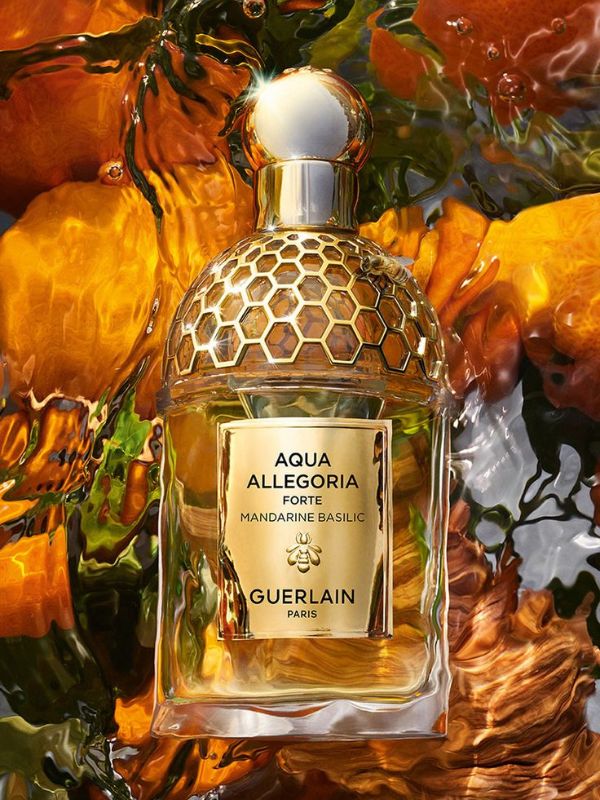
Aromatic fragrances feature herbs and other fragrant botanical ingredients. They often have a fresh, herbal, crisp, or slightly cooling character.
Signature aromatic notes include:
- Lavender
- Rosemary
- Sage
- Mint
- Basil
- Thyme
- Aromatic herbs
Lavender is especially interesting because it can smell clean and relaxing in one fragrance, while pairing with woods or spices can give it a more structured character.
Imagine choosing a perfume before a busy day. You want something that feels fresh and composed rather than overly sweet. An aromatic fragrance with lavender, rosemary, or sage may provide that effect.
Aromatic notes are also frequently used in fougère fragrances. The fougère family traditionally combines aromatic elements, often including lavender, with woody and mossy accords. Although fougère perfumes are often associated with classic masculine perfumery, anyone can enjoy them.
Aromatic fragrances can also blend with citrus, woods, spices, and florals. Citrus-aromatic perfumes tend to feel bright and fresh, while aromatic-woody compositions can feel more grounded and sophisticated.
Who might love aromatic fragrances?
They’re worth trying if you enjoy herbal scents, fresh-smelling perfumes, and fragrances that feel crisp, clean, or confidently understated.
If you prefer sweet, creamy scents, an aromatic fragrance may initially feel different from your usual favorites. That doesn’t mean it isn’t worth exploring. You might discover that a soft aromatic perfume is perfect for days when you want something lighter.
6. Gourmand Fragrance Family: Sweet, Creamy, and Comforting
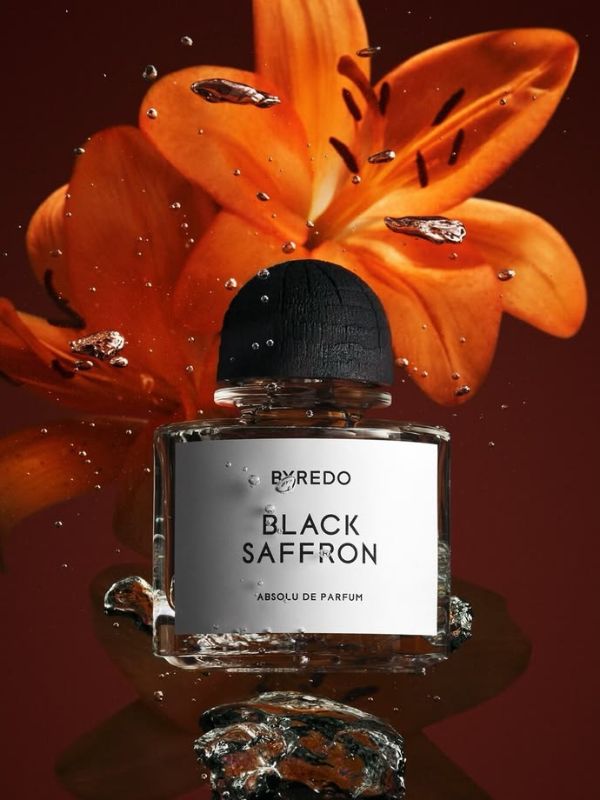
If you’ve ever smelled a perfume and thought it reminded you of vanilla cake, caramel, warm cookies, or a delicious dessert, you may have encountered a gourmand fragrance.
Gourmand perfumes feature notes that evoke edible treats and comforting flavors. Some are rich and sugary, while others are creamy, nutty, warm, or softly sweet.
Signature gourmand notes include:
- Vanilla
- Caramel
- Praline
- Chocolate
- Tonka bean
- Honey
- Coffee
- Almond
- Marshmallow
- Sweet milk or creamy accords
Gourmand fragrances are popular with people who enjoy cozy, inviting, and sweet scents. However, not every gourmand perfume smells like a bakery. Some combine vanilla with woods, musk, spices, or florals to create a more balanced fragrance.
Imagine getting ready for a dinner date. You’ve chosen a simple outfit, applied your body lotion, and want a fragrance that feels warm and memorable. A vanilla-based perfume with a hint of amber or musk might give you that cozy, enveloping feeling.
On another day, you might prefer a lighter gourmand fragrance with pear and vanilla or a soft caramel note balanced by florals.
The beauty of gourmand perfumes is that they can feel comforting and playful at the same time. Some are light enough for everyday wear, while others are richer and may suit cooler weather or evening occasions.
If you find very sweet fragrances overwhelming, look for gourmand perfumes that include woody, green, citrus, or musky elements. These can soften the sweetness and give the fragrance more depth.
Who might love gourmand fragrances?
They’re a good choice if you enjoy vanilla, sweet treats, creamy scents, or perfumes that feel warm and inviting.
If you’re building a fragrance wardrobe, a gourmand perfume can offer a different mood from a fresh citrus or light floral fragrance.
7. Woody Fragrance Family: Warm, Earthy, and Sophisticated
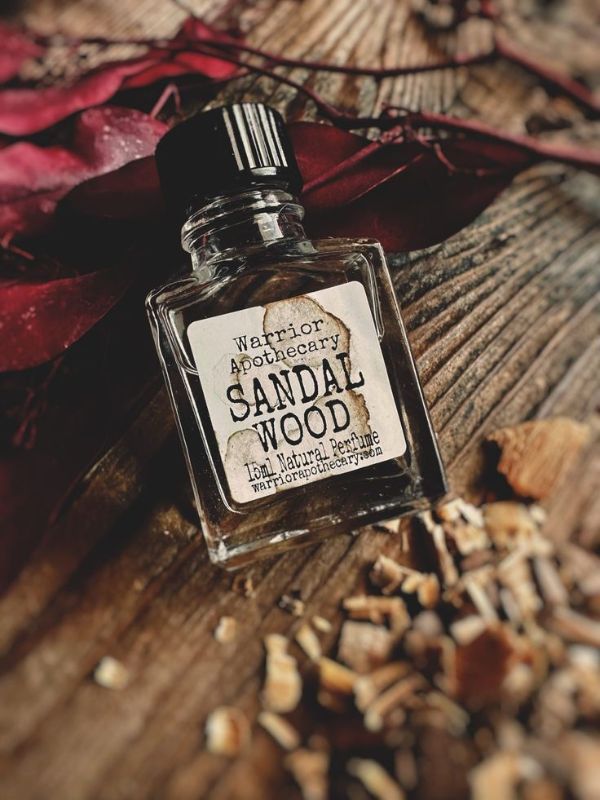
Woody fragrances are built around notes and accords that evoke wood, roots, bark, and other earthy materials. Depending on the composition, they can feel dry, creamy, smoky, smooth, or rich.
Signature woody notes include:
- Sandalwood
- Cedarwood
- Vetiver
- Patchouli
- Oud
- Cashmere wood accords
- Guaiac wood
Sandalwood is often associated with a smooth, creamy character, while cedarwood can smell dry and crisp. Vetiver may have earthy, grassy, or smoky qualities, and oud can add a rich, complex depth to a fragrance.
Woody perfumes are worth exploring if you want something that feels grounded and distinctive. They can be soft and intimate or bold and noticeable, depending on the other notes and the perfume’s concentration.
Think of a fragrance you might wear with a tailored outfit, elegant heels, or a simple black dress. You want a scent that feels polished and confident without relying on obvious sweetness. A woody fragrance could be a lovely fit.
But woody perfumes aren’t reserved for formal occasions. A soft sandalwood fragrance can be beautiful for everyday wear, especially when blended with musk, vanilla, or gentle florals.
Woody-floral perfumes can balance the softness of flowers with the depth of woods. Woody-gourmand perfumes can make vanilla feel warmer and less sugary, while woody-citrus compositions may create a fresh opening with a deeper finish.
Who might love woody fragrances?
Try them if you enjoy earthy, warm, smooth, or sophisticated scents. They’re also worth considering if you find very sweet perfumes too sugary and want something with a little more depth.
8. Spicy Fragrance Family: Warm, Bold, and Intriguing

Spicy fragrances feature ingredients that evoke the warmth or sharpness of spices. Some are dry and peppery, others are warm and cozy, and some have a rich, exotic character.
Signature spicy notes include:
- Cinnamon
- Cardamom
- Clove
- Pink pepper
- Black pepper
- Saffron
- Nutmeg
- Ginger
Spices can add personality to a perfume without necessarily making it smell like food. Pink pepper, for example, can create a bright, sparkling effect, while cardamom may feel aromatic and warm. Cinnamon and clove can give some fragrances a cozy character.
Imagine getting ready for an evening event. Your outfit is simple, your makeup is finished, and you want a fragrance that feels a little more dramatic than your everyday perfume. A spicy fragrance with woods or amber-like accords could be a lovely option.
Spicy perfumes also blend beautifully with floral and gourmand notes. A rose fragrance with saffron may feel rich and distinctive, while vanilla with cardamom can create a warm, creamy composition.
Some spicy perfumes are subtle enough for everyday wear, while others have a more intense character that may suit evenings and special occasions.
Who might love spicy fragrances?
Explore them if you enjoy warm, complex, bold, or intriguing scents. If you prefer something light and fresh, try a fragrance that combines a small amount of spice with citrus, musk, or soft florals.
9. Aquatic and Marine Fragrance Family: Airy, Breezy, and Refreshing

Aquatic and marine fragrances evoke water, sea air, cool breezes, and other fresh, airy sensations.
Rather than smelling like a literal glass of water, these perfumes use fragrance ingredients and accords to create an impression of freshness, moisture, or a breezy coastal atmosphere.
Signature aquatic and marine notes include:
- Marine accords
- Sea-salt accords
- Watery accords
- Ozonic accords
- Fresh mineral accords
- Some citrus and green notes
Imagine spending a day near the coast. The air feels breezy, the surroundings are bright, and you want a perfume that feels fresh instead of heavy. An aquatic fragrance can capture some of that atmosphere.
These scents are often popular for daytime wear, casual outings, travel, and warm-weather settings. They can be especially appealing to people who don’t enjoy strong sweetness.
Aquatic perfumes also vary quite a bit. Some smell crisp and almost mineral-like, while others combine watery notes with citrus, florals, or musk. A marine-woody perfume, for example, may have a fresh opening that settles into a deeper base.
Who might love aquatic fragrances?
They’re worth trying if you enjoy breezy, fresh, clean-smelling perfumes or want a change from sweet and warm fragrances.
If you want a scent that feels refreshing without smelling strongly of citrus, an aquatic perfume may be a good option.
10. Musk and Powdery Fragrances: Soft, Clean, and Intimate
Musk and powdery fragrances deserve attention if you prefer subtle, soft, or close-to-the-skin scents.
Although musk and powdery notes aren’t always classified as one fragrance family, they often appeal to people who enjoy delicate, comforting, and understated perfumes.
Musk notes can create a soft, clean, sensual, or skin-like impression. Powdery notes may evoke face powder, soft cosmetics, or the delicate smell of certain flowers and cosmetic ingredients.
Signature musk and powdery notes include:
- White musk accords
- Clean musk accords
- Iris
- Orris
- Violet
- Heliotrope
- Soft cosmetic accords
Imagine hugging someone who smells beautifully clean and soft. Their fragrance isn’t overwhelming, but when you’re close, you notice a gentle scent that feels comforting and elegant.
That’s the kind of impression some musky fragrances aim to create.
Musk can also appear in many other fragrance families. A floral perfume with musk may feel softer and more intimate, while a fruity-musk perfume may smell fresh and playful. Vanilla and musk can create a warm, cozy scent that feels understated rather than sugary.
Powdery fragrances are equally varied. Iris may lend an elegant, cosmetic-like character to a perfume, while violet can add a soft floral impression.
Who might love musk and powdery fragrances?
Try them if you prefer subtle, clean, soft, or intimate scents. They can be lovely for everyday wear, professional settings, or situations where you want a perfume that feels personal rather than overpowering.
One thing to remember is that a soft-smelling perfume isn’t necessarily weak, and a strong-smelling perfume isn’t automatically long-lasting. The scent’s projection and longevity depend on its overall formula, concentration, application, and your skin.
Fragrance Families Chart: A Quick Guide to Signature Scents
With so many fragrance families to explore, it helps to have a simple reference chart. You can use the table below when shopping for perfume or trying to identify the scent styles you enjoy most.
| Fragrance family | Signature scent notes | Overall scent character | A good starting point if you want… |
|---|---|---|---|
| Floral | Rose, jasmine, peony | Romantic, elegant, soft or rich | A classic feminine scent |
| Fruity | Pear, peach, raspberry | Juicy, playful, sweet or fresh | A cheerful everyday perfume |
| Citrus | Lemon, bergamot, mandarin | Bright, zesty, refreshing | An uplifting fresh scent |
| Green | Fig leaf, grass, galbanum | Leafy, crisp, earthy | A natural, understated scent |
| Aromatic | Lavender, sage, rosemary | Herbal, clean, composed | A fresh, structured fragrance |
| Gourmand | Vanilla, caramel, praline | Sweet, creamy, comforting | A cozy, delicious-smelling perfume |
| Woody | Sandalwood, cedarwood, vetiver | Earthy, smooth, warm | A grounded, sophisticated scent |
| Spicy | Cardamom, cinnamon, saffron | Warm, bold, intriguing | A fragrance with personality |
| Aquatic and marine | Marine, watery, ozonic accords | Airy, breezy, refreshing | A light, coastal impression |
| Musk and powdery | White musk, iris, violet | Soft, intimate, clean or powdery | A subtle, skin-like scent |
Keep in mind that this chart describes common characteristics rather than guarantees. Two perfumes within the same fragrance family can smell completely different because of their ingredients, proportions, and supporting notes.
Which Fragrance Families Can You Combine?
Some of the most interesting perfumes blend several families together. If you already know the scents you enjoy, these combinations can help you discover something new.
| Combination | What it can smell like |
|---|---|
| Floral + fruity | Romantic, juicy, playful |
| Floral + woody | Elegant, warm, sophisticated |
| Floral + musk | Soft, delicate, intimate |
| Citrus + aromatic | Bright, herbal, refreshing |
| Citrus + woody | Fresh with a deeper finish |
| Fruity + gourmand | Sweet, creamy, delicious |
| Vanilla + woody | Warm, smooth, comforting |
| Woody + spicy | Rich, earthy, intriguing |
| Aquatic + citrus | Breezy, bright, refreshing |
| Musk + vanilla | Soft, cozy, subtly sweet |
If you’re unsure where to begin, choose two combinations that appeal to you and sample perfumes that feature those characteristics.
For example, if you love roses but find traditional floral fragrances a little too formal, a fruity-floral perfume might feel more playful. If you enjoy vanilla but want something less sweet, a woody-vanilla fragrance could offer the warmth you like with a more grounded finish.
How to Identify Your Favorite Fragrance Families
Knowing the different fragrance families is one thing. Figuring out which ones you actually enjoy wearing is another.
You might assume that you love fruity perfumes because you enjoy the smell of fresh strawberries, only to discover that fruity fragrances on your skin feel too sweet. Or perhaps you’ve always avoided woody perfumes because you thought they would smell too strong, but a soft sandalwood fragrance turns out to be your favorite.
The easiest way to discover your preferences is to pay attention to your everyday scent experiences.
1. Think About the Smells You Already Love
Start with the scents that make you happy outside the perfume world.
Do you love the smell of fresh flowers? Do vanilla desserts make you smile? Do you prefer the scent of freshly washed clothes, citrus fruits, or leafy gardens?
Your favorite everyday smells can provide clues about the fragrance families you may enjoy exploring.
This doesn’t mean that loving vanilla cake automatically means you’ll love every gourmand perfume. Perfume compositions are more complex than individual smells. However, your preferences can be a useful starting point.
2. Remember the Perfumes You Keep Reaching For
Take a look at the perfumes you already own, even if you only have two or three.
Which ones do you finish first? Which do you reach for when you’re in a hurry? Which ones make you feel most confident?
Look up their scent notes and see whether you notice a pattern. Perhaps your favorites all contain musk, vanilla, rose, or citrus.
You may discover that you consistently prefer one family or that you enjoy a particular combination, such as floral-musk or fruity-gourmand.
3. Sample Perfumes on Your Skin
A perfume strip can help you get an initial impression of a fragrance, but testing on your skin gives you a better idea of how the perfume develops when you wear it.
Apply a small amount to your skin and allow the fragrance to settle. Notice how it smells at first, then check again after some time has passed.
You don’t need to rush the decision. A fragrance that seems sharp at first might become soft and beautiful later, while a sweet opening might develop into a deeper woody or musky scent.
Try not to test too many perfumes at once, either. When your nose is overwhelmed by different smells, it becomes harder to distinguish one fragrance from another.
4. Choose Scents That Suit Your Lifestyle
Think about when and where you’ll wear the perfume.
If you want something for daily errands, you might prefer a light citrus, green, or floral scent. If you’re looking for a fragrance for evening events, you may want to explore woody, spicy, or gourmand compositions.
However, these are suggestions, not rules. You can wear vanilla to work, citrus to a wedding, or a woody perfume on a casual afternoon.
The best fragrance is one that feels right for you and the setting.
5. Give Yourself Permission to Change Your Mind
Your fragrance preferences may change with your mood, experiences, or the types of scents you discover.
You might love sweet fruity perfumes today and become more interested in woody or musky scents next year. That’s perfectly normal.
You don’t need to commit to a single fragrance family forever. Think of your perfume collection as a small wardrobe of scents you can enjoy in different ways.
How Fragrance Families Connect With Perfume Notes
If you’ve ever read a perfume description, you’ve probably seen a list of top notes, heart notes, and base notes.
These terms describe the different stages of a fragrance’s development. Understanding them can help you appreciate why a perfume may smell different immediately after spraying it compared with several hours later.
Top Notes: Your First Impression
Top notes are the scents you often notice immediately after applying a perfume. They’re responsible for much of the fragrance’s opening impression.
Common top notes include citrus fruits, some fresh aromatic notes, and certain fruity accords.
For example, a perfume may open with lemon and bergamot, giving it a bright, sparkling character. These notes may be especially noticeable during the first few minutes.
However, the top notes don’t necessarily tell you everything about the perfume. It’s worth giving the fragrance time to develop before deciding whether you like it.
Middle Notes: The Heart of the Fragrance
Middle notes, often called heart notes, become more noticeable as the initial opening settles.
These can include flowers, fruits, spices, and many other ingredients.
Imagine a perfume that begins with bergamot and gradually reveals rose and jasmine. As the fragrance develops, the floral heart may become more prominent, changing the overall impression from fresh and sparkling to romantic and elegant.
The heart of a fragrance often plays an important role in how we describe its character.
Base Notes: The Deeper, Longer-Lasting Impression
Base notes contribute depth and help shape the fragrance as it settles on the skin.
Common examples include woody notes, vanilla, musk accords, and amber-like accords.
A perfume might begin with citrus, develop into a floral heart, and eventually reveal a warm, musky finish. The overall fragrance could feel fresh at first and softer or warmer later.
Base notes are often associated with the longer-lasting impression of a perfume, although actual longevity depends on the complete formula and other factors.
Can One Perfume Belong to Several Fragrance Families?
Absolutely.
A perfume can have citrus top notes, a floral heart, and a woody base without fitting neatly into just one category.
Fragrance families describe the overall character of a perfume, while fragrance notes describe the elements that help create that character.
Think of it like preparing a meal. You might use fruit, herbs, spices, and creamy ingredients in one dish, but the final taste depends on how everything is combined. Perfume works in a similar way.
This is also why two perfumes that share a vanilla note can smell very different. One may be a sweet gourmand fragrance, while another uses vanilla to soften a woody or floral composition.
Choosing Fragrance Families for Different Occasions
One of the enjoyable things about perfume is that you can use different scents to complement different moments in your life.
You can make your morning routine just as simple by following this beginner-friendly skincare routine before applying your favorite fragrance.
You don’t need a separate fragrance for every event, but having a few options can make getting ready feel more personal.
For Work, School, or Everyday Activities
If you want a fragrance for daily wear, consider citrus, soft floral, green, aromatic, or musky scents.
These families include many perfumes that feel fresh, clean, and easy to wear. However, fragrance strength varies, so choose a perfume that feels comfortable in your environment.
Imagine getting ready for a busy morning. You have errands to run, messages to answer, and a long list of things to do. A refreshing citrus or soft musk fragrance may be a lovely finishing touch.
You don’t need a complicated routine. Sometimes, a few sprays of a perfume you enjoy are enough to make your morning feel a little more special.
For Brunch and Lunch Dates
Fruity, floral, and fruity-floral perfumes can be lovely options for daytime social occasions.
They offer a range of personalities, from juicy and playful to soft and romantic.
Perhaps you’re meeting your friends for brunch. You want to smell pretty and feel confident, but you don’t necessarily want a heavy fragrance. A light fruity-floral perfume could be a good match.
If you prefer something more understated, try a soft floral or citrus fragrance instead.
For Romantic Evenings
Gourmand, woody, spicy, floral, and amber-like fragrances can be beautiful choices for an evening out.
Vanilla and musk may feel warm and intimate, while rose and woods can create a more sophisticated impression. Spicy notes can also add depth and personality.
Imagine preparing for a dinner date. You have your outfit ready, your favorite accessories laid out, and just enough time to finish getting dressed. You reach for a perfume that makes you feel attractive and confident.
Whether that perfume is a creamy vanilla, a deep floral, or a smooth woody scent is entirely up to you.
The goal isn’t to wear what someone else says is irresistible. It’s to choose a fragrance that makes you feel comfortable and good about yourself.
For Weddings and Special Celebrations
Floral, woody-floral, and rich gourmand fragrances may appeal to people looking for something memorable for a special event.
A rose fragrance might feel timeless and romantic, while a richer floral composition can feel more dramatic. Woody notes may add depth, and a gentle vanilla base can create a creamy finish.
For a wedding, celebration, or formal dinner, consider the setting and how strongly you want your fragrance to project.
You can enjoy a beautiful perfume without applying so much that it overwhelms the people around you.
For Warm Weather
In warm weather, you may enjoy citrus, green, aquatic, or lighter floral fragrances.
These scent styles can feel refreshing, particularly when you prefer something that isn’t too heavy or sweet.
If you’re in a hot climate, experiment with different fragrances in the conditions in which you’ll actually wear them. Heat can affect how quickly some perfume ingredients evaporate and how noticeable a fragrance becomes.
You may discover that a perfume feels light and subtle in an air-conditioned room but much more intense outdoors.
That doesn’t mean you need to avoid rich fragrances in warm weather. It simply means that application and personal comfort matter.
For Relaxed Evenings at Home
Musk, woody, and soft gourmand fragrances can be lovely for quieter moments.
Perhaps you’ve finished your responsibilities for the day, taken a shower, moisturized your skin, and changed into comfortable clothes. You want a scent that feels cozy without being too formal.
A soft vanilla-musk perfume or a creamy sandalwood fragrance may suit that mood.
These fragrances can also be enjoyable when you’re spending time alone and simply want to do something that makes you feel good.
Perfume doesn’t have to be reserved for special occasions. You can wear a beautiful scent just because you enjoy it.
Can You Mix Different Fragrance Families?
Yes! Combining fragrances, often called fragrance layering, can help you create a scent that feels more personal.
The idea is simple: wear two compatible fragrances together and see how they interact.
You don’t need a large perfume collection to experiment. Even two fragrances can offer several possibilities, provided their compositions work well together.
Start With Familiar Combinations
If you’re new to layering, begin with combinations that share a few characteristics.
Floral and vanilla: A floral perfume paired with a vanilla fragrance can create a softer, creamier impression. This may work particularly well if you enjoy romantic scents but want a little extra warmth.
Citrus and musk: A bright citrus fragrance combined with a soft musk perfume may create a clean, fresh impression. This can be a good starting point for everyday wear.
Fruity and woody: A juicy fruity fragrance paired with a woody scent can balance sweetness with a deeper character.
Vanilla and woods: Vanilla combined with sandalwood or another woody fragrance may feel warm and smooth rather than overly sugary.
Floral and fruity: These families often blend naturally, creating scents that feel cheerful, romantic, and easy to wear.
These are starting points, not guaranteed combinations. Two perfumes can interact in unexpected ways, so testing is important.
How to Layer Perfumes Without Overdoing It
Start by applying a small amount of one fragrance and allowing it to settle. Add a little of the second fragrance to a separate area of skin, or test the combination on paper strips before wearing both together.
This makes it easier to understand what each perfume contributes.
You can also begin with a scented body lotion and a perfume, provided the products work well together and don’t irritate your skin.
Avoid layering several strong fragrances at once when you’re first experimenting. You may find that one perfume is already complex enough on its own.
Most importantly, remember that fragrance layering should be enjoyable. You don’t need to follow complicated rules or create a unique combination every day.
If you find a combination you love, that’s reason enough to wear it.
Common Mistakes to Avoid When Choosing Between Fragrance Families
Even when you understand fragrance families, it’s easy to make mistakes when shopping for perfume. Here are a few things to keep in mind.
1. Buying a Perfume Only Because It Smells Good on Someone Else
This is one of the most relatable perfume-shopping mistakes.
You smell a fragrance on a friend, fall in love with it, and immediately want the same one. But when you try it yourself, the experience is different.
Skin chemistry, application, temperature, and individual perception can all influence how a fragrance is experienced. The perfume may also have developed on your friend’s skin before you smelled it.
Instead of buying a full bottle immediately, try a sample and wear it for a few hours.
You might end up loving it, or you might discover another fragrance that suits you even better.
2. Judging a Perfume Too Quickly
A perfume’s first impression isn’t always its final character.
A bright citrus opening may develop into a soft floral fragrance, while a sweet opening may settle into a warm, woody base.
Give a perfume time to develop before deciding whether it’s right for you.
You don’t have to love every stage of a fragrance, but understanding how it changes can help you make a more informed choice.
3. Assuming Every Perfume in a Family Smells the Same
Two floral perfumes can smell completely different. One may be a fresh rose fragrance, while another features creamy white flowers and a warm woody base.
The same is true of gourmand, fruity, woody, and other families.
Use fragrance families as a guide, not a guarantee. Read the notes, sample the perfume, and pay attention to the overall composition.
4. Buying a Full Bottle Before Testing It Properly
A beautiful bottle and an appealing description can make a perfume tempting, especially when you’ve seen it recommended online.
However, a fragrance that sounds perfect on paper may not be one you enjoy wearing.
Whenever possible, try a sample before investing in a full-size bottle. Wear it on a normal day and see how it develops.
Consider whether you still enjoy the scent after several hours and whether you would genuinely reach for it often.
5. Choosing a Perfume Only Because It’s Trending
Popular perfumes can be wonderful, but popularity doesn’t automatically make a fragrance right for you.
You might prefer soft musks while a particular gourmand perfume is trending everywhere. Or you may love citrus fragrances even when social media is full of recommendations for rich vanilla scents.
You don’t need to change your preferences to keep up with trends.
Explore popular fragrances if you’re curious, but let your own experience guide the final decision.
6. Confusing Longevity With Fragrance Family
Some people assume woody or gourmand perfumes always last longer than citrus or floral perfumes. Although certain woody and sweet compositions can have impressive longevity, the fragrance family alone doesn’t determine how long a perfume lasts.
Longevity depends on the specific formula, concentration, ingredients, application, and individual skin.
If a long-lasting perfume is important to you, test it and check how it performs throughout your day.
7. Applying Too Much Perfume
More perfume doesn’t always mean a better fragrance experience.
A scent that feels soft to you may be much stronger to someone standing nearby. This is especially important in offices, classrooms, public transport, and other shared spaces.
Start with a modest amount and adjust based on the fragrance and setting.
You want your perfume to complement your presence, not overwhelm the room.
How to Find Your Signature Scent With Fragrance Families
By now, you may already have an idea of which fragrance families appeal to you. The next step is to turn that knowledge into a practical perfume-shopping plan.
You don’t need to purchase ten different fragrances at once. Start small and pay attention to what you genuinely enjoy.
Step 1: Choose Two or Three Fragrance Families
Look back at the perfume chart and select the families that sound most appealing.
Perhaps you’re drawn to floral, fruity, and gourmand fragrances. Or maybe you prefer citrus, green, and musk.
Choosing a few starting points makes it easier to explore without feeling overwhelmed.
Step 2: Test Different Styles Within Each Family
Don’t stop after trying one perfume from a particular family.
If you want to explore floral fragrances, sample a fresh rose perfume, a creamy jasmine fragrance, and a softer floral-musk composition.
If you’re interested in gourmands, compare a sweet caramel perfume with a vanilla-woody fragrance.
This will help you understand the variety within each family and identify the characteristics you prefer.
Step 3: Wear the Perfume for Several Hours
Try your fragrance on a normal day rather than testing it only during a quick shopping trip.
Notice how it smells immediately after application, after an hour, and later in the day.
Ask yourself whether you enjoy the fragrance throughout its development. Does it become too sweet? Does the opening fade into a base you love? Is it comfortable to wear?
These observations can help you choose a perfume that suits your real life.
Step 4: Consider Your Budget and Lifestyle
Your signature scent should fit your budget and the way you live.
You don’t need an expensive designer fragrance to smell beautiful. Many different price ranges offer interesting compositions, and the best option is one you enjoy and can comfortably afford.
Think about how frequently you’ll wear the perfume, how much you need to apply, and whether it works for your usual activities.
A versatile everyday fragrance may be more useful to you than a very expensive perfume you only feel comfortable wearing once or twice a year.
Step 5: Pay Attention to How You Feel Wearing It
This is the part that matters most.
When you wear the perfume, do you feel confident? Does it suit your personality? Do you enjoy smelling it throughout the day?
You don’t need to choose a fragrance because someone else compliments it, although compliments can certainly be lovely.
The right scent for you is one you genuinely enjoy wearing.
Step 6: Build a Small Fragrance Wardrobe
If you enjoy having different options, you can build a small fragrance wardrobe around different moods and occasions.
For example, you might choose:
- An everyday fragrance: A fresh citrus, soft floral, or musk scent.
- A playful fragrance: A fruity or fruity-floral perfume.
- An evening fragrance: A woody, spicy, or gourmand scent.
- A cozy fragrance: A soft vanilla, musk, or sandalwood perfume.
These categories are flexible. You might prefer a floral perfume for evenings and a woody scent for work.
The goal isn’t to follow a prescribed collection. It’s to have a few fragrances that you love and can enjoy in different situations.
Frequently Asked Questions About Fragrance Families
What Are the Main Fragrance Families?
Common fragrance families include floral, fruity, citrus, green, aromatic, gourmand, woody, spicy, and aquatic or marine fragrances. Musk and powdery scents are also useful categories when describing perfumes, although they aren’t always classified as standalone families in every system.
Each family has different scent characteristics, and many perfumes combine multiple families.
Which Fragrance Family Smells the Sweetest?
Gourmand and many fruity fragrances are often perceived as sweet. Gourmand perfumes may feature vanilla, caramel, praline, or chocolate, while fruity fragrances may include berries, peach, pear, or other fruit notes.
However, sweetness depends on the complete composition. Some gourmands are subtle and creamy, while some fruity perfumes are fresh rather than sugary.
Which Fragrance Family Is Best for Everyday Wear?
Citrus, green, soft floral, aromatic, aquatic, and musk fragrances can all be good everyday options.
The best choice depends on your preferences, the strength of the perfume, and where you plan to wear it. If you work in a shared environment, you may prefer a fragrance with moderate projection.
Which Fragrance Family Is Best for a Feminine Perfume?
Floral, fruity-floral, gourmand, and soft musky fragrances are popular choices for people who enjoy traditionally feminine scent styles.
However, fragrance preferences aren’t limited by gender. Anyone can enjoy floral, woody, citrus, spicy, or gourmand perfumes.
Choose the scents that make you feel comfortable and confident rather than limiting yourself to a particular label.
Can a Perfume Belong to More Than One Fragrance Family?
Yes. Many perfumes blend several families to create a more complex scent.
For example, a perfume might combine fruity notes with flowers and a woody base. Another may pair vanilla with musk and spices.
The fragrance family usually reflects the overall character of the perfume rather than every individual ingredient.
What Is the Difference Between Fragrance Families and Fragrance Notes?
Fragrance families describe the broader scent character of a perfume, such as floral, woody, or gourmand.
Fragrance notes describe the individual ingredients or scent impressions used to create it, such as rose, bergamot, sandalwood, or vanilla.
A perfume can contain notes from several families while still having one dominant overall character.
Do Fragrance Families Affect How Long a Perfume Lasts?
Not directly. Longevity depends on the perfume’s formula, concentration, ingredients, application, and how it develops on your skin.
Some woody and gourmand perfumes last for many hours, but there are also long-lasting fragrances in other families. Likewise, a perfume that smells strong at first may not necessarily last the longest.
Test fragrances yourself if longevity is an important consideration.
Can I Wear a Fresh Fragrance in the Evening?
Absolutely. Citrus, aquatic, and green fragrances can work beautifully in the evening if you enjoy them.
You might prefer a rich, warm fragrance for a formal dinner, but there is no rule that says fresh scents are only for daytime.
Wear the perfume that suits your mood and the occasion.
How Many Fragrance Families Should I Explore First?
Start with two or three families that appeal to you. This gives you enough variety to compare different scent styles without overwhelming your senses.
Once you understand your preferences, you can explore combinations and families that you might not have considered before.
Conclusion: Your Signature Scent Should Feel Like You
Discovering your favorite perfume can be a lovely personal journey. You might begin by searching for something sweet and fruity, fall in love with a soft floral fragrance, and eventually discover that warm vanilla or creamy sandalwood feels most like you.
That’s the beauty of exploring fragrance families. They give you a helpful starting point without limiting your choices.
Understanding floral, fruity, citrus, green, aromatic, gourmand, woody, spicy, aquatic, and musky scent styles can make perfume shopping feel less confusing. Instead of choosing a fragrance simply because it’s popular or smells wonderful on someone else, you can explore the notes and combinations that genuinely appeal to you.
Remember to sample perfumes on your skin, give them time to develop, and consider how they fit into your everyday life. You don’t need a huge collection or the most expensive bottle to enjoy fragrance.
Perhaps your signature scent will be a soft rose perfume that makes you feel elegant, a juicy fruity fragrance that brightens your mood, or a warm vanilla scent that feels like a comforting hug.
Whatever you choose, let it be something you love wearing.
Because at the end of the day, the best perfume isn’t necessarily the one that everyone recognizes or compliments. It’s the one that makes you smile when you catch a little hint of it throughout your day.
Now, I’d love to know: Which fragrance family sounds most like you? Are you drawn to soft florals, sweet gourmand perfumes, fresh citrus scents, or warm woody fragrances? Your answer might be the perfect place to begin your next perfume discovery.



5 Comments